Blender Jar Material: Glass, Plastic, or Stainless
Glass, plastic and stainless jars each fail in a different way. Compare weight, odors, hot liquids and BPA wording before you buy.
 By BuyOnceChoice Editorial Team
Updated November 16, 2026
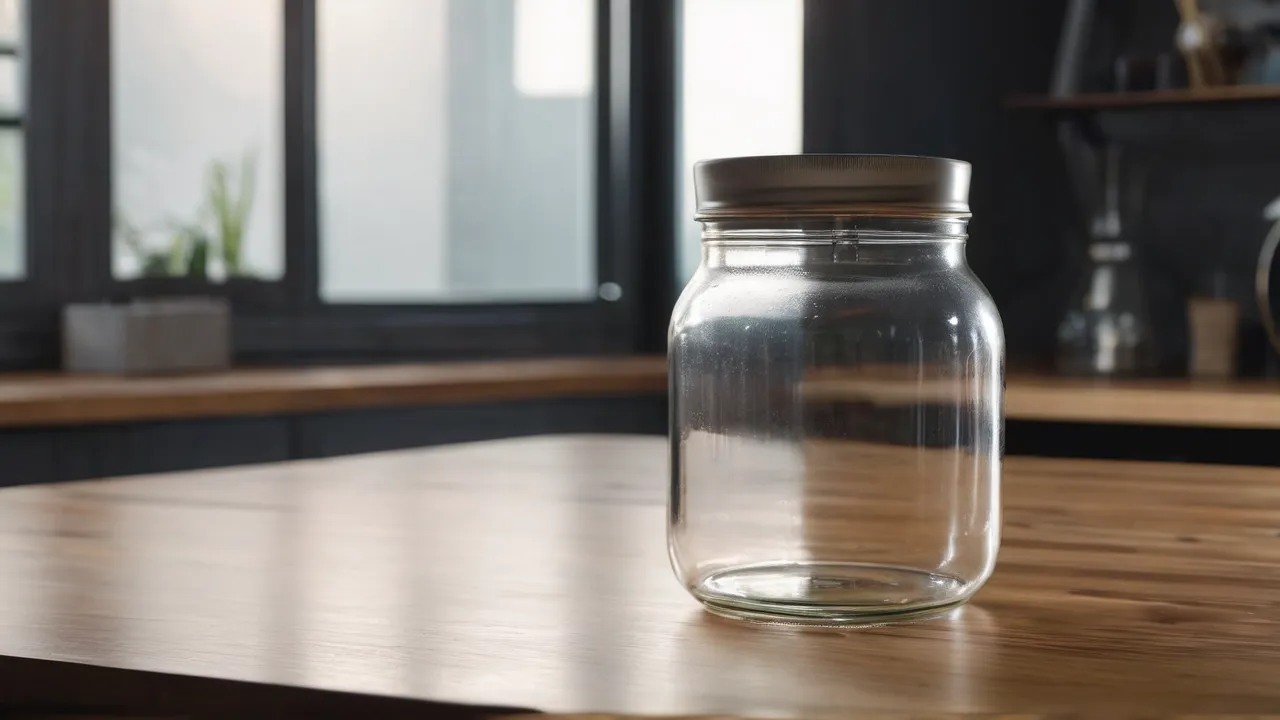
Blender jar material is a trade between weight, durability and what you blend: glass resists stains and odors but is heavy and can crack from thermal shock, plastic is light and shatter resistant but can cloud and hold odors, and stainless steel is tough and light but you cannot see the contents. Pick the jar that fits your habits, then confirm the maker’s care and temperature limits in the manual.
Glass Jars
Glass does not absorb odors or stains, so garlic, turmeric and tomato sauce rinse out easily, and it keeps a clear look for years. It is resistant to scratches from ice and fibrous ingredients compared with plastic, and many people like it for hot soups and for tasting no plastic flavor.
The downsides are weight and fragility. A glass jar with a full load is heavy to lift and pour, and a drop can break it. Glass can also crack from sudden temperature change, called thermal shock, so avoid pouring boiling liquid into a cold jar or adding ice to a very hot jar. If the maker says the jar is rated for hot liquids, follow the instructions on fill level and venting. Check for chips or cracks before each use, and stop using a jar with a crack.
Glass jars may also be paired with a lower-power blender motor, since the jar weight and design suit gentler use. If you plan to crush ice or blend frozen fruit often, check that the maker approves the jar for it.
Plastic Jars
Most blenders ship with a plastic jar, usually a rigid copolyester or similar material. It is light, cheap to replace and does not shatter into sharp pieces. It handles ice, frozen fruit and rough use well, and it is the standard for high-power blenders.
Plastic can scratch and cloud with time and with dishwasher cycles. It may hold odors or color from strong ingredients such as curry or beets, particularly in older jars. Hot liquids need care too: follow the manufacturer’s guidance on temperature limits and fill level, because heat and pressure are an issue with any jar.
Reading BPA Wording
Labels like “BPA free” mean the plastic is made without bisphenol A. That is a manufacturing claim, and it does not tell you everything about the plastic. If the topic matters to you, look for the specific plastic type on the product page or in the manual, and check whether the jar is rated for hot liquids. Do not assume that every clear plastic jar handles heat the same way. If the page says nothing about temperature, ask the maker or treat the jar as unsuitable for hot liquids.
Stainless Steel Jars
Stainless jars are durable, light and do not stain, absorb odors or shatter. They are good for people who want a rugged jar for the job site, a camper or a busy kitchen. They keep cold drinks cold for a while, and some are double walled for insulation.
The drawbacks are that you cannot see the food, so you cannot tell when it is blended, and they are often pricier. Some designs are not meant for hot liquids, particularly if the lid does not vent. They may also not fit every blender base, so check compatibility. If you want to see the contents, a stainless jar will frustrate you.
Which Jar for Which Use
- Smoothies and frozen fruit: plastic, for its toughness and light weight, or a stainless jar approved for ice.
- Hot soups: a jar the maker rates for hot liquids, vented, and filled below the limit. Glass is a common choice if the maker allows it.
- Nut butters and thick mixtures: a jar built for high-power use, and a maker that lists the use in the manual.
- Baby food and small batches: a smaller jar, glass or plastic, easy to clean.
- Shared or travel use: stainless or plastic for durability.
- Strong flavors and odors: glass or stainless, which resist absorbing them.
A Worked Example
A cook makes green smoothies every morning and a pot of tomato soup on weekends. A plastic jar handles the smoothies and ice easily, but tomato soup leaves an orange tint that fades slowly. A glass jar keeps the soup clear of stains but is heavy, and the cook worries about dropping it. A reasonable plan is to keep the plastic jar for daily use, rinse it right after tomato soup and consider a second glass jar only if the stain bothers them. If the blender maker sells a jar rated for hot liquids, that is the one to use for the soup, with the vent open.
Cracking, Clouding and Care
Cracks are the main safety issue. Inspect jars for chips, hairline cracks and deep scratches. Replace a damaged jar rather than continue to use it. For glass, avoid thermal shock, and for plastic, avoid very hot liquids unless the maker approves them. Cloudiness in plastic comes from micro-scratches and detergent residue and may be partly reversible with a soak in warm water and vinegar. If it persists, it is cosmetic and does not always affect use, but a heavily clouded jar is worth replacing.
Wash according to the maker’s instructions. Many jars are dishwasher safe on the top rack, but hand washing prolongs the life of plastic. Do not run the blades dry or leave the jar assembled with a damp seal, which can trap odor. Check the gasket regularly, and replace it if it is cracked or smells.
Capacity, Compatibility and Replacement Jars
Jar material is only one part of the choice. Capacity matters because a jar that is too large for small batches blends poorly, and one that is too small forces you to work in batches. Many jars list a total capacity that is larger than the amount you can safely blend, because the usable volume stops at a maximum fill line. Compare the fill line and not the total number when you shop, and keep hot-liquid limits in mind, since they are often lower than the line for cold foods.
Compatibility is the next issue. A jar that fits one blender base may not fit another, even within the same brand, because the drive coupling, the locking tabs and the safety interlock differ between models. Check the model number of your base before buying a replacement or a second jar. A mismatched jar may wobble, fail to engage the interlock or damage the coupling, so buy the one the maker lists for your model.
Replacement parts are worth thinking about before you buy. A blender whose jar is sold separately, with gaskets and blade assemblies available, can last far longer than one where a cracked jar means a new machine. Look at the maker’s parts page and the warranty terms for the jar and blade assembly, and note whether the jar is covered for cracks or only for defects.
Finally, consider weight and storage. A full glass jar can be heavy enough that people avoid using it, and a tall jar may not fit under a cabinet. Measure your cabinet clearance and think about where you will keep it. A jar you use every day should be comfortable to lift, pour and wash.
One more point on cleaning: blenders can clean themselves reasonably well. Fill the jar partway with warm water and a drop of dish soap, secure the lid and run it briefly at a low speed, then rinse. This reaches the base of the blades where food hides, and it avoids reaching in by hand, which is a cut risk. Do not use this method with a jar that is not rated for warm liquids.
Who Should Choose Which
Choose glass if you value flavor purity, make soups often and are comfortable with the weight. Choose plastic if you blend ice and frozen fruit daily and want a light, shatter resistant jar. Choose stainless if you want toughness and do not need to see the contents. Whichever you choose, follow the manual on hot liquids and fill levels. See our blenders and mixers section for related guides, read how we review for how we weigh claims and browse the cookware and kitchen tools hub for more.
Frequently Asked Questions
Is a glass blender jar better than plastic?
Glass resists stains and odors and does not scratch easily, but it is heavy and can break or crack from thermal shock. Plastic is lighter and more shatter resistant but can cloud and hold odors. Choose based on what you blend and how you handle the jar.
Can I blend hot soup in a plastic blender jar?
Only if the maker says the jar is rated for hot liquids. Follow the fill limit, vent the lid as instructed and start at low speed. If the manual is silent or says no, do not blend hot liquids in that jar.
Are stainless steel blender jars worth it?
They suit people who want a tough, light, stain resistant jar and do not need to see the contents. They can cost more and may not be rated for hot liquids. Check that the jar fits your blender base.
How do I know when to replace a blender jar?
Replace it if it has cracks, chips or deep scratches, if the gasket leaks or if heavy clouding bothers you. A cracked jar can fail under pressure, so stop using it immediately and contact the maker for a replacement.
Final Thoughts
Glass offers purity and weight, plastic offers toughness and low cost, and stainless offers durability without visibility. Pick by what you blend, check temperature ratings and inspect jars for damage. When in doubt, follow the manual.
Related buying guides
- Blender Safety: Hot Liquids, Overfill, and Blades
- Blender vs Food Processor: Which Should You Buy
- Blender Wattage Guide: How Much Power You Need
About the author

The BuyOnceChoice Editorial Team researches durable products worth buying once. Our guides compare published specifications, warranty terms, expert review consensus, and verified owner feedback. We do not conduct our own product trials. See How We Review and our Editorial Policy for our standards.