High Speed vs Regular Blender: Is the Upgrade Worth It?
A high-speed blender costs more up front but can spread that cost over years of use. See what it adds, what a regular one handles, and who should skip it.
 By BuyOnceChoice Editorial Team
Updated November 16, 2026
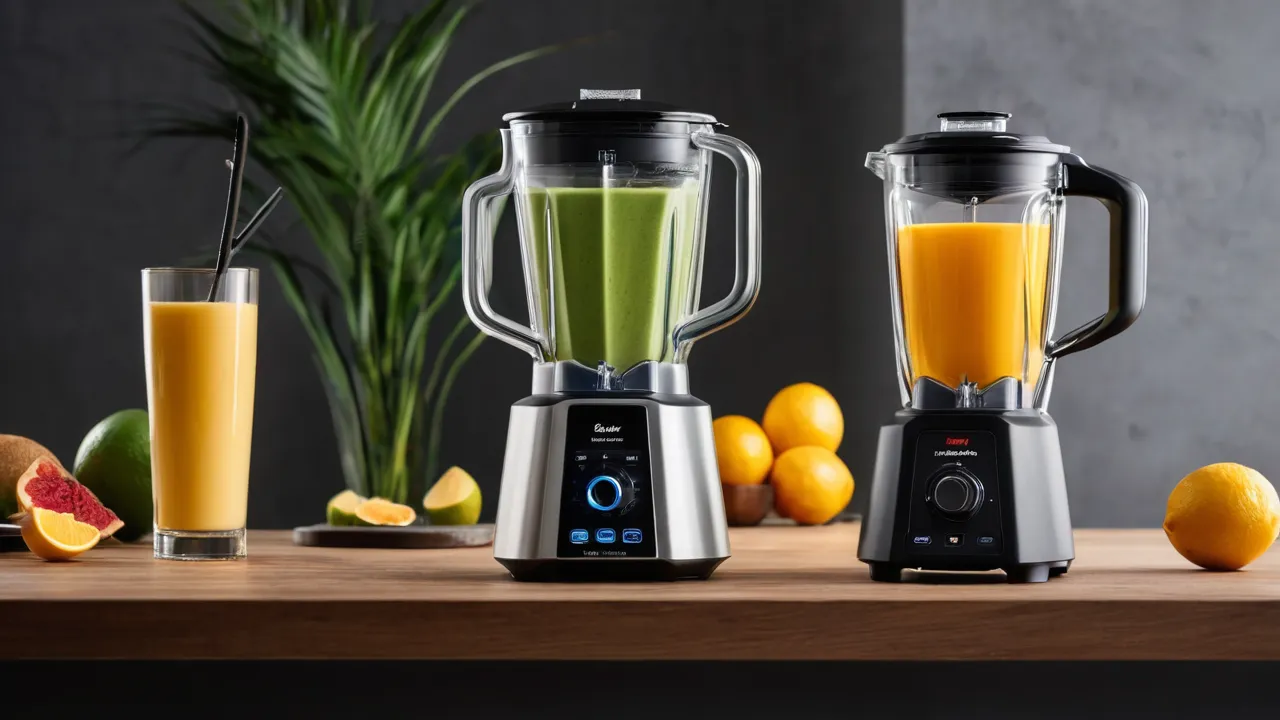
A high speed blender is worth the upgrade if you blend daily, make smoothies with ice or frozen fruit, grind nut butters or hot soups and want a longer warranty, because its stronger motor, tougher jar and longer coverage can lower the cost per year. A regular blender is enough if you blend a few times a week, make soft smoothies and sauces and want a smaller, quieter, cheaper machine.
What Separates the Two Classes
There is no official line between regular and high speed blenders, but the labels point to real differences. High speed blenders usually have a stronger motor, a heavier base, a jar designed to create a strong vortex, blades made of hardened steel and a longer warranty. They are built to run for longer stretches on tough loads such as ice, frozen fruit, fibrous greens and nuts.
Regular blenders have lighter motors, simpler jars and a shorter warranty. They handle soft fruit, yogurt, sauces and light smoothies well, and may struggle with large amounts of ice or tough ingredients, leaving bits behind or stalling.
Power ratings can mislead, so look beyond the watts. Jar design, blade shape and motor build decide performance, and our blenders and mixers category covers what to look for. The broader kitchen appliances section lists related machines.
Cost Per Year of Ownership
The price tag is only part of the cost. A better way to compare is the price divided by the years you use the blender.
- Take the purchase price of each blender.
- Estimate how many years you will use it, based on how often you blend and the warranty length.
- Divide the price by the years to get the cost per year.
- Add the cost of likely replacements, such as jars and gaskets, if they are sold separately.
Here is an example with symbols and no real prices. Suppose a regular blender costs A and lasts about three years of daily use before the motor or jar fails, and a high speed blender costs B and lasts about eight. The cost per year is A divided by 3 for the regular one, and B divided by 8 for the high speed one. If B is less than about 2.7 times A, the high speed blender costs less per year. If you blend rarely, the regular blender may last just as long, and then the cheaper one wins.
Real lifespans vary, and no maker can promise a number. Use the warranty length as a hint, and check reviews from owners after several years of use. The point is the method: compare cost per year, not sticker price alone.
Warranty Length and What It Covers
Warranties are a useful clue. High speed blenders often carry warranties measured in years, and regular blenders often carry shorter ones. Read what is covered. Some warranties cover the motor and the base, but exclude the jar, blades or gasket, and some cover everything except wear. Some require you to register the product, pay shipping or use only authorized sellers.
A longer warranty reduces your risk, but only if the maker honors it and the terms are clear. Check whether the warranty covers the jar and blade assembly, since those parts wear out first, and whether replacement jars are sold at fair prices. A short warranty on a cheap blender is not a bad sign in itself, because the price reflects the risk. But if a blender costs a lot and has a short warranty, ask why.
Keep your receipt and the warranty paperwork. For how we weigh warranty claims, see how we review.
What You Give Up With High Speed
High speed blenders have trade-offs. They are usually louder, heavier and larger, which affects storage and daily use. Many are tall and do not fit under standard cabinets. They cost more up front. The jars can be big, so small batches blend poorly, and cleaning a tall, narrow jar can be awkward. Some people find the power unnecessary, and would prefer a smaller machine they use more often.
High speed blenders can also heat food through friction if you run them for a long time. That can be a benefit for soups, but it can warm smoothies and reduce their chill. Follow the manual’s guidance on hot liquids and running times.
Finally, a more powerful motor can mask poor technique, but it does not remove the need for it. Loading the jar correctly and using the tamper properly still matter.
Habits That Stretch Lifespan Either Way
- Load liquids first, then soft items, then frozen items and ice on top.
- Start on low speed and increase gradually.
- Do not overfill the jar, and respect the maximum line.
- Let the motor rest between long runs, as the manual advises.
- Do not run the blender empty or without the lid.
- Clean the jar soon after use, to avoid dried food and odor.
- Check the gasket and blade assembly regularly, and replace worn parts.
- Keep the base dry and the cord undamaged.
- Do not use the blender for tasks the manual forbids, such as grinding hard spices or blending very hot liquids if not allowed.
These habits matter as much as the class of blender. A well-treated regular blender can outlast a mistreated high speed one.
A Worked Example
Two households make smoothies. The first drinks one banana and yogurt smoothie a few mornings a week. They use a regular blender, which handles the soft ingredients without trouble, and it has lasted several years. The second household blends every morning with frozen fruit, ice and spinach, and makes nut butter and hot soup on weekends. Their first regular blender died within two years, with the jar clouded and the motor straining. They bought a high speed blender with a longer warranty, which has run for years with only a replacement gasket. Dividing the price by years, the second blender cost less per year for them, while the first household would have spent more per year on the same machine. The better choice depended on the load, not the label.
Questions to Ask Before You Upgrade
Before you spend more, ask yourself a few direct questions. How many days a week do you blend, and for how long? What is the toughest ingredient you use, and does your current blender handle it? Does your current blender fail by stalling, leaving chunks, overheating or leaking? Is the problem the motor, or only the jar or a worn gasket, which might be cheaper to replace? Is there space for a taller, heavier machine? Does the warranty on the new blender cover the parts that fail first?
If your answers point to daily heavy use and a worn-out machine, the upgrade makes sense. If they point to occasional use and a machine that works fine, hold on to your money. Also ask whether you would use the blender more often if it were stronger. Some people find that a better blender changes their habits, making smoothies and soups a daily routine, while others simply put it on a shelf. Be honest about which you are.
Who Should Upgrade and Who Should Skip
- Upgrade if you blend most days, use ice, frozen fruit and greens, make nut butters, hot soups or large batches and want a longer warranty.
- Upgrade if your current blender stalls, leaves chunks or is wearing out, and you want a more durable machine.
- Skip the upgrade if you blend a few times a week, use soft ingredients and value a small, quiet machine.
- Skip if your counter or cabinet cannot hold a tall, heavy unit.
- Skip if budget is tight and a regular blender covers your needs.
- Consider a mid-range blender if you want some of the benefits without the cost and size.
Alternatives Worth Considering
If you do not blend often, an immersion blender can handle soups, sauces and small smoothies with less storage. A food processor handles chopping and dips, and a stand mixer handles dough, which a blender cannot do. See our stand mixer category for related machines. A personal blender with a travel cup suits one-serving smoothies. A refurbished or open-box high speed blender may lower the cost, though check the warranty terms carefully, since some do not transfer.
Think about the job first. If you want smoothies, a blender is right. If you want chopping and dough, you may need something else. Choose the machine for the task, then the class for your volume of use.
Frequently Asked Questions
Is a high speed blender worth the money?
It can be, if you blend daily, use ice, frozen fruit or nuts and want a long warranty. The cost per year can be lower than that of a cheaper blender that wears out sooner. If you blend only lightly, a regular blender is likely enough for your needs.
How long does a high speed blender last compared with a regular one?
It often lasts longer, because of the stronger motor and tougher jar, and warranties tend to be longer. Actual life depends on use and care, and no maker can guarantee a number. Compare warranty length and owner reports over several years.
Do I need a high speed blender for smoothies?
Not always. A regular blender handles soft fruit and yogurt well. For ice, frozen fruit and tough greens, a stronger blender gives a smoother result with less effort. Choose based on your ingredients and how often you blend.
Are high speed blenders louder?
Usually yes, because of the stronger motor and higher blade speed. Some models include sound shields or quieter designs, which can reduce the noise. If noise matters in your home, check the maker’s description, and think about when you will use it.
Final Thoughts
Upgrade to a high speed blender when your use, ingredients and the warranty make the cost per year lower, and stay with a regular blender when you blend lightly. Compare years of use, not just price, and look after whichever machine you buy.
Related buying guides
- How Long Does a Blender Last? Signs to Replace
- How Long Does a Stand Mixer Last? Repair and Parts
- How to Clean a Blender Without Dulling Blades
About the author

The BuyOnceChoice Editorial Team researches durable products worth buying once. Our guides compare published specifications, warranty terms, expert review consensus, and verified owner feedback. We do not conduct our own product trials. See How We Review and our Editorial Policy for our standards.