Snow Boot Height: Ankle vs Mid vs Knee High
Shaft height decides whether snow stays out. See which height fits packed sidewalks, deep powder and shoveling, and when a gaiter does the job.
 By BuyOnceChoice Editorial Team
Updated November 16, 2026
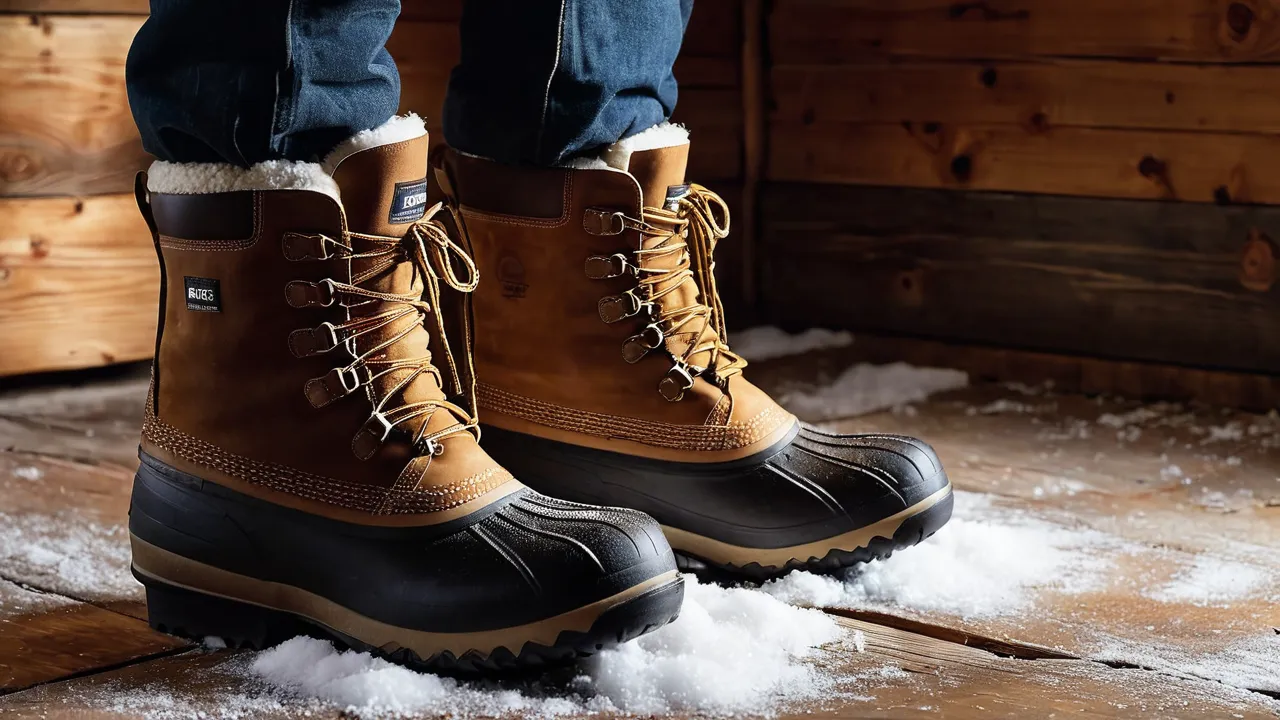
Snow boot shaft height should match the snow you meet. Choose ankle height for cleared sidewalks and short walks, mid calf for typical snowfall and shoveling, and knee height for deep unplowed snow, and add a gaiter when snow is deeper than the boot. The right height keeps snow from entering over the top, but taller boots weigh more and can be harder to fit.
Why height matters
A boot is only waterproof up to its top edge. When snow rises above that line, it falls in, melts against the foot and chills it. Height also affects how a boot feels. A taller shaft protects more of the leg and weighs more, and a shorter boot is lighter and easier to walk in.
Think about the deepest snow you regularly meet, and add a margin for drifting and stepping into low spots. Remember that you sink when you step into soft snow, so a boot that appears tall enough when standing may be short when you step in. Compare your depth with the shaft height listed by the maker.
How to judge snow depth for your routine
Think about where you walk. For a commute, consider the typical snow on sidewalks after plowing, which is often shallow. For a yard, think about the snow on the ground after a storm, which can be much deeper. For trails or rural roads, consider drifts. Pick a height that clears the deepest typical depth, then decide how often you will meet more. If deep snow is rare, a gaiter or waterproof pants can cover the exception.
Ankle height
Ankle boots reach just above the ankle bone. They are light, easy to wear and suit cleared walks, parking lots and short outings. They fail in snow deeper than a few inches, and snow can enter at the collar. Pair them with pants over the top and a snug cuff, and keep them for light conditions.
Mid calf height
Mid calf boots rise several inches above the ankle. They handle typical snowfall, shoveling and dog walking routes. They cover the lower leg, and with pants pulled over the top, they keep out most snow. They are the most versatile height for many winter climates. Check the top closure, since a drawcord or snug collar adds protection.
Knee height
Knee high boots reach just below the knee. They suit deep snow, unplowed trails, farm work and long exposure. They are heavier, and they may rub the back of the knee when you bend. Calf fit matters more at this height, and our winter boots wide calf guide explains how to measure. If you get on and off often, check the closure.
Fit with calves and layers
Taller boots need calf room, especially with thick pants. Measure the widest part of your calf and compare it with the shaft circumference, and try the boot with your winter clothing. A tight shaft restricts circulation, which makes feet colder. A very loose shaft lets snow in.
Gaiters as a flexible fix
A gaiter is a fabric sleeve that covers the top of the boot and the lower leg. It adds height and seals the gap between pants and boot. A gaiter lets you use a shorter, lighter boot in deeper snow. It adds a step to dressing, and it needs to fit the boot and pants. For hikers and snowshoers, a gaiter is common, and it can extend a mid calf boot to deeper snow. Check compatibility with your boot’s shape and the strap or hook system.
| Height | Best for | Watch out for |
|---|---|---|
| Ankle | Cleared sidewalks, short outings | Snow entry at the collar |
| Mid calf | Typical snowfall, shoveling | Deep drifts can top it |
| Knee | Deep unplowed snow, farm work | Weight, calf fit |
| Mid calf plus gaiter | Variable depth | Extra gear |
Weight, closure and the top edge
Taller boots weigh more and add leverage to every step. Over a long walk, extra weight tires the legs. Knee boots are often heavy, and they may be stiff at the ankle. If you walk long distances, choose the shortest boot that keeps snow out and pair it with a gaiter when needed. If you stand or work in place, weight matters less and warmth matters more.
The top edge decides how snow enters. A snug cuff with a drawcord, a buckle strap or a hook and loop closure holds the boot against the leg. A flared top lets snow fall in. Pants pulled over the cuff shed snow outward, while pants tucked in channel snow into the boot. Check how the boot sits with the pants you will wear.
Salt, slush and the lower boot
Even when snow is shallow, slush and salt attack the lower boot. A rubber lower or a sealed sole joint helps, and a quick rinse after use extends life. Height does not protect against salt, so care matters at every height.
Checking height in the store
Stand in the boot and measure the shaft from the floor at the back of the boot to the top edge, or compare the maker’s listed shaft height. Hold a ruler against the boot next to your leg to see where it lands. Crouch and kneel, since a tall stiff shaft can dig into the back of the knee. Walk up stairs and check that the top does not rub. Height numbers vary by size, so use the figure for your size when the maker gives it.
Worked examples
A city commuter walks plowed sidewalks and crosses slushy curbs. Shallow snow and salt are the issues, so an ankle or low mid calf boot with a waterproof lower and a gusseted tongue works, and a quick rinse after wet days protects the leather.
A suburban homeowner shovels a driveway and a walkway, then walks a dog around the block. Snow in the yard can be much deeper than on the street, and a mid calf boot with pants pulled over the top handles it. A drawcord or strap at the top keeps snow from falling in when bending to lift a shovel.
A rural resident walks to a mailbox along an unplowed lane and feeds animals after storms. Drifts can top a mid calf boot, so knee height, or mid calf with a gaiter, makes sense. Calf room matters, because thick pants and long socks add volume.
A parent of a young child buys for a child who rolls in the snow. Taller tops with a snug closure keep snow out, and removable liners make drying easier. Check the fit often, since children outgrow boots quickly.
For each case, write the deepest snow you meet and the longest time you spend in it, then choose the height that clears it with a margin. If you land between two heights, choose the shorter boot and add a gaiter, since it is lighter and more flexible. If you find yourself adding a gaiter on most days, move up a height instead.
Decision rules
- City commuting: ankle or low mid calf with a gusseted tongue.
- Shoveling and yard work: mid calf.
- Rural roads, farm and deep snow: knee height, or mid calf with gaiters.
- Kids: mid calf, with a snug top, since children play in deep snow.
- Wide calves: check shaft circumference, since taller boots tighten at the calf.
- Slush and salt: consider rubber lowers that shed water.
Dog walkers on cleared paths do well with ankle or mid calf boots. Shovelers need a boot that stays on when pushing and a sole that grips, and a mid calf lace up with a gusseted tongue suits most yard work. Compare two heights in the same brand if you can, since the difference between mid calf and knee is easy to feel in person and hard to judge from a photo. Height is only one feature, so check the sole, the closure and the insulation as well.
See the clothing and footwear section and how we review for related guidance.
Frequently Asked Questions
What height snow boots do I need?
Match the height to the deepest snow you regularly meet, plus a margin for drifts. Ankle works for cleared walks, mid calf for typical snowfall and shoveling, and knee height for deep, unplowed snow. A gaiter can extend a shorter boot into deeper snow.
Are knee high snow boots too heavy?
They are heavier, and the stiff shaft can rub behind the knee, so they suit deep snow and standing work more than long walks. For long distances, choose the shortest boot that keeps snow out and add a gaiter for the deeper sections.
Do I need gaiters with snow boots?
Only when snow is deeper than the boot, or when you walk off trail in soft snow. A gaiter seals the gap between pants and boot and adds height. It adds a step to dressing, so check that it fits your boot and pants.
How do I keep snow out of the top of my boots?
Choose a height that clears the snow, use a snug cuff, drawcord or strap, and wear pants over the boot top so snow sheds outward. A gaiter helps in deep snow. Check calf fit, since a loose top lets snow in.
Final Thoughts
Measure snow depth, not temperature, to choose the height. Ankle for cleared paths, mid calf for most winter days and knee height or gaiters for deep snow. Check the top closure, the calf fit and the weight, and wear pants over the cuff to keep snow out.
Related buying guides
- Waterproof vs Water Resistant Winter Boots
- How to Dry and Care for Winter Boots Between Seasons
- Winter Boot Insulation Explained: 200g vs 400g vs 600g
About the author

The BuyOnceChoice Editorial Team researches durable products worth buying once. Our guides compare published specifications, warranty terms, expert review consensus, and verified owner feedback. We do not conduct our own product trials. See How We Review and our Editorial Policy for our standards.