Portable Generator Maintenance Schedule and Checklist
Use this routine for oil, air filter, spark plug, fuel and storage so your generator starts on the first pull when the power goes out.
 By BuyOnceChoice Editorial Team
Updated November 16, 2026
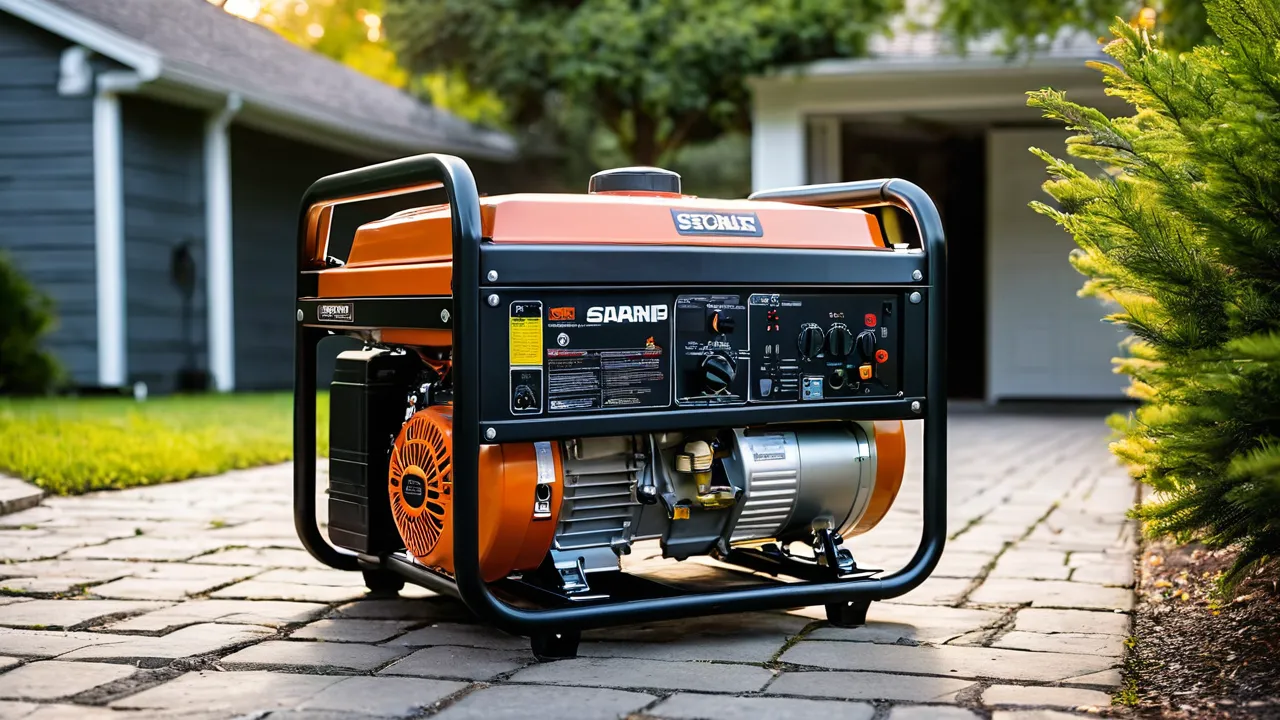
A portable generator maintenance schedule is a set of checks and service tasks done at fixed intervals, by hours of running time and by season, so the engine starts and carries a load when the power goes out. In practice that means a quick walk around before every run, oil and filter service by hours, fresh or stabilized fuel, a short monthly run under load, and a proper storage routine. Always treat your owner manual as the final word on exact intervals.
Why a generator fails when you need it most
Most no start problems on portable generators are not mechanical failures. They are neglect problems: old fuel that has varnished the carburetor, low or dirty oil that trips a low oil shutdown, a dead starter battery, a clogged air filter, or a spark plug that has fouled while the unit sat. These are cheap to prevent and annoying to fix in the middle of a storm.
Generators also sit unused for months and then run for many hours straight during an outage. That pattern is hard on an engine, because the weak points (stale fuel, thin oil, loose connections) show up exactly when the load is highest. A schedule turns a once a year panic into small habits.
The intervals below are typical for small air cooled gasoline engines, but brands differ. Where this guide says “often,” read it as “common, check your manual.”
Before every use: the two minute walk around
Do this at every start, even a short one.
- Check the oil level on a level surface with the engine off and cool. Top up to the full mark with the oil type the manual names.
- Look at the fuel level and the fuel itself. If it smells sour or looks dark, do not use it.
- Inspect the air filter housing for dirt and make sure the cover is latched.
- Look over the cords, outlets and covers for cracks, burns or loose parts.
- Make sure the exhaust and cooling vents are clear of debris and that nothing is stored against the unit.
- Confirm the unit is outdoors on a flat, stable surface, far from doors, windows and vents.
Check that the fuel valve is open, the choke is set as the manual describes and the breaker is off before cranking. Start the engine with nothing plugged in, let it settle for a minute or two, then add loads one at a time. This habit protects both the generator and your appliances.
First oil change and the break-in rule
New engines shed tiny metal particles as parts seat against each other. For that reason many manuals call for an early first oil change, often within the first several hours of running, well before the regular interval. The exact number of hours varies by model, so look up the figure in your manual and mark it in a notebook or on the unit.
After the first change, move to the regular interval. Many small engines call for fresh oil after roughly every 50 to 100 hours of use, or at least once a season, whichever comes first. Dusty, hot or heavy load conditions shorten that interval. If the unit rarely runs, change the oil by the calendar rather than by hours, since oil ages even in storage.
Use the viscosity the manual lists for your temperature range. Drain the oil while the engine is warm, because it flows better, but let the engine cool enough to avoid burns. Dispose of used oil at a recycling center or auto parts store that takes it.
Seasonal and hourly tasks
| Task | Typical interval | What to do |
|---|---|---|
| Oil level | Every use | Check and top up |
| Oil change | First change early, then often every 50 to 100 hours or yearly | Drain and refill with the oil in the manual |
| Air filter | Inspect often, service every 25 to 50 hours in dusty use | Clean foam or replace paper element |
| Spark plug | Often every 100 hours or yearly | Inspect gap and color, replace if worn |
| Fuel filter and sediment cup | Yearly or as the manual says | Inspect, clean or replace |
| Valve clearance | Per manual, often by a shop | Have it adjusted if the manual calls for it |
| Starter battery | Monthly in season | Check charge, keep terminals clean |
| Fasteners, covers, outlets | Each season | Check for loose or damaged parts |
A gray or tan spark plug tip usually means the engine is burning normally. A black, wet or sooty plug points to rich running or old fuel, and a white, blistered one suggests a lean mixture or overheating. Either of the latter two is a reason to look deeper or have a technician check the carburetor.
For the air filter, a foam element can be washed in mild soap and water, squeezed dry, lightly oiled if the manual says so and refitted. Paper elements should be replaced, not washed. Running without a filter lets grit into the cylinder, so never skip it, even briefly.
Fuel handling that prevents most no-start problems
Gasoline degrades. Modern pump gas often contains ethanol, which attracts moisture and can leave gummy deposits in a small carburetor. Untreated gasoline can begin to go stale in a matter of months, and a fuel stabilizer can extend that window, though the exact time on the label varies by product. Follow the stabilizer’s instructions for the mixing ratio and for how long you can expect protection.
A practical plan looks like this:
- Buy fuel in a quantity you will use within a reasonable time, and store it in an approved fuel container away from ignition sources and living areas.
- Add stabilizer when you fill the container, not after the fuel has aged.
- Before a long storage period, either run the generator with stabilized fuel for several minutes so the treated fuel reaches the carburetor, or shut off the fuel valve and let the engine run the carburetor dry, as the manual instructs.
- If the unit has a drain screw on the carburetor bowl, use it when the manual recommends it, with a container underneath.
- Rotate stored fuel into your car and replace it with fresh fuel on a schedule.
If you rely on the generator for an essential load such as a sump pump, a stable fuel plan matters even more. The sump pumps guide explains why basement protection is one of the most common reasons homeowners buy a generator. Never refuel while the engine is running or hot, and wipe up spills before starting.
Exercise the generator under load
A generator that only runs in emergencies tends to fail in them. Run it every month or two, or as your manual advises, outdoors and with the same placement rules you would follow in an outage, for roughly 15 to 20 minutes, a figure many guides use. Plug in a steady load such as a work light or a small heater type load within the unit’s rating, so the engine and alternator are working, not idling.
Exercising does several useful things. It circulates oil, burns off moisture, keeps the carburetor wet with fresh fuel and recharges an electric start battery. It also tells you in a calm moment whether the pull cord, choke or starter still work. Log the date and the hours on the meter if your model has one, since that is how you know when an oil change is due.
If you size your generator by the loads you need to carry, remember that exercising under a representative load also reveals whether the unit still delivers what it did when new. A surge or a stumble under a modest load is a signal to inspect fuel and the air filter before the next outage. Owners of larger units, covered in the large portable generators guide, often have electric start and a battery, which needs the same monthly attention.
Storage plan for the off season
When the season ends, follow a short checklist.
- Change the oil if it is near its interval, since used oil holds acids and moisture.
- Stabilize the fuel or run the carburetor dry, as the manual directs.
- Remove the spark plug, add a small squirt of clean oil into the cylinder if the manual allows it, pull the cord slowly a few times and refit the plug.
- Disconnect or charge the starter battery, and store it per its instructions.
- Clean the exterior, check for loose hardware and keep rodents out of vents and the muffler.
- Cover the unit loosely so it can breathe, and store it in a dry place away from the furnace and water heater, never in a way that would let you run it indoors by mistake.
Label the generator with the next service date and the oil type. When an outage threatens, you will know exactly what the engine needs.
Safety during maintenance
Let the engine cool before servicing it, since mufflers stay hot long after shutdown. For plug or carburetor work, disconnect the spark plug wire so the engine cannot start. Handle fuel outdoors, away from sparks, pilot lights and anything hot. Carbon monoxide kills, so never run the generator in a garage, basement or near an open window, even briefly for a maintenance run. Use a battery operated carbon monoxide alarm in the home. For electrical work or a house connection, hire a licensed electrician, and always follow the manufacturer’s manual. Browse the portable generator category for related guides.
Frequently Asked Questions
How often should I change the oil in a portable generator?
Change it early after break in, using the hour count in your manual, then often every 50 to 100 hours or at least once a year if the unit rarely runs. Hot, dusty or heavy load use calls for shorter intervals. Check the oil level before every run, since a low level can shut the engine down.
How long can gas sit in a portable generator?
Untreated gasoline can start to degrade in a few months, and ethanol blends can attract moisture and form deposits. A stabilizer extends the shelf life, but follow the label. For storage longer than a month or two, stabilize the fuel and run it through the carburetor, or run the carburetor dry as your manual instructs.
Should I run my generator every month?
Often, yes, though your manual has the final say. A run every month or two of roughly 15 to 20 minutes under a modest load keeps the carburetor wet with fresh fuel, circulates oil and recharges an electric start battery. It also shows you whether the unit still starts and carries a load while there is no emergency. Do it outdoors with normal safety rules.
Is it okay to leave fuel in a generator over the winter?
It is usually better not to leave untreated fuel in the tank or carburetor. Either add stabilizer and run the engine so treated fuel reaches the carburetor, or drain or run the system dry per the manual. Store extra fuel in an approved container, away from heat and living spaces.
Final Thoughts
A portable generator rewards simple habits. Check the oil and fuel at every start, change the oil on time, keep the air filter and plug in good shape, treat or rotate the fuel, and run the unit monthly under a load. Store it properly in the off season, and follow your manual for every interval. For how we weigh buying advice, see how we review.
Related buying guides
- Portable Generator Safety: Safe Placement and CO Rules
- Propane vs Gas Generator: Fuel, Runtime and Storage
- Running Watts vs Starting Watts Explained
About the author

The BuyOnceChoice Editorial Team researches durable products worth buying once. Our guides compare published specifications, warranty terms, expert review consensus, and verified owner feedback. We do not conduct our own product trials. See How We Review and our Editorial Policy for our standards.