Generator Extension Cords and Power Cords: Gauge and Length
Pick the right extension cord for a portable generator by matching wire gauge to amps and length, and learn why thin cords cause heat and motor trouble.
 By BuyOnceChoice Editorial Team
Updated November 16, 2026
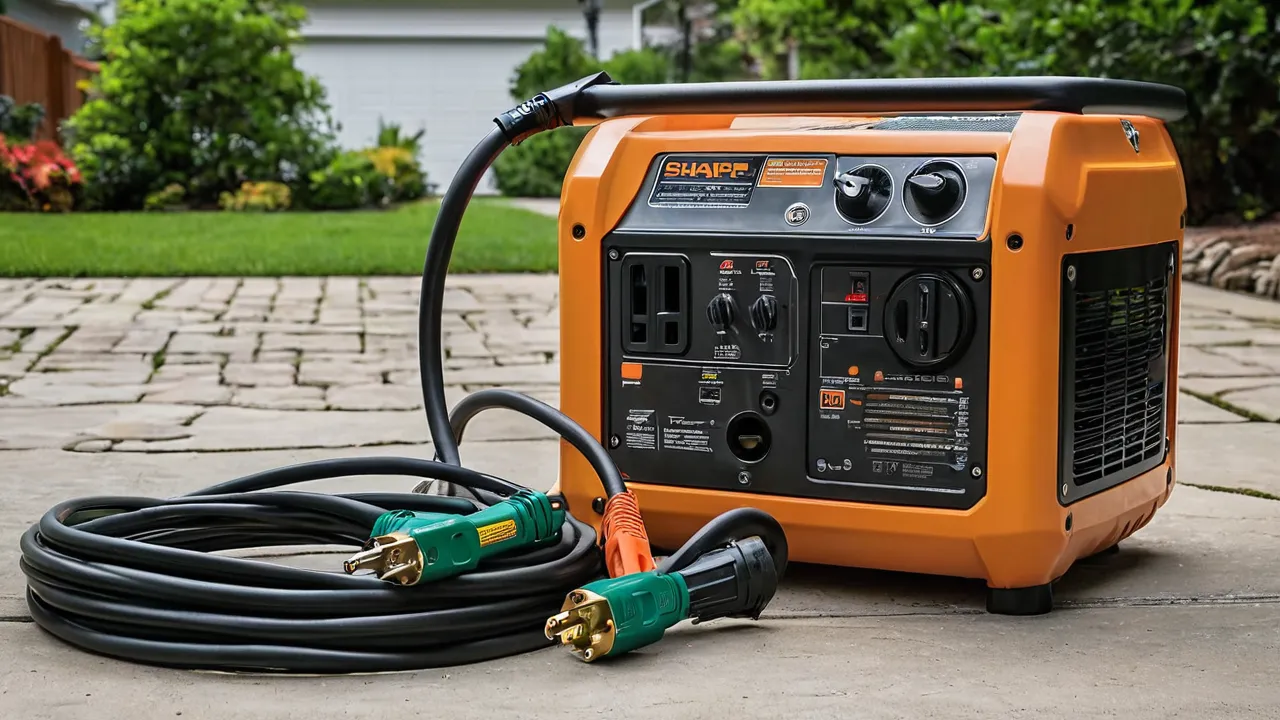
For a generator extension cord, match the wire gauge to the amps your load draws and to the cord length. Thicker wire, which has a lower gauge number, carries more current over more distance with less heat. Short, heavy-duty, outdoor-rated cords work best, and a thin or very long cord can overheat or starve a motor of voltage. When in doubt, go one size thicker and shorter.
Gauge, amps and what the numbers mean
American Wire Gauge numbers run backward: a smaller number means thicker wire. A cord marked 12 gauge is thicker than one marked 16 gauge and can carry more current safely. The jacket often lists the gauge, the number of conductors and a letter code for construction. A cord marked 12/3 has three conductors of 12 gauge, including a ground.
Every cord has a maximum amp rating, usually printed on the jacket or plug. The rating applies to the cord at its full length under normal use. Check that it exceeds the amps of the load. Amps equal watts divided by volts, so a 1,200 watt load at 120 volts draws about 10 amps.
Cord jackets also carry letters that describe the cover. A jacket rated for outdoor use resists moisture and sunlight, while one built for hard or extra hard service resists abrasion and cold flexing. That matters where a cord lies on concrete, gets stepped on and sees weather. A cord that stiffens in the cold can crack, so look for a model rated for the temperatures you expect.
A rough gauge guide
Published charts differ a little, so treat these as starting points and defer to the cord’s own rating and the tool or appliance manual.
- 16 gauge: light duty, suited to lamps and small loads on short runs.
- 14 gauge: medium duty, suited to many small appliances on moderate runs.
- 12 gauge: a sound minimum for loads near 15 amps up to about 50 feet.
- 10 gauge: the safer choice for 15 amp loads over about 50 to 100 feet and for heavier loads.
A standard household plug also limits a cord to 15 amps regardless of wire thickness, so a thicker wire does not raise that ceiling.
Why length matters
Wire has resistance. Over a longer cord, more voltage is lost as heat and less reaches the appliance. This is voltage drop. A motor that gets low voltage draws more current to compensate, runs hotter and can fail early. A refrigerator or pump on a long thin cord may refuse to start even when the generator is sized correctly.
Keep cords as short as practical, and step up to a thicker gauge when the run gets long. The cord packaging or the generator manual often includes a chart, and manufacturers list the maximum length for each gauge at a given amperage. Use those instead of guessing.
Suppose a pump draws a steady current while running and a larger one at start. On a long thin cord, voltage at the pump can sag during the start surge far enough that it hums and does not turn, leading to repeated starts, motor heat and a tripped breaker. Moving the generator closer or switching to a thicker cord fixes the problem without any other changes.
Matching cords to loads
- Lights and chargers: light-duty cords are fine on short runs, though outdoor-rated is still best.
- Refrigerator or freezer: heavy-duty, grounded and as short as practical.
- Sump pump or well pump: a thicker gauge, strictly short, with the connection kept dry. Our sump pump category covers pump power needs.
- Power tools: match the tool’s amp rating and use a thicker gauge for long runs.
- Generator to house inlet: use the cord specified for the generator outlet and the inlet, installed by a licensed electrician.
The generator’s own outlets also have ratings, and the cord end must fit them. A 30 amp twist-lock outlet uses a matching cable, and a household 120 volt outlet uses a standard grounded plug. If a plug requires an adapter, check the adapter’s rating too, because the weakest link decides the safe limit.
One cord per heavy load is the simplest rule. If you must share, add up the amps of everything on that cord and keep the total below the cord’s rating. A refrigerator and a lamp on one cord is reasonable, while a refrigerator and a space heater is not. Space heaters are a common cause of overloaded cords during outages.
Why a cheap cord is a fire risk
Some low-cost cords use thinner wire than their labels imply, or have weak plugs and thin insulation. Under a heavy load they can heat up, soften and in the worst case start a fire. Warning signs include a cord that feels warm, a melted plug, a burning smell or a plug that wiggles in the outlet.
Look for cords from reputable makers with a listing mark from a recognized safety organization, a jacket marked for outdoor or hard-service use and a clear gauge label. If markings are missing, do not trust the cord with a high load. Replace damaged cords and never repair them with tape.
Plug quality matters as much as wire. A loose plug creates a high-resistance spot that heats under load. If a plug has been warm or discolored, replace the whole cord. Never cut the ground pin off a plug to fit an ungrounded outlet, because the ground pin protects against shock if a fault occurs.
Setup habits that reduce risk
- Fully uncoil cords so heat can escape.
- Keep cords out of standing water and off wet ground.
- Do not run cords under rugs or through closed doors.
- Inspect each cord for cuts, bent prongs and exposed wire before each use.
- Use one cord per heavy load instead of daisy-chaining.
- Keep connections above the ground and covered from rain.
A power strip is an extra link and may have a lower rating than the cord. For heavy loads, plug directly into the generator or use a distribution box designed for generator use. Follow the owner manual for outlet limits.
Store cords loosely coiled and out of sunlight. Label each by length and amp rating with tape so you can grab the right one in the dark. Every season, run a hand along the cord to feel for lumps or stiff spots, which can signal internal damage.
Safety and professional help
Run the generator outdoors, far from windows and doors, and keep carbon monoxide alarms working indoors. Never connect a generator to a wall outlet with a double-male cord. A transfer switch or interlock should be installed by a licensed electrician following local code and the generator manual. See our portable generator category for features that simplify connections, and how we review for how we weigh gear.
Worked example: refrigerator and sump pump
Suppose a refrigerator label says 6 amps running and a sump pump says 10 amps running with a larger surge at start. On separate cords, each cord carries its own load, so a 14 or 12 gauge cord of modest length is adequate for the refrigerator, and a 12 gauge cord is a sensible choice for the pump with a short run. If you try to share one cord, the total running load of 16 amps already exceeds a 15 amp household plug, and the start surge makes it worse. The fix is separate cords, plugged into separate generator outlets, or a properly installed inlet and transfer method for circuits. Write the amps on the cord tape so you can see the arithmetic at a glance.
When a generator outlet is the limit
Each generator receptacle has its own rating, and a single 120 volt receptacle is usually limited to 15 or 20 amps. If two cords are fed from one duplex outlet, the total on that outlet still matters. Spread loads across outlets, and check the generator panel for breakers that show how loads are grouped. If the breaker trips, do not replace it with a larger one. Reduce the load or move it to another outlet.
Frequently Asked Questions
What gauge extension cord do I need for a generator?
Match the gauge to the load’s amps and the cord length. A 12 gauge cord is a sound minimum for loads near 15 amps over short to moderate runs, and 10 gauge is safer for longer runs or heavier loads. Check the cord’s own rating and the manual.
Can I use a regular extension cord with a generator?
Yes, if it is rated for the amps, is grounded, outdoor-rated and in good condition. A thin indoor cord on a heavy load can overheat. Use the shortest cord that reaches, and avoid daisy-chaining cords.
How long can a generator extension cord be?
It depends on the gauge and the amps. Longer runs need thicker wire to limit voltage drop. Consult a gauge and length chart or the generator manual, and place the generator as close to the load as safety allows.
Is it safe to run a generator extension cord through a window?
Do not run the cord in a way that leaves a window open near the generator, because exhaust can enter the home. Place the generator far from openings and use a proper inlet or a door seal that keeps carbon monoxide out. Keep alarms working indoors.
Final Thoughts
The right generator cord is short, heavy gauge, outdoor rated and matched to the amps of the load. Do the arithmetic, read the labels and replace anything that looks damaged. Use a gauge chart for long runs and avoid daisy chains. A good cord costs little compared with a fire or a burned-out motor, and it is part of a complete backup plan.
Related buying guides
- Generator for RV or Camping: Wattage and Outlet Checklist
- Generator Interlock Kit vs Transfer Switch: What to Pick
- Generator Wattage for Sump Pump, Fridge and Furnace
About the author

The BuyOnceChoice Editorial Team researches durable products worth buying once. Our guides compare published specifications, warranty terms, expert review consensus, and verified owner feedback. We do not conduct our own product trials. See How We Review and our Editorial Policy for our standards.