Generator Interlock Kit vs Transfer Switch: What to Pick
Both let a portable generator feed your house without back-feeding the grid. Compare panel fit, permits, load control and who should hire an electrician.
 By BuyOnceChoice Editorial Team
Updated November 16, 2026
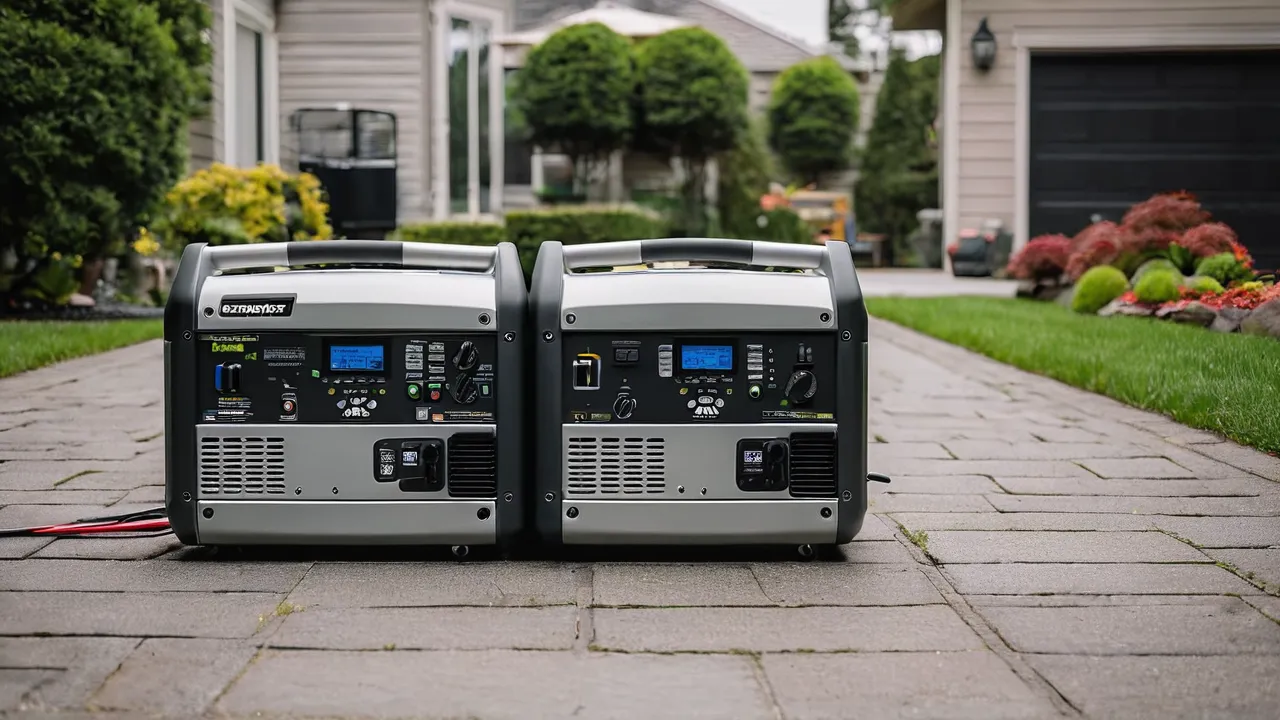
An interlock kit and a transfer switch both let a portable generator feed your home wiring while preventing it from also feeding the utility line. An interlock is usually the cheaper route and lets you power any circuit in the panel, but you manage the load yourself. A transfer switch moves a chosen set of circuits to the generator and keeps the rest off, which protects the generator from overload. Both should be installed by a licensed electrician following local code.
What each device does
A generator interlock kit is a small mechanical plate fitted to the main panel. It slides so the main breaker and a dedicated generator breaker cannot both be on at once. You pair it with a power inlet box on the outside of the house and a cord that runs from the generator to the inlet. In an outage you shut off the main breaker, move the interlock, switch on the generator breaker and then turn on individual circuits.
A manual transfer switch is a separate small panel that mounts next to the main panel. A selected group of circuits, often between six and sixteen, is rewired into it. A switch for each circuit lets you choose between utility and generator power. Only the circuits wired into the switch can run on the generator, and many models show a meter so you can watch the load.
An automatic transfer switch is a different product, built for permanently installed standby generators that start without human action. That belongs in the whole-home generators category, and it is outside this portable-generator comparison.
Panel compatibility checklist
The first question for an interlock is whether one is approved for your panel. Interlock kits are made for specific panel brands and models, and the product listing names the panels it fits. Do not use a kit that is not listed for your panel, and do not modify it.
- Panel brand and model: read the label on the inside of the door.
- Panel orientation and main breaker position: some interlocks require the main breaker at the top or in a certain slot.
- Space for a double-pole generator breaker: a full panel may need rearranging, so ask the electrician.
- Generator output: confirm that the generator has a 240 volt outlet and an amperage that matches the inlet and breaker, as stated in the manual.
- Service layout: subpanels and a detached garage change what is required.
If the panel is old, crowded or no longer supported, a transfer switch may be the cleaner choice, or a panel upgrade may be needed. An electrician will tell you.
Permits, inspection and code
In most places both options require a permit and an inspection, and the work must follow the National Electrical Code and local amendments. The code requires a method that keeps the generator from feeding the utility lines, which is the purpose of both devices. Some jurisdictions or utilities have specific rules about interlocks, so ask the building department and your power company before you start.
A licensed electrician understands details a diagram cannot show, including grounding, neutral bonding, conductor sizing and where the inlet box can go. These matters decide whether a generator can be used safely with your system. Treat a do-it-yourself installation as a project to discuss with a licensed professional and your local authority, not one to improvise.
Load control: the practical difference
With an interlock, every breaker in the panel is available for the generator. That is flexible, but it puts load management on you. If you switch on the electric range, a dryer and the air conditioner at the same time, a portable generator may overload and shut down or be damaged. The usual routine is to turn off all branch breakers, start the generator, then turn circuits on one at a time, starting with the largest motor loads.
A transfer switch limits the choice. Only the circuits you decided to include can be powered, so you cannot accidentally ask the generator to carry a dryer unless you chose to wire it. Some people value that guardrail, especially if other family members will run the setup. Others find the limited circuit count a drawback, since the circuits you want in a long outage may change over time.
Planning the inlet and the cord
The inlet box and cord are the parts you handle in bad weather. Pick a spot on the outside wall close to where the generator will sit, at least as far from windows and doors as the generator manual requires. The inlet should be weather-rated and its amperage should match the generator outlet. Use the cord the manual specifies, with a rating at or above the breaker, and keep it short and off wet ground. Our portable generators category covers generator features that simplify the connection.
Cost and effort
An interlock kit typically costs less in parts and labor, because the work is concentrated at the panel plus an inlet and a short run of cable. A transfer switch has more parts and more wiring, since each chosen circuit has to be rerouted, so installation takes longer. The cord, inlet box and generator breaker add to both. Ask for itemized quotes from two electricians and ask what each includes, such as permits and inspection.
Honest limits of each approach
- An interlock requires a panel it is made for, and the user must remember the correct sequence. A mistake can overload the generator.
- A transfer switch limits you to the circuits you wired in, and it costs more to install and change later.
- Neither increases the capacity of your generator. If a well pump, central air and an electric range together need more than the unit provides, the answer is a larger unit or a standby system.
- Neither is an excuse to run a generator in a garage. Outdoor placement and carbon monoxide alarms still apply.
Who should choose which
- Choose an interlock kit if your panel is on the compatibility list, you are comfortable managing loads manually and you want the lowest cost and flexibility.
- Choose a transfer switch if you want a fixed set of circuits, someone else in the household will operate it, or your panel has no approved interlock.
- Skip both and use extension cords to run a few appliances if you only need a refrigerator and lights occasionally.
- Skip a portable setup and ask about a permanently installed unit if you want power with no steps in a storm.
Read how we review for how we weigh product specs.
Operating routine to write down
Whichever device you install, write the steps on a card kept near the panel: how to start the generator, which breakers to switch and in what order, which loads to add first, and how to reverse the steps when utility power returns. Include the rule that the main breaker must be off before the generator breaker goes on. A written routine helps anyone in the household use the setup safely and keeps mistakes down when stress is high.
Questions to ask the electrician
Ask which panel you have and whether a listed interlock exists for it. Ask where the inlet will go and how far the generator must sit from openings. Ask what size breaker, wire and inlet will be used and whether they match your generator’s outlet. Ask whether a permit and inspection are included, how long the work takes, and what the warranty on labor covers. Ask how to use the setup safely, and request a written copy of the startup and shutdown steps. If the electrician recommends a transfer switch instead of an interlock, ask why, and what circuits would be included. A good electrician will answer in plain terms and will explain the grounding and neutral arrangement for your generator.
Frequently Asked Questions
Is a generator interlock kit legal?
It depends on your jurisdiction and your panel. Many places allow listed interlock kits installed by a licensed electrician with a permit and inspection. Some utilities or local codes add rules. Ask your building department and power company before you buy.
Which is cheaper, an interlock or a transfer switch?
An interlock is usually cheaper, since it involves less wiring. The final price depends on your panel, the inlet, the generator breaker and local labor. Get itemized quotes for both so you can compare what each includes.
Can I install an interlock kit myself?
Work inside the main panel is dangerous and regulated. Most local codes expect a licensed electrician and a permit. Even confident DIYers should check local rules and consider hiring a professional for the panel and inlet work.
Do I need a transfer switch for a portable generator?
You need a safe method that prevents back-feeding, which is either a transfer switch or an interlock, if you want to power house circuits. If you only run extension cords to a few appliances, you do not need either.
Final Thoughts
Interlock kits and transfer switches both do the key job of preventing back-feed, and each has trade-offs in cost, flexibility and guardrails. Check that your panel is listed for the interlock, confirm the generator’s outlet and amperage, ask your local building department about permits and let a licensed electrician perform the work. Whichever you pick, run the generator outdoors and keep carbon monoxide alarms working.
Related buying guides
- Generator Wattage for Sump Pump, Fridge and Furnace
- How Long Do Portable Generators Last? Hours and Care
- How to Choose a Quiet Generator: Noise Ratings Explained
About the author

The BuyOnceChoice Editorial Team researches durable products worth buying once. Our guides compare published specifications, warranty terms, expert review consensus, and verified owner feedback. We do not conduct our own product trials. See How We Review and our Editorial Policy for our standards.