Are Dual Fuel Generators Worth It? Who Should Skip
Dual fuel adds flexibility and a propane option, but also derating and extra parts. Learn when the premium helps and when a single fuel unit is enough.
 By BuyOnceChoice Editorial Team
Updated November 16, 2026
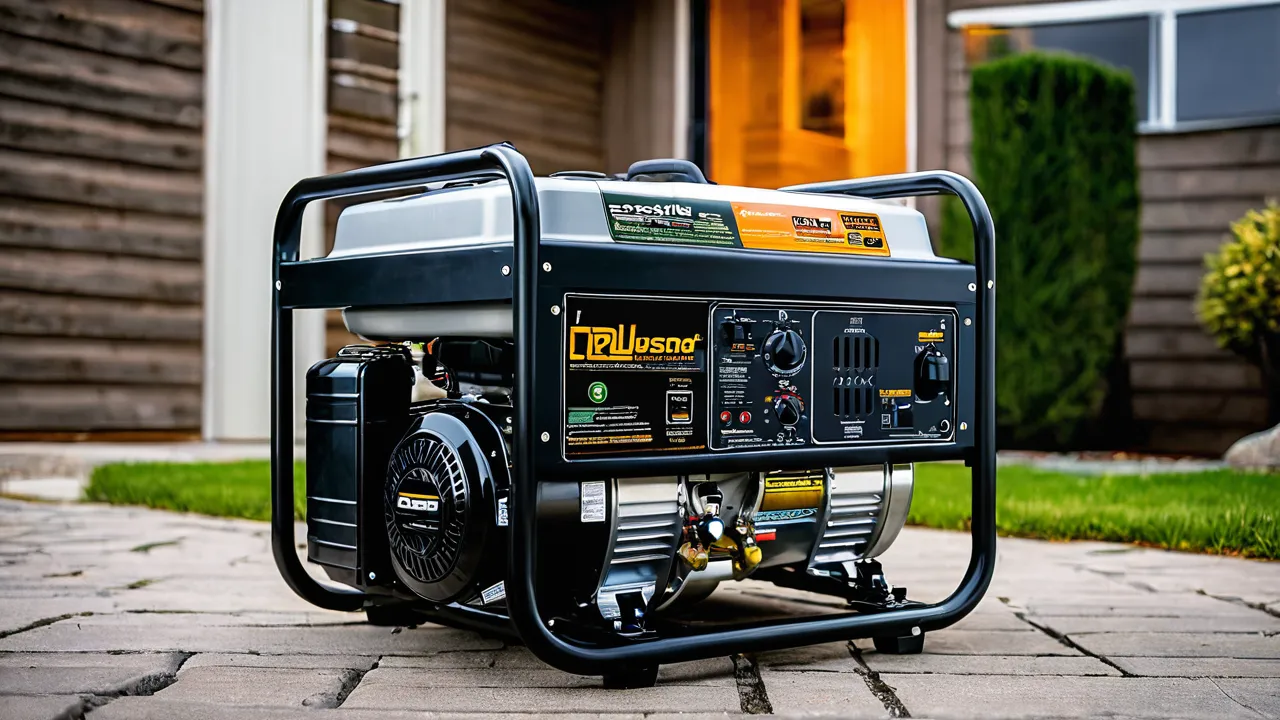
Dual fuel generators are worth it when you want a backup that can run on propane stored months ago or on gasoline you can pour in at the last minute, and they are not worth it if you will only ever use one fuel. The premium over a gasoline-only unit buys a second fuel path, not more power, and in most designs the propane rating is lower than the gasoline rating.
What dual fuel actually adds
A dual fuel generator has one engine that can burn gasoline or propane, selected with a switch or a valve. Many models add a connection for a propane hose, and some also accept natural gas, though that is a separate group sometimes called tri-fuel. The carburetor has a small additional fuel path for gaseous fuel, and the engine is otherwise much like a gasoline model.
What you do not get is extra output. Most manufacturers state a lower starting and running wattage on propane than on gasoline, so the figure on the box is usually the gasoline number. Read both lines of the spec sheet before you decide a unit can handle your loads.
The outage scenarios where it earns its cost
Think through the three situations a home backup generator actually faces.
- Short outage with gasoline on hand: you pour fuel from the can and run. Dual fuel adds nothing.
- Long outage with gas stations closed or lines forming: a stored propane cylinder keeps you running when gasoline is hard to get. This is the scenario that justifies dual fuel.
- Outage after stored gasoline has gone stale: propane does not age in the cylinder, so a cylinder filled a year ago is still usable, while a neglected can of gasoline may not be.
If the generator will serve your house during multi-day storms, switching fuels is a real hedge. If it is a weekend and tailgate machine that you refuel from the pump, the second fuel mostly sits unused.
Derating and what it means for sizing
Propane carries less energy per unit than gasoline, and gaseous fuel displaces some of the air entering the engine. The practical result is a lower rated output on propane. The gap varies by model, so find it in the manual rather than assuming a figure.
Use the lower figure when you size the unit around your critical loads. A refrigerator, a furnace blower, a sump pump and a few lights may fit within either rating, while a well pump or a central air conditioner may not. Add the starting watts of the largest motor to the running watts of everything else, then compare that total with the propane rating, since propane is the fuel you are most likely to rely on in a prolonged emergency. If the numbers do not work, a bigger unit is the answer, not hope.
A sizing example
Suppose your must-run list is a refrigerator, a sump pump, a furnace blower and lights. Write each item’s running watts from its label, then identify the motor with the highest starting watts. Add that surge on top of the running total. Compare the result with the propane rating, not the gasoline number. If it fits with room to spare, a dual fuel unit of that size works on either fuel. If it fits only on gasoline, you effectively own a gasoline generator with a propane option that you cannot fully use.
Maintenance on two fuels
A dual fuel engine inherits the maintenance of a gasoline engine and adds a regulator, a hose and a gaseous fuel path. A sensible routine looks like this:
- Finish the season on fresh fuel, or drain the carburetor bowl before storage as the manual instructs.
- Exercise the unit periodically on each fuel so seals and diaphragms stay supple and you find problems in calm weather.
- Inspect the propane hose, regulator and fittings for cracks, and replace any part the manufacturer calls out.
- Change oil, air filter and spark plug on the maker’s schedule, not when the engine sounds rough.
Owners who run dual fuel only on gasoline often forget that the propane path has never been used. When a storm hits, a stuck regulator or a leaking fitting is a bad time to find out. Run propane at least once a season so the first run is not an emergency.
Fuel supply realities
Propane is easy to buy in cylinders, but supply tightens before a forecast storm just as gasoline does. Exchange cages empty quickly and refill stations may close. Gasoline can be carried home in approved cans, but only a limited quantity can be stored safely at a house, and it ages. Having both fuels in modest amounts, rotated through ordinary use, gives the best odds.
Plan around how many hours of runtime you need per day, multiply by the days you want to cover, and compare that with what you can store legally and safely. Local fire codes and your insurer may limit how much of each fuel you keep, so check them.
Cost and complexity
Dual fuel units cost more than comparable gasoline-only models, and the premium is the price of the second path. Over time you also spend on propane cylinders, a hose and possibly a larger or second cylinder. Cylinders are reusable and refilling is inexpensive at a supplier, but a cylinder swap in a storm means a trip to a store that may be closed.
Complexity is the other cost. More switches, a regulator and a second fuel line mean more parts that can fail, though most owners find the design straightforward. If you are the sort of person who will not read the manual, a simple gasoline-only generator with fresh stabilized fuel may serve you better.
Who should buy dual fuel and who should skip it
- Buy dual fuel if the generator is a storm backup for a house and you want a fuel that stores for years plus a gasoline fallback.
- Buy dual fuel if you already own propane cylinders for a grill or camping and want to share them.
- Skip dual fuel if you will run the unit weekly on gasoline at job sites, since the second path adds cost and gives little in return.
- Skip dual fuel if you will never read the propane ratings. A gasoline-only unit with a stabilizer routine is simpler.
- Consider a different category if you need to run most of the house. A larger conventional unit or a whole-home generator may serve you better than any portable.
A quick way to decide is to ask whether you would use propane at least once a season. If yes, the second fuel is likely to pay back. If no, spend the difference on a larger tank, a quality extension cord or a professionally installed interlock.
Safety on any fuel
Carbon monoxide is the hazard that kills people during outages. Run any generator outdoors, away from windows, doors and vents, never in a garage, and install battery-backed carbon monoxide alarms inside the home. Keep propane cylinders upright and outdoors, check connections with soapy water, and store gasoline in approved containers away from ignition sources. Let the engine cool before refueling. Connect the generator to house wiring only through an interlock or transfer switch installed by a licensed electrician, and follow the manual. Our portable generators category groups our coverage, and how we review explains how we weigh specs and ownership factors.
Questions to settle before buying
Ask yourself four things. How many hours a day will I need power in a long outage, and for which loads? Can I store two days of fuel safely and legally? Will I actually run the generator on propane once a season? And does my home have a safe place to run it outdoors, away from openings? If the answers point to a storm backup that sits idle most of the year, the second fuel adds resilience. If the answers point to a tool you will fuel at the pump every weekend, a simpler gasoline unit is enough. Write your answers down next to the spec sheet and compare them, because an honest list is a better guide than any feature table.
Frequently Asked Questions
Does a dual fuel generator produce less power on propane?
Usually yes. Most makers list a lower running and starting wattage on propane than on gasoline. The difference varies by model, so check both ratings in the manual and size your loads against the propane figure.
Can I leave propane connected to a dual fuel generator?
Follow the manual. Many owners connect the cylinder only when running and store cylinders upright outdoors, away from ignition sources and never inside a home or garage. Check hoses and fittings for leaks with soapy water and replace damaged parts.
Is propane or gasoline better for a backup generator?
Propane stores for years and burns cleaner in the carburetor, but offers lower output and needs cylinders. Gasoline gives more power and is easy to refill, but ages and varnishes carburetors if left. A dual fuel unit lets you keep both options.
Do dual fuel generators run longer on propane?
Runtime depends on the cylinder size and the load. A larger cylinder runs longer, and a lighter load stretches fuel. Compare the maker’s runtime estimates, which are stated for a load level, and plan how many cylinders you can store safely.
Final Thoughts
Dual fuel is worth it for owners who want a flexible storm backup and will actually exercise both fuels. It is a poor fit if you only use gasoline or if you need every last watt, since propane ratings are usually lower. Check both ratings against your largest loads, plan a seasonal propane run, and keep safety first: outdoors only, alarms inside, and licensed electrical work for any house connection.
Related buying guides
- Do You Need a CARB Compliant Generator? Rules Explained
- Generator Buying Mistakes That Cost You When the Power Fails
- Generator Extension Cords and Power Cords: Gauge and Length
About the author

The BuyOnceChoice Editorial Team researches durable products worth buying once. Our guides compare published specifications, warranty terms, expert review consensus, and verified owner feedback. We do not conduct our own product trials. See How We Review and our Editorial Policy for our standards.