Can a Portable Power Station Run a Refrigerator
Runtime claims for refrigerators conflict. Use the label energy figure, a surge check and a duty cycle estimate to work out what your own fridge needs.
 By BuyOnceChoice Editorial Team
Updated November 16, 2026
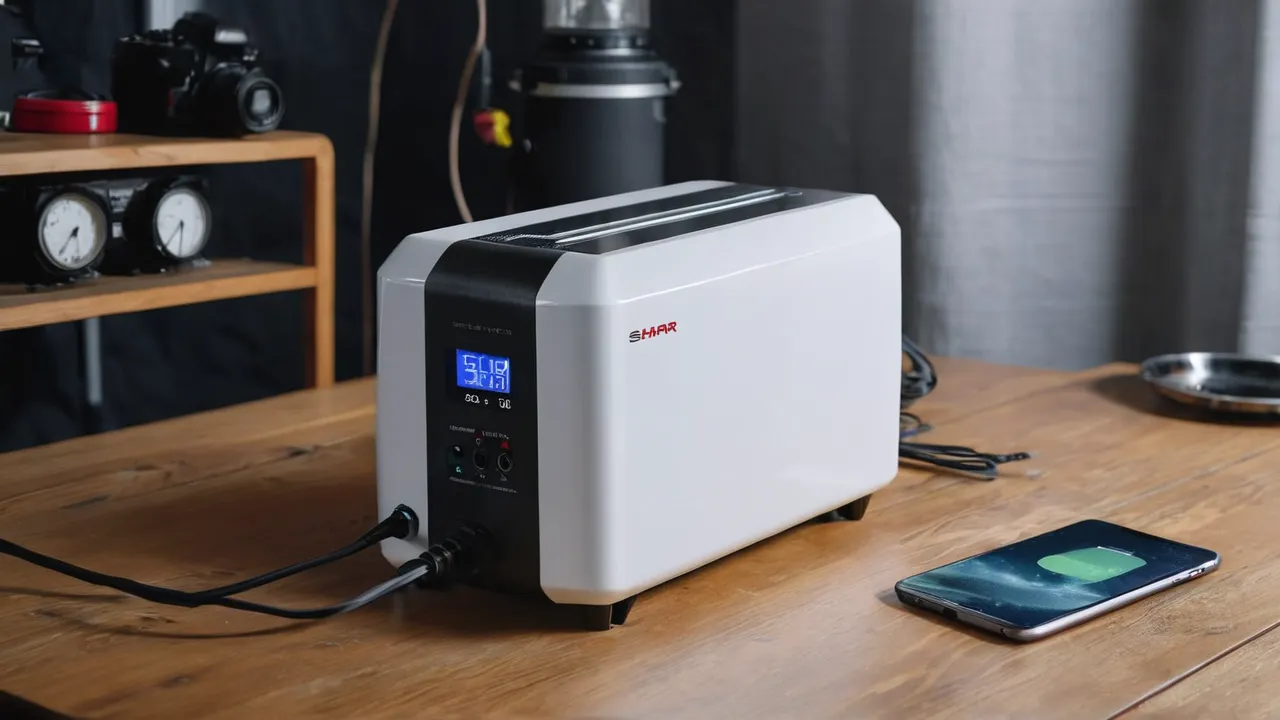
A portable power station can run a refrigerator if its output covers the compressor’s starting surge and its capacity covers the fridge’s daily energy use. Most household refrigerators need a few hundred watts to run and noticeably more to start, so a station with at least about 1,000 watts of continuous output and 1,000 to 2,000 watt hours of capacity can keep one going for roughly a day. Check your own label for exact figures.
Why Refrigerator Claims Disagree
Product pages often say a station runs a refrigerator for a certain number of hours, and the numbers differ widely. Those claims depend on assumptions: the size and age of the fridge, whether the door is opened, room temperature and whether the claim counts inverter losses. A small, modern refrigerator may use far less than an older or larger one. A compressor runs on and off, so the average draw is much lower than the nameplate maximum.
That is why you should calculate for your own refrigerator, not rely on a general claim. Two methods give you the key numbers.
Method: Convert the Label to a Daily Number
Look for the yellow energy label or the data plate on the inside wall. The label usually states yearly energy use in kilowatt hours. Divide by 365 to get daily kilowatt hours, and multiply by 1,000 for watt hours. For example, a refrigerator labeled at about 450 kilowatt hours per year uses about 1.23 kilowatt hours, or about 1,230 watt hours per day. If there is no label, look at the data plate for amps and volts, multiply them to get running watts and assume the compressor runs about a third to half of the time, or measure with a plug-in power meter over 24 hours.
Add the other items you plan to run, such as a router and a few lights, and add 15 to 20 percent for inverter losses.
Method: Check the Compressor Surge
When the compressor starts, it draws more than its running power, often several times as much for a fraction of a second. Check the power station’s surge rating, and compare it with the refrigerator’s starting draw, which may be listed in the manual or measured with a meter that records peaks. If the data is unavailable, choose a station whose continuous output is at least two to three times the running watts of the fridge, and whose surge rating is higher still. A station that is too small may trip off when the compressor starts.
Pure sine wave output is preferable for compressors. Check the product page for the waveform.
If you want to measure the surge, borrow or buy a plug-in power meter that records peak watts. Plug the refrigerator in, wait for the compressor to start and read the maximum. Compare it with the power station’s surge rating, and with the continuous rating for the average. Most modern efficient refrigerators with inverter compressors start more gently than older models, which is helpful on battery power. Check the manual or ask the manufacturer if you are unsure.
Putting It Together: Runtime Estimate
Use this formula: runtime in hours equals usable watt hours divided by the average watts, with a margin for losses. For a refrigerator using about 1,200 watt hours a day, a station with 2,000 watt hours of capacity should last roughly 1.4 days, and with the other loads and losses, perhaps a day. Real life varies. Keep the door closed, and place the refrigerator out of direct heat.
Do not drain the battery to zero. Plan to recharge when the battery reaches 20 percent, or as the manual suggests.
Run through the calculation with real numbers. Suppose your refrigerator label says about 500 kilowatt hours per year. That is about 1.37 kilowatt hours a day, or 1,370 watt hours. Add a router at 15 watts for 24 hours, 360 watt hours, and you reach about 1,730 watt hours. Add 15 percent for inverter losses and you need about 2,000 watt hours a day. A power station with 2,000 watt hours of usable capacity covers one day, and one with 1,000 covers about half a day. Compare with your outage history and decide whether you want a day, two days or more. Each extra day needs more battery or a way to recharge.
Food Safety Matters More Than Runtime
Food safety guidance from the USDA says that a refrigerator keeps food cold for about four hours during a power outage if the door stays closed, and a full freezer holds temperature for about 48 hours, or about 24 hours if half full. Food in the refrigerator should be at 40 degrees Fahrenheit or below. A power station that runs the fridge only part of the day can still protect food if you run it long enough to keep temperatures cold, and a thermometer inside lets you check. When in doubt, follow official food safety guidance and discard food that has been above 40 degrees for more than two hours.
Recharging Through a Multi-Day Outage
For outages longer than a day, you need a way to recharge. Options include solar panels, a vehicle charging cable if the station supports it, or a generator, used outdoors only. Solar panel output depends on weather and sun angle, and a typical panel may add only a few hundred watt hours a day in poor conditions. See the solar generator category for kits designed for this. Alternate between running the fridge from the station and recharging when the sun is out, and avoid opening the fridge more than necessary.
Plan a schedule if the outage is long. One approach is to run the refrigerator from the station during the evening and night, recharge during the day from solar or a vehicle, and open the refrigerator only briefly at set times. Another is to run the refrigerator directly from a small generator for a few hours a day to chill it, outdoors only, and keep it cold on battery the rest of the time. Keep a thermometer inside, and keep the freezer full, since frozen items help the refrigerator hold cold.
Who This Works For, and Who Should Skip
A power station works for people with one standard refrigerator, short outages and a few other small loads. It also works well for chest freezers and small refrigerators. Consider skipping it if you have a large side by side model plus a separate freezer and want to run them for days with no solar, or if you also need to run a well pump or air conditioning. In that case, a generator or home battery is more suitable.
Think about the loads beyond the fridge. If you also need a sump pump, a medical device or heat, add those loads before choosing a size. Medical devices should be discussed with the device maker and your doctor, and may need a dedicated backup solution rather than a general purpose power station.
Safety Basics
Never charge or store damaged, swollen or hot battery packs. Keep the unit in a dry, ventilated spot away from heat sources, and do not cover its vents. Use heavy duty, outdoor rated cords and keep cords out of walkways. Use the charger provided. Do not plug the station into a wall outlet to feed the house.
Common Mistakes With Refrigerators on Battery Power
- Relying on a manufacturer claim instead of the refrigerator’s own label.
- Ignoring the surge, which makes the station shut off.
- Adding too many other loads.
- Opening the door often.
- Letting the battery run to zero.
- Placing the station in a hot space.
Chest Freezers, Mini Fridges, and Older Models
Chest freezers hold cold well because cold air stays in when the lid opens, and many use less power than uprights. Mini fridges are easy to run on small stations. Older refrigerators use more energy and may have higher surges, so measure them. If you are not sure, use a plug-in meter. See the portable power station category and how we review.
Frequently Asked Questions
How many watts does a refrigerator need to run on a power station?
Most refrigerators run at roughly 100 to 300 watts and draw several times that for a moment at startup. Choose a station with continuous output well above the running watts and a surge rating above the starting draw. Check your label or a plug-in meter.
How long can a 1,000 watt hour power station run a refrigerator?
Often around 12 to 24 hours for an efficient modern model, depending on its daily energy use and inverter losses. Divide usable watt hours by the refrigerator’s average watts, and keep the door shut. Your fridge may differ, so measure it.
Will a power station keep my food from spoiling?
It can, if it keeps the refrigerator running through the outage and you limit door openings. Without power, food stays cold about four hours in a closed refrigerator and about 48 hours in a full freezer, according to USDA guidance.
Can I run a refrigerator and a freezer together?
Sometimes, if the station has enough output and capacity for both, plus startup surges. Add their daily watt hours and check the surge for each. If both start at once, the combined surge may trip the unit, so stagger them if possible.
Final Thoughts
Check the label, convert to daily watt hours, confirm the surge and compare with the station’s output and capacity. Keep the door shut, plan how to recharge and follow food safety and battery safety guidance. For long outages or large loads, consider a generator or home battery.
Related buying guides
- How to Charge a Portable Power Station Faster
- Can You Fly With a Portable Power Station
- How Long Do Portable Power Stations Last
About the author

The BuyOnceChoice Editorial Team researches durable products worth buying once. Our guides compare published specifications, warranty terms, expert review consensus, and verified owner feedback. We do not conduct our own product trials. See How We Review and our Editorial Policy for our standards.