Can You Fly With a Portable Power Station
Most full-size power stations exceed the airline limit for lithium batteries. See the watt-hour tiers, how to calculate yours, and travel alternatives.
 By BuyOnceChoice Editorial Team
Updated November 16, 2026
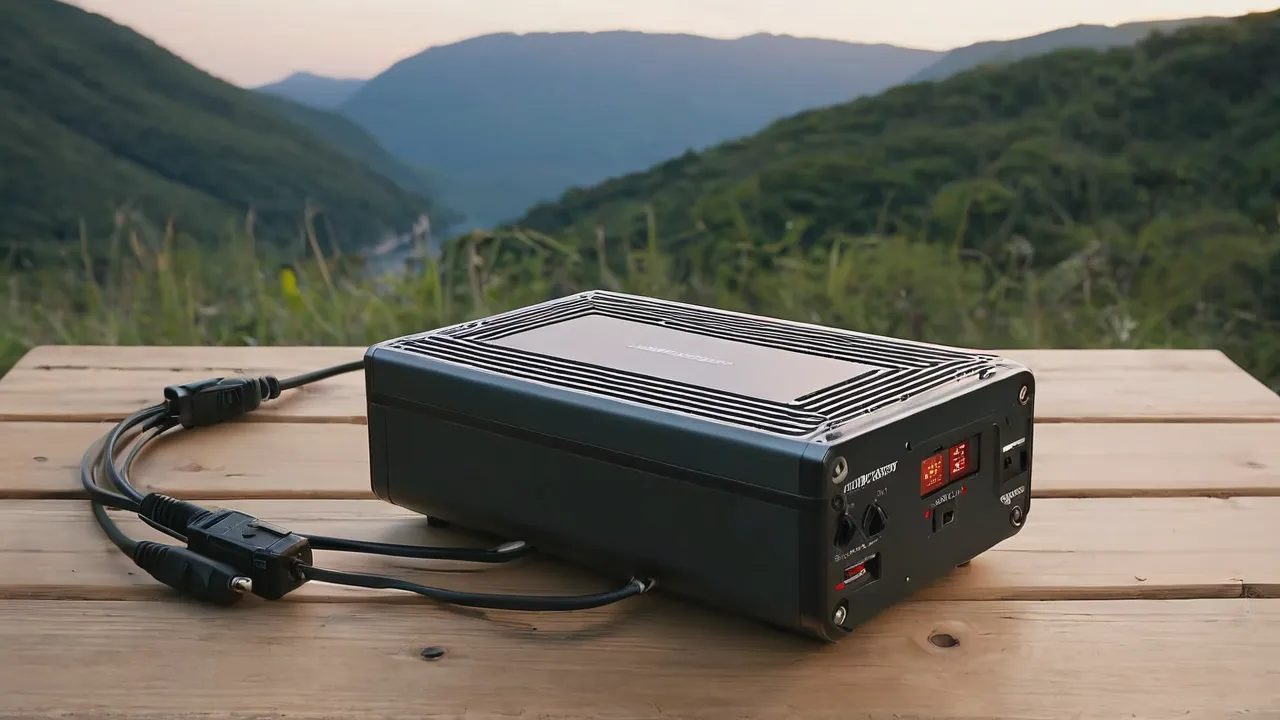
In most cases you cannot fly with a portable power station. Airline and federal rules limit lithium batteries to 100 watt hours without special approval and to 160 watt hours with airline approval, and most power stations hold far more than that. Check the watt hours printed on the unit, then check your airline’s current policy and official TSA and FAA guidance before packing anything.
The Watt-Hour Limits Behind the Rule
Aviation safety rules treat lithium batteries by their energy rating, in watt hours. As commonly published by the FAA and TSA for passenger flights, spare lithium ion batteries up to 100 watt hours are generally allowed in carry-on bags, batteries from 101 to 160 watt hours require airline approval and are limited in number, usually two spares, and batteries above 160 watt hours are not allowed on passenger aircraft at all. Spare batteries must be in carry-on baggage, not checked baggage, with terminals protected.
The reason is fire risk. A lithium battery that fails can enter thermal runaway, and in the cargo hold of an aircraft such a fire is hard to fight. The larger the battery, the more energy is available to feed a fire. Rules can be updated and airlines may be stricter than the federal minimum, so always read current official guidance for your route and airline before you travel.
Why This Rules Out Most Power Stations
A portable power station is a large lithium battery with an inverter and outlets. Even the small ones usually hold several hundred watt hours, which is above the 160 watt hour ceiling. Mid size units hold 500 to 1,000 watt hours or more, and large units hold several kilowatt hours.
Because a power station is one battery pack, you cannot split it into compliant parts, and you cannot remove the battery from a sealed unit. The device also counts as a battery powered appliance, and airline staff will check the rating on the label. If the label shows more than 160 watt hours, you should assume it cannot go on the plane, in a carry-on or a checked bag.
Look at typical numbers to see how far over the limit most units are. A compact portable power station advertised as small often holds around 250 to 300 watt hours, which is already above 160. A mid range unit holding 500 to 1,000 watt hours is three to six times over. A home backup size unit with 2,000 watt hours or more is more than twelve times over. Even a unit sold for camping and described as lightweight will typically be over the limit. The only products that fit are power banks, which are small batteries without a large inverter and outlet set. If a listing does not show watt hours clearly, look at the specifications page or the label on the unit.
Common Misunderstandings
- Checking it in the hold: spare lithium batteries are generally not allowed in checked baggage, and large batteries are prohibited altogether.
- Turning it off or draining it: the rating is based on capacity, not charge level. A drained battery is still over the limit.
- Believing a smaller inverter rating helps: the rule is based on watt hours, not on output watts.
- Assuming the airline approval covers any size: approval covers the 101 to 160 watt hour range, not larger packs.
- Relying on a friend’s experience: staff discretion and updated rules can change outcomes, and a unit that passed once may be refused next time.
What You Can Do Instead
Think about what you need the power for, since the best substitute depends on the use. For a multi day trip with a few small devices, two or three compliant power banks may be enough, and the limit on number applies to larger ones, so check the airline’s rules for how many you can carry. For a medical device, speak with the device maker and the airline in advance, because medical batteries have separate rules and the airline may need notice. For a work trip with camera gear, ask the production or rental company about batteries that fit airline limits, since camera batteries are usually well under 100 watt hours.
Choose a Compliant Small Battery
If you only need to charge phones, cameras and a laptop, a power bank under 100 watt hours is allowed in carry-on bags on most airlines. Check the label for the watt hour figure. If the label gives only milliamp hours and volts, calculate watt hours as described later in this guide.
Buy or Rent at Your Destination
For camping or events, consider buying a power station at the destination, or renting one if rentals are available locally. Some outdoor stores and equipment rental companies offer them. You can also ask the campground or host about power access.
Ship It Through an Approved Carrier
Lithium batteries are regulated as dangerous goods when shipped. Large batteries often require special packaging, labeling and a carrier that accepts them, and many carriers do not. If you want to ship one, read the manufacturer’s guidance and the carrier’s dangerous goods rules, and expect restrictions on air shipment. Ground shipping may be possible, and the shipper is responsible for compliance.
Drive Instead
If you are traveling a moderate distance, driving avoids air restrictions. In the car, keep the unit in a cool, ventilated place out of direct sun, not in a hot trunk, and secure it so it cannot slide. Do not leave it in a parked car in extreme heat or cold.
Use Solar and Small Packs
For light needs, a foldable solar panel with a compliant small battery can charge devices through the day. This is a lighter option, and the solar panels themselves are not restricted like lithium batteries.
What About the Car-Camping Alternative?
If you plan a car camping trip after flying, rent a car and buy or rent a power station near your destination. Some travelers buy a unit at their destination and donate or resell it afterward. See the portable power stations category for options by capacity.
How to Calculate a Battery’s Watt-Hours
If the label shows watt hours, use that number. If it shows amp hours and volts, multiply them. A battery marked 20 amp hours at 12 volts holds 240 watt hours. If the label shows milliamp hours, divide by 1,000 first. A 10,000 milliamp hour power bank at 3.7 volts is 10 amp hours times 3.7, which is 37 watt hours. Use the nominal voltage on the label. If you cannot find the rating, assume the battery is not allowed until you confirm it with the maker or airline.
Safety at the Airport and in Transit
Never charge or store damaged, swollen or hot battery packs, and do not bring them to the airport. Keep terminals covered or batteries in their original packaging or a protective pouch. Carry them in the cabin where crew can respond if one overheats. Tell the airline staff if you are unsure about a battery, and follow instructions. In a car, keep the unit away from heat and secure. For more on our approach, see how we review and the power and energy section.
Prepare your carry-on before you leave home. Put each battery in a separate pouch or tape over exposed terminals, keep batteries out of tightly packed spaces where something can press on them and keep a note of each battery’s watt hours in your bag. If a screener asks, you can show the label and the number. If a battery is damaged, swollen, hot or leaking, do not travel with it. Replace it, and dispose of it at a battery recycling location rather than in household trash.
Who Should Do What
- Business traveler needing phone and laptop power: a compliant power bank in carry-on.
- Camper flying to a destination: rent or buy locally, or drive.
- Photographer or film crew: ask the airline in advance and use batteries within the allowed ratings, or ship through a carrier approved for dangerous goods.
- Someone moving a power station long distance: ground transport or a dangerous goods carrier.
Frequently Asked Questions
Can I bring a portable power station on a plane?
Almost never. Most units exceed the 160 watt hour limit that applies to lithium batteries on passenger aircraft, and between 100 and 160 watt hours needs airline approval. Check the label, then check your airline and official TSA and FAA guidance before packing.
What is the largest battery allowed on a plane?
For passenger flights, the commonly published limit is 160 watt hours per battery, with airline approval needed above 100 watt hours, and a limit of two spares. Larger batteries are not allowed, so confirm current rules with your airline.
Can I put a power station in checked luggage?
No, generally not. Spare lithium batteries are not allowed in checked baggage, and large batteries are prohibited on passenger aircraft entirely. Do not hide a unit in a suitcase. Ship it through an approved dangerous goods carrier or leave it behind.
How do I convert amp hours to watt hours?
Multiply amp hours by the battery’s nominal voltage. For example, 20 amp hours at 12 volts equals 240 watt hours. For milliamp hours, divide by 1,000 first, then multiply by voltage. Use the figures printed on the label.
Final Thoughts
Plan on leaving your power station at home when you fly, because most units exceed airline limits. Use a compliant small power bank, rent or buy at your destination, ship through an approved carrier or drive. Confirm current official rules and follow battery safety guidance.
Related buying guides
- How Long Do Portable Power Stations Last
- How to Choose a Portable Power Station
- LiFePO4 vs Lithium Ion Power Stations: Which Lasts
About the author

The BuyOnceChoice Editorial Team researches durable products worth buying once. Our guides compare published specifications, warranty terms, expert review consensus, and verified owner feedback. We do not conduct our own product trials. See How We Review and our Editorial Policy for our standards.