How to Store a Portable Power Station Long Term
Storing a power station well comes down to charge level, temperature, and a recharge routine. Here is a plan for the off season and emergency kits.
 By BuyOnceChoice Editorial Team
Updated November 16, 2026
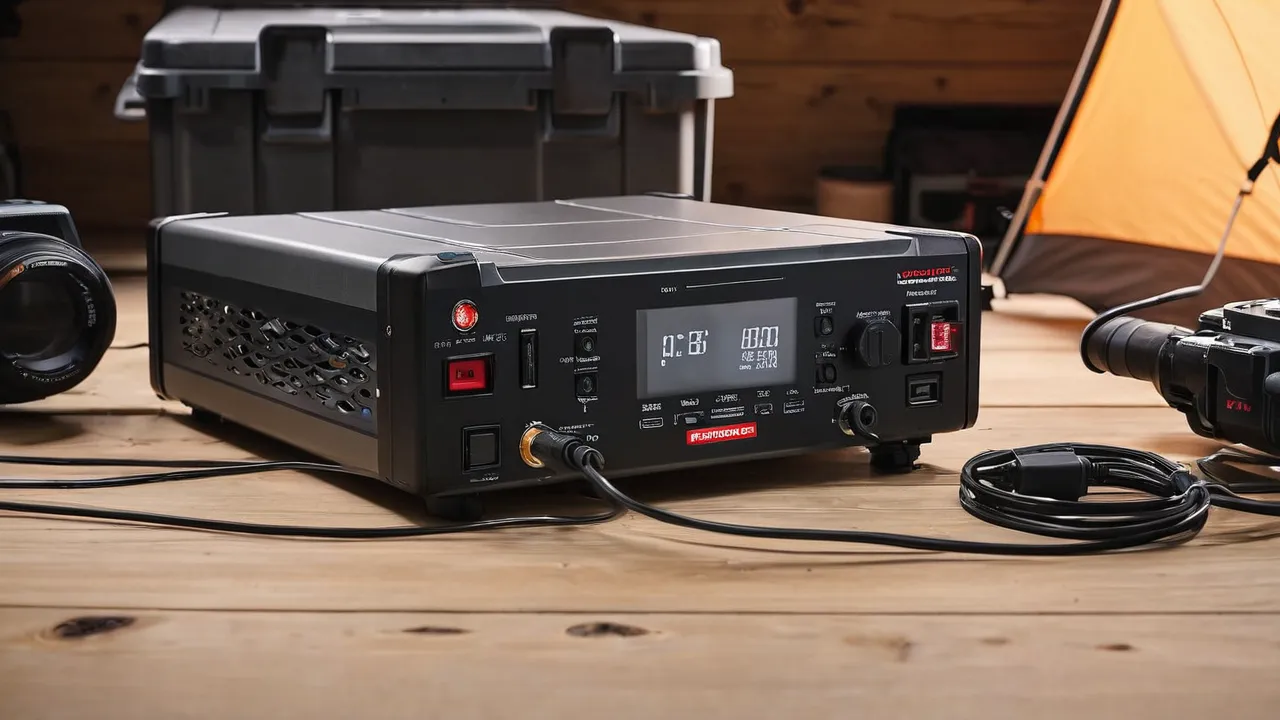
To store a portable power station long term, charge or discharge it to the storage level your manual recommends, which is usually somewhere between about half and most of a full charge, switch off all outputs, unplug everything, and keep it in a cool, dry place within the stated temperature range. Then check the charge every two to three months and top it up, so the battery never sits empty and the unit never sits fully charged in the heat for months.
Competitors mention storage only in passing, so this guide covers the charge level, the location, preparation steps, a recharge schedule, and seasonal swings, with a short safety section. The numbers are general patterns, so your manual comes first. Browse our portable power stations category for models, visit the power and energy section for related guides, and read how we review for how we treat specifications.
Why Storage Habits Matter for the Battery
Lithium batteries age even when they sit idle. Heat speeds that aging, and so do extreme charge levels: a battery held at full charge in a warm room wears faster than one held at a moderate charge in a cool room. At the other extreme, a battery left empty can fall to a voltage where protection circuits lock it out, and in some cases it cannot be recharged.
Power stations also drain on their own. The battery management system, the display, and standby circuits draw a small amount even when the unit is off, and over months that adds up. A unit stored at a moderate charge with no check can reach empty before the next outage. That is why storage is a routine, not a one-time action.
Picking a Charge Level Before You Shelve It
Many manuals recommend storing at a partial charge, often described as roughly half to most of a full charge, depending on the chemistry. Lithium iron phosphate units are often more tolerant of high charge in storage than nickel-based ones, but the manual of your model has the final word. If it gives a percentage, use it. If it does not, ask the manufacturer in writing before the first long shelf period.
If you want the unit ready for emergencies, a higher charge level may make sense, with more frequent checks. If the unit will sit for many months, a lower storage level with periodic top-ups is gentler. Pick the level based on how soon you may need it.
Where to Keep It
Choose a cool, dry, ventilated place within the storage range in the manual, away from direct sun, heaters, and freezing temperatures. A closet in the living space works better than an attic, a hot garage, or a car trunk. Avoid damp basements and anywhere water can reach. Keep it away from fuel cans, solvents, and other flammables, and out of reach of children and pets.
- Good: interior closet, under a bed, a cabinet in a climate-controlled room.
- Poor: attic, unheated shed in a cold climate, vehicle trunk, near a furnace or water heater.
- Raise the unit off the floor in case of flooding, and keep the vents clear.
Prepare the Unit Before Storing
- Turn off the inverter and all outputs, including DC and USB ports.
- Unplug cables, solar panels, and adapters, and store them with the unit.
- Clean the case and ports with a dry cloth, and let any moisture dry fully.
- Charge or discharge to the storage level.
- Check for damage, swelling, or odd smells, and do not store a damaged unit.
- Note the date and the charge level on a label or in a log.
Leave the unit in its box or a padded bag to keep dust out, but do not seal it in an airtight container with no airflow if the manual advises ventilation.
A Recharge Schedule You Can Follow
Check the charge every two to three months, or on the interval the manual states. If the level has dropped below the lower end of the storage range, top it up to the storage level. Do not charge to full and leave it there, unless the manual says it is fine. After a top-up, turn the unit off again and record the date.
| When | What to do |
|---|---|
| Day of storage | Set the storage charge level, turn off, log the date |
| Every two to three months | Check the level and top up if needed |
| Before storm or trip season | Charge fully, run a light load through the ports, and check cables |
| After use | Recharge to the storage level, unless you will use it again soon |
A Worked Example
Suppose a unit loses about two percent of its charge per month in storage, according to your own log. Stored at sixty percent in March, it would sit near fifty-four percent by June, which is still safe. If your log shows five percent a month, it would drop to about forty-five percent by June, and you would top it up sooner. Your own numbers will differ. The point is to measure the drain once, then set the check interval to match.
Cold, Heat, and Seasonal Swings
Heat is the bigger long-term enemy, but cold matters too. Do not charge a lithium battery below freezing unless the manual says the unit can do it, and let a cold unit warm to room temperature before charging. If winter storage is in an unheated space, check the manual’s lower storage limit, and consider moving the unit indoors. In summer, avoid hot garages and parked vehicles. Large daily swings in temperature can also cause condensation, so keep the unit dry.
Common Storage Mistakes
- Storing the unit fully charged in a hot garage all summer.
- Leaving it nearly empty and forgetting it for most of a year.
- Leaving the inverter on, which drains the battery much faster.
- Storing it with panels and cables attached, which can drain or damage connectors.
- Never checking it until the day of the outage.
A phone reminder every two or three months is the simplest fix for the last one, and it handles most of the others by prompting a quick look.
Long Shelf Periods and What to Ask the Maker
If you will store a unit for a year or more, ask the manufacturer for its guidance on storage charge level, maximum time between top-ups, and whether the battery can recover from deep discharge. Ask how the maker handles claims for a battery that fails after long storage, since some warranties require periodic charging and may exclude damage from neglect. Keep the original box and packing, along with the receipt, in case of a claim. For units stored by a business or a household that rarely uses them, consider a yearly full cycle, discharging to a moderate level and recharging, if the manual allows it, to keep the cells active.
Getting Ready for the Day You Need It
Before a storm or trip, bring the unit to a comfortable room temperature, charge it to full, and run a light load for a few minutes to confirm that the outlets, display, and fans behave normally. Check cords and adapters, and lay out solar panels if you plan to use them. Update your log with the date. This ten-minute routine turns a stored unit into a ready one, and it exposes problems while you can still fix them.
Safety and Who Should Do What
Never store a damaged, swollen, or leaking unit. Keep it away from heat and flammables, and follow local rules for disposing of old lithium batteries. Do not open the case. If something smells or looks wrong when you check on it, stop and contact the manufacturer.
- Emergency backup owners: higher storage charge, checks every two months, and a short trial run with a small load each season.
- Seasonal users, such as campers: lower storage charge, checks every three months, and a full charge before the first trip.
- Owners in hot climates: store indoors, and check more often.
- Owners in cold climates: store indoors, and warm before charging.
Frequently Asked Questions
What charge level should I store a power station at?
Follow your manual. Many recommend somewhere around half to most of a full charge, rather than full or empty. If the manual gives no number, ask the manufacturer. Avoid leaving the unit fully charged in a hot place or letting it drain to empty.
How often should I recharge a stored power station?
Check it every two to three months, or on the schedule in the manual, and top it up if the charge has dropped below the storage range. Measure how fast your unit drains in storage, and adjust the interval so it never reaches empty.
Can I leave a power station plugged in all the time?
Some units support it and some do not. Constant full charge in a warm place can shorten battery life, and the manual may recommend a charge limit or warn against continuous use. If you want an always-ready backup, check for a charge limit setting and a stated UPS mode.
Final Thoughts
Long-term storage is simple if you set it up once: charge to the level in the manual, switch everything off, keep it cool and dry, and check it every few months. A short log and a calendar reminder protect a battery that costs far more than the time it takes.
Related buying guides
- Watts vs Watt Hours: Power Station Specs Explained
- What Size Portable Power Station Do I Need
- Can a Portable Power Station Power a House
About the author

The BuyOnceChoice Editorial Team researches durable products worth buying once. Our guides compare published specifications, warranty terms, expert review consensus, and verified owner feedback. We do not conduct our own product trials. See How We Review and our Editorial Policy for our standards.