Pass Through Charging: What Matters on a Power Station
Learn what charge-while-use really does, how it differs from true UPS switchover, when it helps solar and camping, and which spec sheet details to check.
 By BuyOnceChoice Editorial Team
Updated November 16, 2026
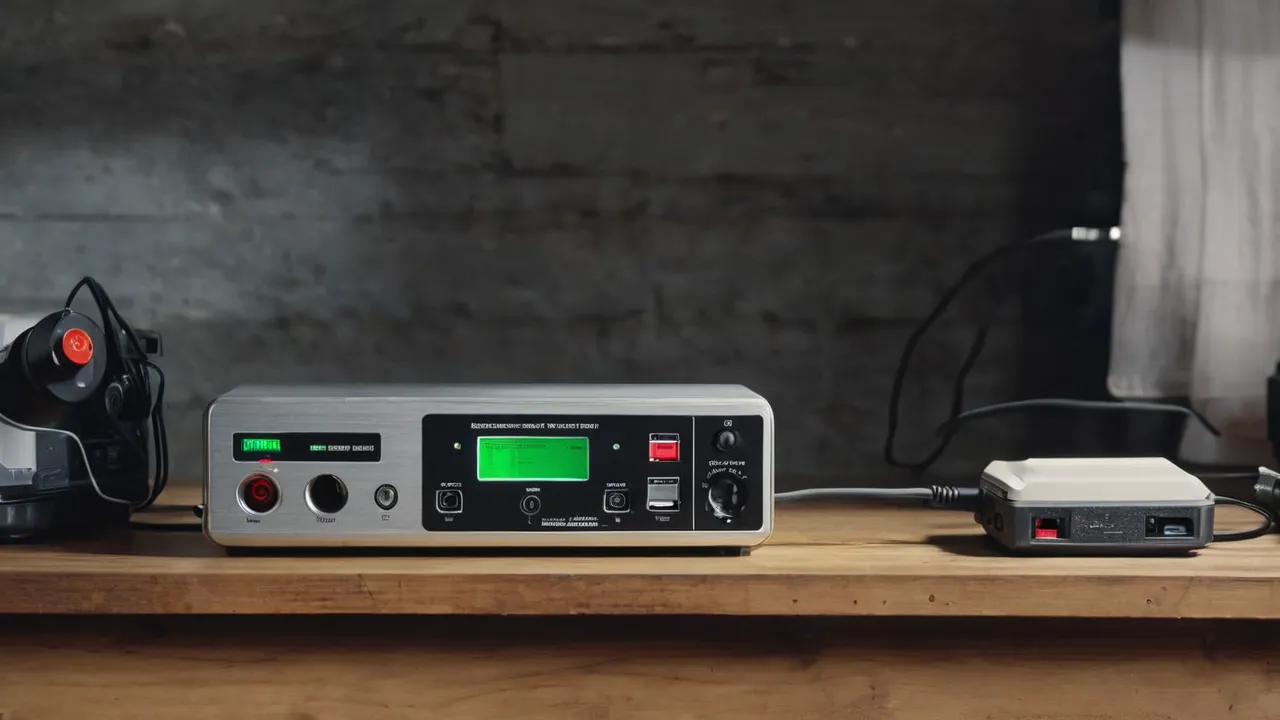
Pass-through charging on a power station means the unit can power your devices while it is also being charged from the wall, solar, or a vehicle, so the battery is not the only thing feeding the load. Some stations route wall power straight to the outlets and charge the battery only with what is left over, while others split the work less cleanly, which can add heat and wear. A unit that also switches to battery within milliseconds when the wall power drops is advertising UPS or EPS mode, which is a separate feature.
This guide explains the difference, when pass-through is useful, when it is a poor idea, and a checklist for judging the feature on a spec sheet. Most claims come from the manual, not independent measurement, so read the fine print. Browse the portable power stations category for models, see home battery backup systems for fixed alternatives, read How We Review for our approach, and visit the power and energy hub for related guides.
What Pass-Through Charging Actually Is
Every power station has a battery, an inverter, and a charger. In simple pass-through, the charger and the inverter run at the same time. Wall power goes through the charger to the battery, and the inverter draws from the battery to the outlets. The battery sits in the middle, getting charged and discharged at the same moment. That is why many manuals warn about heat and reduced life.
Better designs add a bypass path. When bypass is active, the wall power is sent directly to the outlets and the battery is isolated, so the battery is neither charging nor discharging heavily. Manuals describe this with names such as bypass, grid-priority, or UPS mode. If the manual does not describe the path, assume the simple battery-in-the-middle design, and plan for the heat.
Pass-Through Versus UPS or EPS Mode
A true uninterruptible power supply switches to battery so quickly that connected electronics do not notice the wall power dropping. Stations that advertise UPS or EPS mode usually state a switchover time in milliseconds. Many desktop computers and network devices ride through brief gaps, but sensitive or medical equipment may not, so read the number and the manufacturer’s guidance.
Pass-through
Pass-through alone gives no promise about switchover. If the wall power fails, some units will keep powering the outlets from the battery, and some will cut the outlets for a moment, turning off a router or a desktop computer. The manual may say which behavior applies, and some units require a specific outlet or setting.
UPS or EPS mode
UPS or EPS mode states a switchover time and keeps the battery topped up at a high level, ready to take over. That readiness means the battery is held near full all the time, which can accelerate wear if the cells dislike high charge and heat. Some units let you set a charge limit to protect the cells, and some do not. Look for that setting if you plan to keep the unit plugged in for months.
When Pass-Through Is Useful
- A multi-day outage when you want to run a refrigerator from solar while topping off the battery.
- A camper or work trailer where shore power is intermittent and you want devices to keep running.
- A home office where a brief power flicker should not reboot a router or a computer, if the unit has a stated switchover time.
- A workshop where you want the station to carry a load while charging between jobs.
In each case, the load plus the charging power must stay within the unit’s limits. If the charger is drawing close to its maximum from the wall and the outlets are drawing close to the inverter’s maximum, the total from the wall can exceed what your circuit breaker allows, so check the numbers.
When It Is a Poor Idea
Avoid continuous pass-through in hot spaces, in enclosed cabinets, or at high loads, because heat is the main enemy of lithium cells. Avoid it for life-support or critical medical devices unless the manufacturer explicitly rates the unit for that use, and even then keep a second backup plan. Do not use it as a permanent replacement for a fixed uninterruptible power supply on valuable equipment unless the specifications support continuous operation.
If the manual says the unit should not be used while charging, or the display shows reduced output during charging, follow that. Some stations reduce output or cut off the inverter when charging at high rates. Others limit pass-through to the USB and DC ports and not the AC outlets.
Battery Wear, Heat, and a Spec Checklist
The battery wears with each cycle and with time spent at high temperatures and high charge. Simple pass-through can put small charge and discharge cycles on the battery all day, and the heat from running the charger and the inverter together adds to it. Better designs reduce this with a bypass path and a charge limit. That is why the manual is the best evidence, and why advertising language like seamless is not enough.
- Does the manual describe pass-through or bypass and name the outlets that support it?
- Is there a stated switchover time, and which mode must be enabled?
- Can you set a maximum charge level for long-term plug-in use?
- Are there limits on output while charging?
- Does the unit state a continuous operating temperature range?
- Does the warranty exclude use as a continuous UPS?
A Worked Example
Say you want to keep a router, a small desktop, and a monitor running through short outages, drawing about 150 watts in total. A station with pass-through, a stated switchover in the low tens of milliseconds, and a charge limit setting is a reasonable fit. At 150 watts the inverter and charger run cool, the battery sits at a chosen level, and the unit covers many hours if the power goes out. If the same unit was powering a 1,000 watt space heater while charging, it would be hot, noisy, and possibly cut off, and that is a poor use of the feature. Check the numbers in your manual.
Solar and Vehicle Pass-Through
Solar input behaves differently from wall input. Panels deliver variable power, so a station feeding a load from solar may see the sun fade and the load shift onto the battery. A cloud passing over the array is enough. Check whether the unit smooths this transition, and whether it keeps powering the outlets when solar drops to zero. Vehicle charging through a twelve volt socket is usually slow, so the load you can carry while charging from a car is small. Read the input table in the manual, and do not assume that all three input types support pass-through equally.
Keep in mind the circuit limit when you combine inputs. A station that accepts wall power and solar at the same time may be rated for a combined input maximum, and exceeding it can reduce charging speed or trip a protection. If you plan a hybrid setup, write the numbers down before buying.
Pass-Through Versus a Dedicated UPS or Home Battery
A dedicated uninterruptible power supply is designed to sit plugged in for years and to switch over quickly, and it is usually smaller in capacity. A home battery backup system is installed in the electrical panel and handles whole circuits. A power station sits in between and is best used for flexible and portable needs. If your priority is protecting a desktop and network gear, a dedicated unit or a station with a clear UPS rating is better. For whole-house circuits, use a professionally installed system.
Safety matters. Do not plug a power station into a house outlet to feed the home, and do not use it to power household wiring without a transfer device installed by a licensed electrician. Keep the unit in ventilated space, follow the manual for cord ratings and charge limits, and stop using it if it smells, swells, or gets unusually hot.
Frequently Asked Questions
Is it bad to use a power station while it is charging?
Not inherently, but it adds heat and wear in simple designs. Units with bypass and charge limit features handle it better. Check the manual for whether pass-through is supported, which outlets work during charging, and any output limits. Avoid heavy loads and hot spaces while charging.
Can a portable power station work as a UPS?
Only some can. Look for UPS or EPS mode with a stated switchover time, and read the manual on which outlets and loads are covered. Many units advertise it for computers and networking gear but not for medical equipment. When in doubt, ask the manufacturer in writing.
Does pass-through charging damage the battery?
It can shorten battery life if the unit runs hot or sits at full charge continuously, because heat and high voltage age lithium cells faster. Designs with bypass, cooling, and a charge limit reduce the effect. Follow the manual, keep the unit cool, and avoid permanent heavy use.
Final Thoughts
Pass-through charging is useful for outages, camping, and light office loads, and it is a poor fit for hot, heavy, or life-critical use. Look for a manual that describes bypass, a stated switchover time, and a charge limit. When your needs are fixed and critical, choose equipment built for that job and have a licensed professional connect it.
Related buying guides
- Portable Power Station Cold Weather Guide
- Portable Power Station Safety Checklist
- Power Outage Preparedness Checklist for Backup Power
About the author

The BuyOnceChoice Editorial Team researches durable products worth buying once. Our guides compare published specifications, warranty terms, expert review consensus, and verified owner feedback. We do not conduct our own product trials. See How We Review and our Editorial Policy for our standards.