Hand Tool Care: Preventing Rust and Extending Tool Life
Garage humidity rusts steel tools fast. Learn storage habits, moisture control and quick rust removal so your wrenches and chisels stay in working order.
 By BuyOnceChoice Editorial Team
Updated November 16, 2026
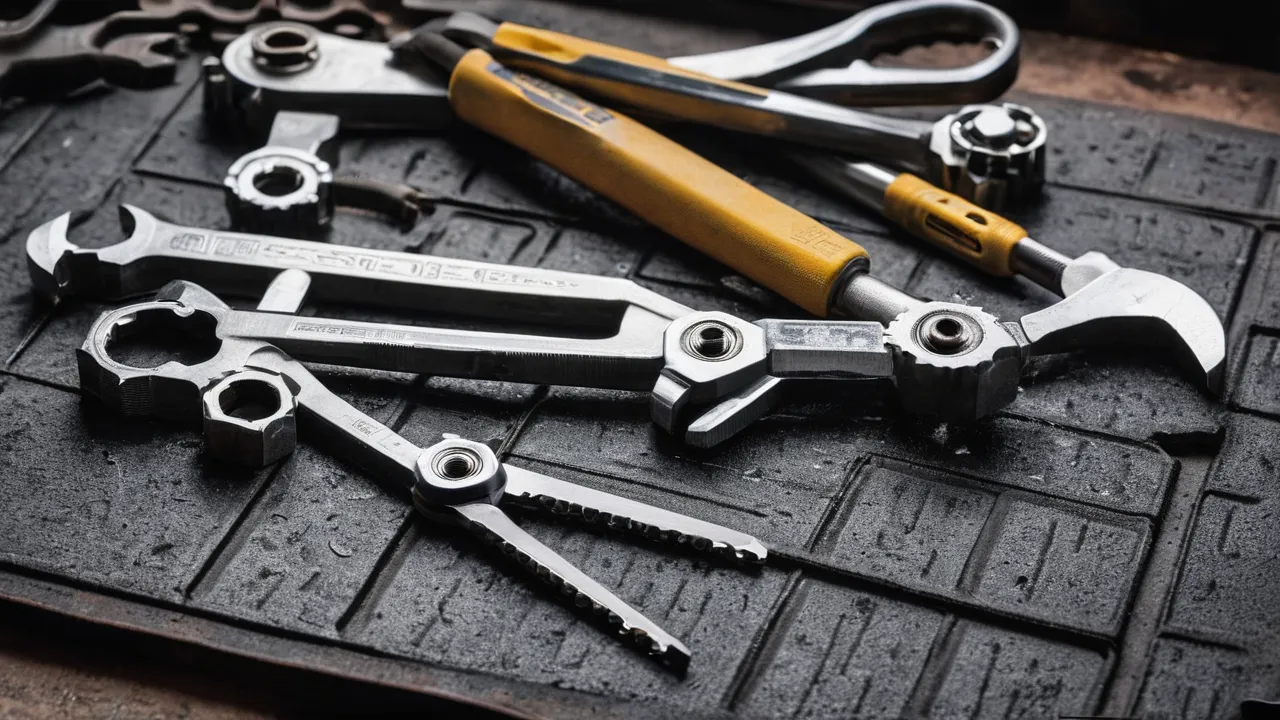
To prevent rust on hand tools, keep them dry and clean, store them in a closed container or drawer with a moisture absorber, wipe them with a light protective oil after use, and control humidity in the garage. When rust appears, remove it early with a mild acid soak or an abrasive pad and protect the bare steel right away. This guide gives the steps and a seasonal schedule.
Why garage tools rust
Rust forms when iron and steel meet oxygen and moisture. A garage swings through temperature changes, and cool tools in warm, humid air attract condensation. Wet shoes, damp concrete and an open garage door add moisture. Fingerprints leave salts that speed corrosion, and some cleaning products leave residues that attract water. Even stainless steel can stain in the wrong conditions.
Condensation is the main trigger. On a cold morning, tools and concrete are cool, and when warmer air enters, water forms on the metal. The effect shows up after a rainy week or at a change of season. Tools that sit in a car trunk or truck bed suffer more, because a vehicle heats and cools quickly. Knowing the cause helps you choose where to store things and when to check them.
Control the environment
Keep the garage as dry as reasonably possible. Seal leaks, use a dehumidifier if you have power, and add ventilation. Store tools off the concrete floor, which wicks moisture. A small hygrometer shows humidity so you can see problems before rust appears. Avoid hanging tools near the door or on exterior walls that sweat in cold weather.
Air movement helps. A small fan that runs for a while after the door has been open dries surfaces and keeps humid pockets from forming. If you cannot run a dehumidifier, a rechargeable desiccant canister in a closed cabinet can protect a modest collection. Humidity cards cost little and show when to recharge or replace the absorber.
Storage that protects
A closed toolbox or cabinet slows moisture exchange. Add desiccant packs or rust-inhibiting paper and replace them as the maker directs. Vapor corrosion inhibitor emitters protect enclosed spaces. Tool rolls and drawer liners separate tools so they do not scratch one another. Avoid leaving tools in a vehicle trunk or a shed with big temperature swings.
- Dry tools before storing them, especially after outdoor use.
- Use drawer liners that do not trap moisture.
- Keep silica gel or a similar absorber in toolboxes.
- Wipe metal surfaces with a thin coat of protective oil or wax.
- Store sharp tools in sleeves or racks to protect edges.
- Avoid storing tools directly on concrete.
Sort tools by how often you use them. Daily tools live in an accessible drawer with a light oil wipe, and rarely used tools live in sealed cases with stronger protection. Tools you retire for the winter get a more careful clean and coat. Label the cases so you remember what is inside, which prevents forgotten tools from rusting in a corner.
Protective coatings
A light coat of oil, such as machine oil or a dedicated rust preventive, protects steel surfaces. Apply it with a cloth and wipe off the excess so it does not attract dust or transfer to the work. Paste wax is a good option for bare surfaces such as saw tables and plane soles. Avoid heavy grease on tools you handle often. For tools with wood handles, a little linseed oil or wax keeps the wood from drying and cracking.
Different tools take different coatings. Cutting edges and precision surfaces such as planes and chisels do best with a thin oil or wax. Painted or powder-coated tools resist rust until the finish chips, so touch up chips with a dab of paint. Chrome plating protects wrenches until it flakes, and flaking chrome is a sign to clean and oil the exposed steel promptly. Avoid sprays that leave a sticky film on tools you use daily.
Removing light rust
Light surface rust comes off easily. Rub with a fine abrasive pad or steel wool, using oil as a lubricant, until the surface is clean. A soak in white vinegar can dissolve rust on small tools. Soak for a few hours, then scrub, rinse and dry thoroughly, and apply oil right away, since bare steel rusts again quickly. Commercial rust removers also work, and you should follow their directions.
- Light haze: oil and a fine abrasive pad, then wipe and coat.
- Moderate surface rust: vinegar soak and scrub, then rinse, dry and oil.
- Heavy pitting: wire wheel or commercial remover, and the tool may need replacement.
- Rusted moving parts: penetrating oil and patience, then lubricate and check.
Work in a ventilated area and wear gloves and eye protection when using acid or chemical removers. Do not mix cleaning products. After any rust treatment, dry the tool completely, since leftover moisture restarts rust within hours. A hair dryer helps dry joints and crevices. Then apply oil or wax.
A seasonal routine
Set a reminder twice a year, such as at the change of season, to go through the toolbox. Wipe each tool, check for new rust, refresh desiccant packs and oil surfaces. The whole job takes less than an hour and catches problems while they are still a quick rub with a pad instead of a replacement purchase.
- Monthly: look over daily-use tools, wipe sweaty or wet ones, and check the humidity reading.
- Every season: refresh desiccant, oil chisels, planes and saw blades, and clean the toolbox liners.
- Yearly: take out rarely used tools, inspect for pitting and move anything that sat on concrete.
- After wet jobs: dry and oil the same day, before the tools go back into the box.
When to replace a tool
Deep pitting weakens steel and can ruin precision surfaces. A chisel or plane blade with pits along the edge will not hold a keen edge, and a wrench with pits may fail under load. If the tool still works and the pits are shallow, clean and protect it. If it is a safety-critical tool such as a jack, a lifting device or a torque wrench, replace it when in doubt. Our hand tools category covers tools worth keeping for the long term.
Special cases
Power tools need care too. Wipe table surfaces on saws, drill press tables and cast iron planer beds, then add wax. Batteries and electronics do not mix with oil and moisture, so keep them dry and follow the manual. Our power tools category covers battery tools. Pliers and shears need lubrication at the pivot. Cutting tools deserve extra attention, since a thin film of oil prevents corrosion on edges, but wipe it off before use on food-contact or finish work.
Garden tools also deserve attention. Wipe off soil and sap after use, sharpen edges at the end of the season, and apply oil to blades and springs. A bucket of sand mixed with a little oil is an old trick for cleaning and coating shovel and trowel blades by plunging them in a few times. Hang tools off the floor in a dry spot, and your rust problem shrinks.
Tool-by-tool quick care
- Wrenches and sockets: wipe after use, keep them in a rail or roll with a rust-inhibiting liner, and oil any chrome that has chipped.
- Pliers and cutters: put a drop of oil on the pivot, wipe the jaws and store with the jaws slightly open to avoid trapping moisture.
- Chisels and plane irons: wipe the blade with a lightly oiled cloth after sharpening and after use, and keep them in a sleeve or rack.
- Hand saws: wipe the blade, rub with paste wax and store hanging or in a sleeve.
- Measuring tools: keep tapes and squares dry, and avoid oil on tape faces or scales you need to read.
- Hammers and mallets: oil the head lightly and keep wood handles from drying out in a hot garage.
What not to do
Do not store tools damp in a bag or bucket, do not leave tools on the lawn after a job, and do not wrap tools in a damp rag. Do not use bleach or harsh cleaners on bare steel, since residues can speed corrosion. Do not oil edges you plan to use on food, and do not leave sandpaper or steel wool wet in the toolbox, where it will rust and spread orange stains. A short habit of drying tools at the end of each job prevents most problems.
Frequently Asked Questions
What is the best way to store hand tools to prevent rust?
Keep them dry, wiped with a thin film of oil or wax, in a closed toolbox or cabinet with a desiccant pack, off the concrete floor. Control garage humidity where you can, and avoid storing tools in a vehicle with temperature swings.
Can I remove rust from tools with vinegar?
Yes, for light to moderate rust on small tools. Soak for a few hours, scrub, rinse and dry thoroughly, then oil the bare steel right away. Leave tools in vinegar only as long as needed, since a long soak can pit steel.
Does WD-40 prevent rust on tools?
It can displace moisture and leave a thin protective film for short-term use. For longer storage, a dedicated rust preventive, light machine oil or paste wax is a better choice. Reapply as the maker directs and wipe off excess.
Why do my tools rust in a closed toolbox?
Moisture trapped inside, or tools put away damp, can still cause rust. Add desiccant, dry tools before storing, and keep the box off the floor. Check the absorber regularly and refresh it when it is saturated.
Final Thoughts
Rust prevention is a habit: dry the tool, wipe it with a thin protective film, store it in a closed, dry space and check regularly. Deal with surface rust early, since it spreads. A small amount of care keeps wrenches, chisels and pliers working for decades, which is the point of buying good tools. For more about how we weigh durability, see how we review.
Related buying guides
- How to Choose a Screwdriver Set: Tips, Handles and Steel
- How to Choose a Socket Set: Drive Size, Points, Finish
- Pliers Guide: Which Pliers Every Garage Needs
About the author

The BuyOnceChoice Editorial Team researches durable products worth buying once. Our guides compare published specifications, warranty terms, expert review consensus, and verified owner feedback. We do not conduct our own product trials. See How We Review and our Editorial Policy for our standards.