How to Choose a Screwdriver Set: Tips, Handles and Steel
Good tip fit prevents stripped screws. Learn which drive types matter at home, how handles and shafts differ and which pieces of a big set you can skip.
 By BuyOnceChoice Editorial Team
Updated November 16, 2026
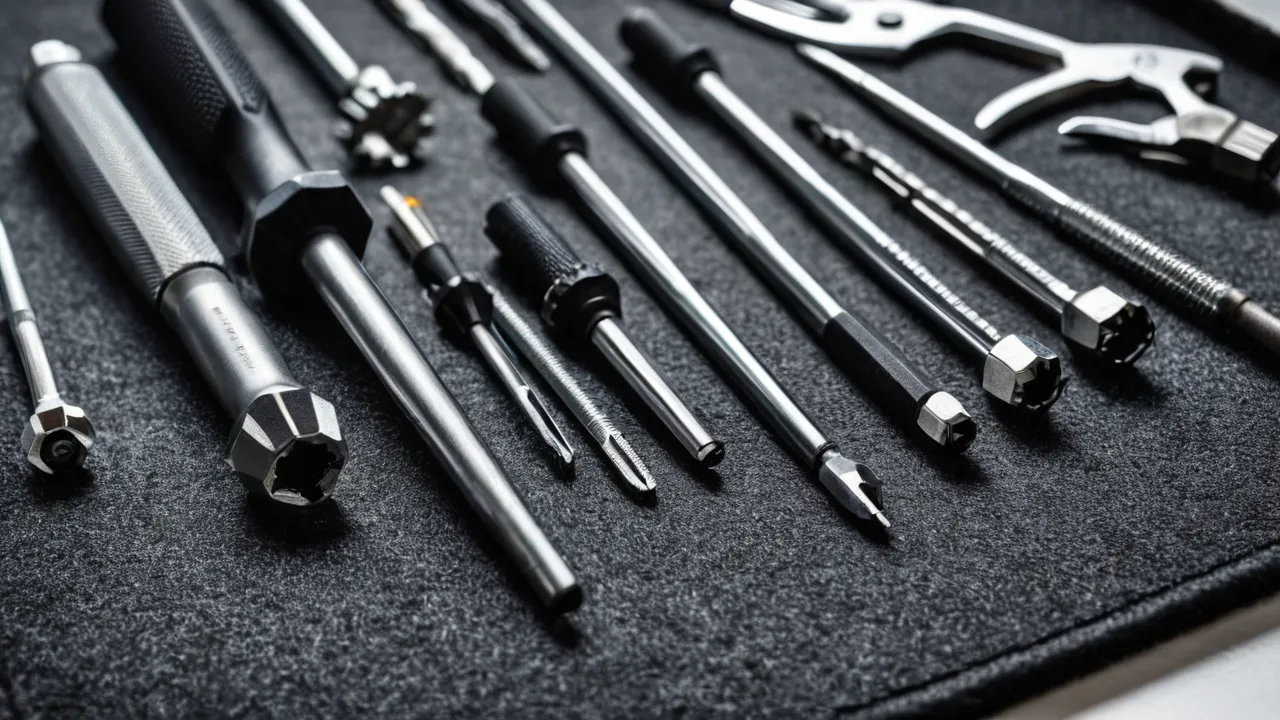
To choose a screwdriver set, match the tip types and sizes to the screws you meet at home, look for tips that fit tightly so they resist cam out, and pick handles and shafts that suit your hands. A small set with good tips beats a large set of loose, soft ones. For most homeowners, a few Phillips, slotted and Torx sizes cover nearly everything, and bits in a handle extend the set cheaply.
Tip fit and cam out
Cam out is when the driver slips out of the screw head under turning force, which damages the screw and the tip. A tight tip fit is the main defense. The tip should seat fully in the screw’s recess with no wobble. A tip that is too small rattles, and one that is too large will not seat. Check a driver by seating it in a screw head and tilting it slightly. A snug fit has little play.
Tip quality shows in machining and hardness. Look for clean, sharp edges and a finish that resists wear. A soft tip rounds quickly and starts to slip. Magnetic tips hold screws, which helps in tight spaces. Pressing firmly into the screw while you turn also reduces slip, and using the right size matters more than force.
The drive types you need
- Phillips: the most common cross-shaped head. Common sizes are PH1, PH2 and PH3, and PH2 covers many household screws.
- Slotted: a single flat slot. Useful for older hardware, electrical covers and prying small items gently. Match the blade width to the slot.
- Pozidriv: looks like Phillips with extra marks. It is common on some imported goods and cabinet hardware. A Phillips driver can fit poorly in a Pozidriv screw and slip.
- Torx: a six-point star. It resists cam out and is common on electronics, appliances and some deck screws. Sizes such as T10, T15, T20 and T25 cover many tasks.
- Hex: for furniture and bike parts, often as keys or bits.
- Square or Robertson: common in some trades and decking.
Match the driver to the head. Using a Phillips driver in a Pozidriv screw is a common cause of damaged heads. If you assemble furniture, check which drive types the maker uses. A set that includes Phillips, slotted and Torx in a few sizes covers most home needs.
Handles and shafts
A handle should fit your hand and give a firm grip when wet or oily. Rubberized grips cushion and help control, while hard plastic can slip. A larger-diameter handle gives more torque for stubborn screws, and a slimmer one gives finer control. Some handles have a hex bolster near the shaft that accepts a wrench for extra turning force, though you should not use a screwdriver as a chisel or pry bar.
Shaft length changes reach. A long shaft reaches recessed screws, and a stubby driver fits tight spaces. A magnetic or insulated shaft may suit electrical work, though insulated drivers need an appropriate rating and should not be used on live circuits without proper training. For electrical work, turn off power and follow safe practices.
A round shaft is common and a square shaft allows a wrench. Chrome vanadium and similar steels are usual for shafts. Look for a tip that is part of the shaft, not a separate piece glued in, if the maker describes it.
Sets with interchangeable bits
Many sets use a single handle with a bit holder and a case of bits. These save space and cost, and a bit driver can include a range of drive types. A good bit driver holds bits firmly, has a comfortable handle and a magnetic holder. The trade-off is leverage and reach. A bit in a handle is shorter and has a joint where it can wobble, and cheap holders loosen over time.
For power use, impact-rated bits are made to flex and absorb shock. Using standard hand bits in an impact driver can break them, and our power tools category covers drill and driver choices. A hybrid approach works well: full-size drivers for the sizes you use daily, and a bit set for the rest.
Skip the extras
- Huge sets with dozens of sizes you will never use.
- Novelty drive types unless your project calls for them.
- Handles with flashy features that do not improve grip.
- Sets with no clear size marking on the handle or shaft.
- Very cheap sets with soft, poorly fitted tips.
Buy fewer, better drivers. Mark the sizes if the handle does not, and keep them together in a roll or rack so you can find the one you need. A small set kept in the kitchen drawer gets used more than a perfect one in the garage. Browse options in our hand tools category.
How to use a driver properly
- Choose the right type and size so the tip seats fully.
- Push firmly into the screw and turn, keeping the driver in line with the screw.
- Start screws by hand to avoid cross-threading and tighten with steady pressure.
- If a screw is stuck, use a driver with a larger handle or an impact driver for a stuck fastener, and apply penetrating oil if appropriate.
- Replace worn tips and driver bits, because a rounded tip damages screws.
- Do not use a screwdriver as a pry bar or chisel, since the tip can break and fly.
- Wear eye protection when a screw might snap or spring free.
Store drivers dry, wipe off moisture and keep them out of heat. A driver with a chipped tip should be replaced, since it can slip and injure your hand.
Buying checklist and matching to your home
Walk around your home and list the screws you meet. Electrical outlet covers use slotted or Phillips screws. Cabinet hinges and drawer slides often use Phillips or Pozidriv. Decking and subfloor screws are often Torx or square. Appliances and electronics use small Phillips and Torx sizes, and some use security variants that need special bits. Flat-pack furniture uses hex keys and sometimes Phillips. With the list in hand, compare it with the contents of any set you consider. If a set has many sizes you never use and misses the ones you do, skip it.
- Look for clear size markings on each handle or shaft.
- Check that the set includes at least two sizes each of Phillips and slotted, and a few Torx sizes.
- Choose a case or roll so the set stays together.
- Look for tips that are hardened and not rounded or soft.
- Check the warranty terms for hand tools and what they cover.
Small and precision drivers
Eyeglasses, laptops, game controllers and small electronics use tiny screws that need a precision set. Look for fine tips in Phillips, slotted, Torx and tri-wing types, with swivel caps on the handles so you can press while turning. The same rule applies: a snug fit matters more than the number of tips. Keep the precision set separate from your household drivers, because a damaged tip ruins small screws. Work on a mat with a tray, and keep screws sorted by location. Use light pressure and turn slowly, since small heads strip easily.
Care and replacement
Wipe drivers clean after use and keep them dry. Do not use them for prying, hammering or chiseling, because that is the usual cause of chipped tips. If a tip rounds off, replace the driver or the bit, because a worn tip will damage every screw it meets. Keep a few spare bits of the sizes you use most. Over time, a modest set cared for this way will serve for years, and replacing a single driver costs less than repairing stripped screws.
Which set for which person
- Renter or apartment dweller: a compact set with Phillips, slotted, a few Torx sizes and hex keys in a small case.
- New homeowner: a full-size set of Phillips and slotted, a stubby driver for tight spots and a bit driver for odd sizes.
- Builder of furniture and decks: add impact-rated bits and a magnetic holder to drive many screws quickly.
- Electronics hobbyist: a precision set with swivel caps, kept apart from household drivers.
Each profile uses the same logic: list your screws, buy the sizes that match them, and favor tip fit over quantity.
Frequently Asked Questions
What screwdriver sizes do I need for home use?
Most households do well with Phillips PH1, PH2 and PH3, a few slotted blades in small, medium and large, and Torx in several sizes. Add hex keys for furniture and bike parts, and a bit set for odd sizes.
What is the difference between Phillips and Pozidriv?
Pozidriv has extra small marks around the cross and a different tip shape that grips better. A Phillips driver can slip in a Pozidriv head and damage it. Use the matching driver type for the screw.
Are screwdriver bit sets as good as full-size screwdrivers?
Bit sets are compact and cheap, but they offer less reach and leverage than full-size drivers and can wobble in the holder. Use full-size drivers for the sizes you use most, and a bit set to cover the rest.
How do I stop a screwdriver from slipping out of the screw?
Use the right type and size, push firmly into the head while turning and replace worn tips. Keep the driver in line with the screw, and clean debris from the screw recess. A snug fit matters more than force.
Final Thoughts
Choose a screwdriver set by tip fit, drive types, handle comfort and sensible size selection, and skip the extras. A small set of well-made drivers, plus a bit set for odd cases, handles nearly every household job. Use the right tip, push in as you turn and replace worn tools. For more on how we compare gear, see how we review.
Related buying guides
- How to Choose a Socket Set: Drive Size, Points, Finish
- Pliers Guide: Which Pliers Every Garage Needs
- Ratchet vs Breaker Bar vs Impact Wrench for Stuck Bolts
About the author

The BuyOnceChoice Editorial Team researches durable products worth buying once. Our guides compare published specifications, warranty terms, expert review consensus, and verified owner feedback. We do not conduct our own product trials. See How We Review and our Editorial Policy for our standards.