Starter Garage Hand Tool Checklist: What to Buy Once
Build a garage tool kit in the right order. This checklist covers what to buy first, when a set beats single tools and how warranty logic helps.
 By BuyOnceChoice Editorial Team
Updated November 16, 2026
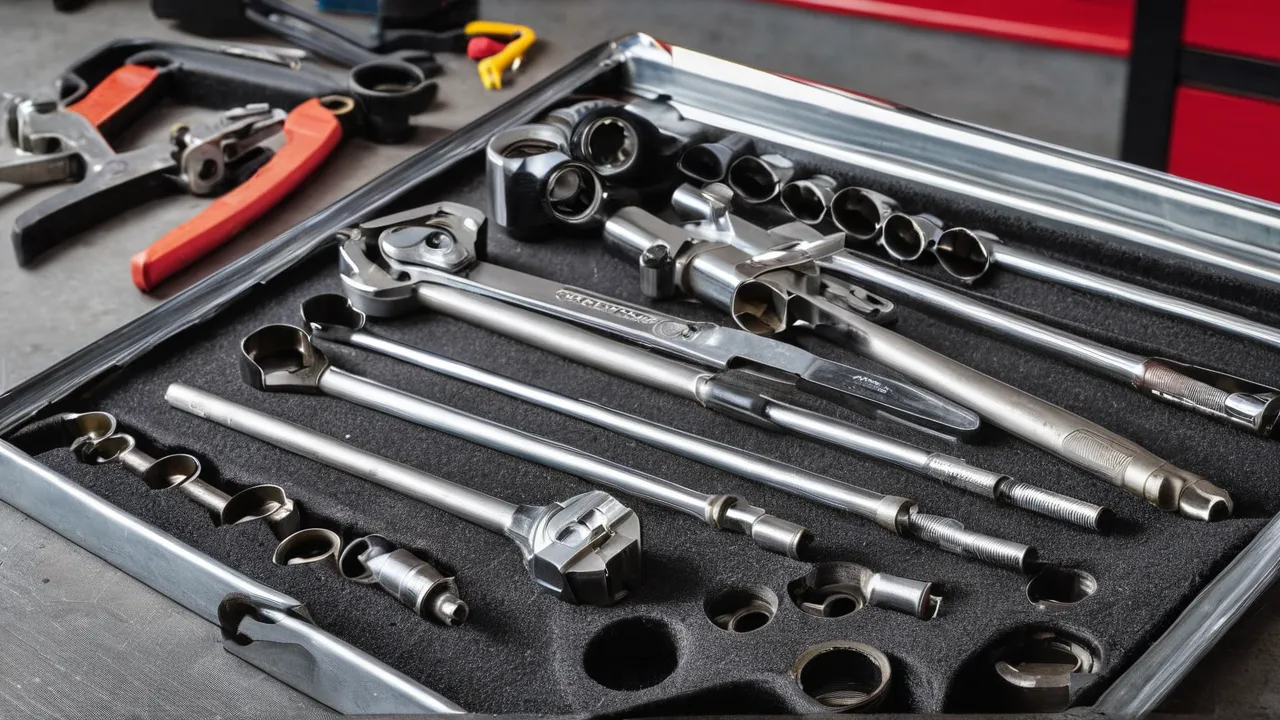
A garage hand tool checklist is a short, ordered list of the manual tools a home garage needs, arranged by when you will first use them so that you buy only what real projects demand. For most households the core list is a tape measure, hammer, screwdrivers, pliers, adjustable wrench, utility knife, level, socket set, combination wrenches, hex keys and safety glasses, with a cordless drill added soon after. Everything else can wait until a job calls for it, and the order of purchase matters more than the total piece count.
How to Use This Checklist
Read the list in three waves and tick items off only when a task has actually required them. A tool that sits in its package for a year was bought too early. The waves below follow a common pattern for a first home garage: constant-use tools first, fill-in tools as projects appear, and specialty tools only on demand.
Before buying anything, spend a weekend noting what you reach for. Write down every fastener you meet, such as the screw heads on shelving, the bolt sizes on a bike or mower, and the nuts under a sink. That short note tells you whether you need metric sizes, inch sizes or both, and whether Torx or hex fasteners are common in your equipment. Most modern appliances and vehicles mix systems, so a kit with both metric and inch sockets, wrenches and hex keys saves repeat trips.
Wave One: The First-Month Kit
These are the tools you will reach for constantly. Treat this section as the minimum viable garage.
- Tape measure with a locking blade, at least sixteen feet long, with a clear hook and readable markings.
- Claw hammer with a handle that feels secure in your grip.
- Screwdriver set with slotted and Phillips tips in several sizes, plus a few Torx bits if your equipment uses them.
- Adjustable wrench, one medium and one large if budget allows.
- Pliers: slip-joint, needle-nose and diagonal cutters.
- Utility knife with replaceable blades.
- Level, where a two-foot size is the most versatile.
- Socket set in three-eighths inch drive, metric and inch, with a ratchet and a few extensions.
- Combination wrench set in metric and inch.
- Hex key set in metric and inch.
- Safety glasses and work gloves.
Do not wait for a perfect moment to buy safety glasses. They cost little and are the first thing to reach for when anything sprays, chips or flies. Look for a pair marked as meeting the ANSI Z87.1 standard, which is printed on the frame, and keep a spare pair near the workbench so no one skips them for convenience.
Checking the quality of wave one
For each item, run a short inspection in the store or on arrival. A tape should lock and retract smoothly, and its blade should lie flat when extended. A hammer head should be seated firmly with no wobble. Screwdriver tips should be machined cleanly and fit the screw head without rocking. Ratchets should click through their full sweep without skipping. If any piece fails these quick checks, return it, since a small defect in a daily-use tool becomes a daily annoyance.
Wave Two: The Fill-In Tools
As you take on projects, add what the kit lacks. Each of these tools solves a problem the first wave cannot.
- Locking pliers and a pair of channel-lock style pliers for gripping, holding and large nuts.
- A pry bar and a flat pry bar for trim and stuck parts.
- A hacksaw or a fine-tooth saw, plus a utility saw for wood.
- A stud finder if you hang shelves or cabinets, and a chalk line for long straight layout.
- A torque wrench when you work on vehicles, to tighten lug nuts and engine fasteners to the maker’s figure.
- A cordless drill and a set of drill and driver bits. This is the first power tool for most households, and our guide to the power tools category explains how we group them.
- A stubby screwdriver and a set of precision screwdrivers for small devices.
- A flashlight or headlamp, and a magnetic pickup tool.
- Wire strippers and a voltage tester, only if you do electrical work and know how to do it safely.
The drill deserves a short decision rule. If most of your jobs involve driving screws into framing or assembling furniture, a compact drill and driver with a keyless chuck is enough. If you expect to drill masonry or large holes in lumber, plan on a more powerful tool later and treat the first drill as the light-duty option. Buying into one battery platform early helps, since later cordless tools can share packs and chargers.
Wave Three: Specialty Tools on Demand
Buy these when a specific task appears, not before. Examples include a torque multiplier, a breaker bar, bearing pullers, an oil filter wrench, a pipe wrench, a tubing cutter, a caulk gun, a hand plane, chisels, a jigsaw or a multi-tool. The reason is cost: specialty tools often sit unused, and buying the wrong size or style wastes money.
A useful rule is the two-use rule: if you can name two jobs in the next year that need the tool, buy it. If you can name only one, consider borrowing from a neighbor, renting from a hardware store, or paying for the job. Pullers, tubing cutters and large pipe wrenches are the usual candidates for renting.
Vehicle and car-care additions
If you will change oil, swap tires or do brake work, add a floor jack and a pair of jack stands rated for the vehicle’s weight, a breaker bar, wheel chocks, a drain pan, an oil filter wrench and a funnel. Never work under a vehicle supported only by a jack. Check the load rating on the jack stands and the owner’s manual for the jacking points, and use level, solid ground. These tools are a safety category first and a convenience second, so buy ones with clear ratings from a reputable maker.
A sample order of purchase
- Month one: tape measure, hammer, screwdrivers, pliers, utility knife and safety glasses.
- Month two: socket set and combination wrenches.
- Month three: cordless drill, bit set and level.
- After that: add one tool for each project that needs it, and retire any tool that has not left the box in two years.
Spreading purchases over time lets you learn which tools you reach for, and it avoids paying for a kit with pieces you never use.
Sets Versus Single Tools
Sets are efficient when the pieces share a purpose. Sockets, combination wrenches, screwdrivers, hex keys and bit sets are cheaper in sets than bought individually, and they come in a case that keeps the sizes in order. They are also the best place for a lifetime warranty to cover many pieces at once.
Single tools make sense when one piece decides the quality of the job: a hammer, a tape measure, a level, a torque wrench and a good pair of pliers. For these, handle quality, accuracy and feel matter, and a single tool from a good maker will serve better than a mediocre one in a kit.
A practical approach is to buy a mid-sized set for each family of tools, then replace the one or two pieces you use most with better singles over time. Skip enormous sets: most of the pieces will go unused, and quality often drops as piece count rises. Read our guide to choosing a socket set in the hand tools category for details on drive size and point count.
What to look for in a set
- A case with labeled slots, so a missing piece is obvious at a glance.
- Both metric and inch sizes, with common sizes duplicated if you can find them.
- Drive sizes that match your work: three-eighths inch for general use, half inch for larger fasteners.
- Markings that are stamped or etched, not printed, so they survive grease.
Warranty Logic and Storage
Lifetime warranties are common on hand tools. They are useful for pieces that take torque, such as ratchets, sockets and wrenches, because a broken tool can be exchanged. They matter less for tools that wear out normally, such as blades and bits, which are typically excluded. Read the terms, check how claims are handled and consider where a replacement is available. A warranty that requires a long mail-in process is less useful than one handled at a store. Keep receipts and photos, and verify the terms on the maker’s site because they change.
A small rolling cart or a toolbox with drawers keeps the kit organized and protects the tools. Hang pliers and screwdrivers on a pegboard or a rail, put sockets in labeled trays and keep measuring tools together. Wipe tools dry after use to prevent rust, especially in damp garages, and keep a small can of light oil or a rust inhibitor on hand. A kit you can find in the dark is worth more than a bigger one in a pile.
Safety basics for any garage
Wear eye protection for any work that creates chips, sparks or splashes. Use the correct tool for the job: a wrench is not a hammer and a screwdriver is not a pry bar. Keep tools in good condition, with handles tight and tips unworn. If you work on electrical systems, gas lines or vehicle brakes, follow the manual and hire a licensed professional if you are not trained. Our how we review page explains how we weigh tool quality.
Quality signals when you handle a tool
Look for forged steel with a clean finish, handles that feel secure and do not twist, markings that are stamped or etched, ratchets that engage smoothly and pliers whose jaws meet evenly. If the tool feels rough or loose in the store, it will feel worse after a year of use. The manual or product page usually names the material and the standard the tool meets, which tells you more than packaging claims do.
Who Should Skip What
- Renters and light users can stop after wave one and a drill.
- Home mechanics should prioritize sockets, wrenches, a torque wrench and jack stands.
- Woodworkers should prioritize measuring, marking, chisels, a saw and clamps.
- Anyone on a budget should buy a few good tools, not a big set of poor ones.
For broader coverage, browse the tools and garage section.
Frequently Asked Questions
What hand tools does every garage need?
Every garage needs a tape measure, hammer, screwdriver set, pliers, adjustable wrench, utility knife, level, socket set, combination wrenches, hex keys and safety glasses. These cover most repairs and assembly work. Add a cordless drill next, then buy specialty tools only when a specific project requires them.
Should I buy a big tool set or individual tools?
Buy sets for families of tools that share a purpose, such as sockets, wrenches and screwdrivers, because they cost less per piece and stay organized. Buy single tools where one piece decides quality, such as a hammer, tape measure, level or torque wrench. Avoid very large sets full of pieces you will never use.
Do I need both metric and inch tools?
Yes, in most homes. Many vehicles, appliances and imported furniture use metric fasteners, while older American equipment and lumber hardware often use inch sizes. A kit with both sockets, wrenches and hex keys prevents mismatched sizes from rounding off a bolt head or stripping a screw.
What tools should I buy first for a new home?
Start with a tape measure, hammer, screwdriver set, pliers, adjustable wrench, utility knife, level and safety glasses. Those handle hanging shelves, assembling furniture and basic fixes. Add a socket set and a cordless drill within the first few months, then wait for projects to tell you what else is worth buying.
Final Thoughts
Start with measuring, fastening and gripping tools, add a drill and the fill-ins as projects appear, and leave specialty tools until you need them. Buy sets for families of tools and single pieces where quality decides the job, and read warranty terms for what they really cover. A small, well-chosen kit used often beats a big one you rarely open.
Related buying guides
- Tool Warranty Guide: What Lifetime Warranty Really Covers
- Torque Wrench Types: Click, Beam and Digital Compared
- Hand Tool Care: Preventing Rust and Extending Tool Life
About the author

The BuyOnceChoice Editorial Team researches durable products worth buying once. Our guides compare published specifications, warranty terms, expert review consensus, and verified owner feedback. We do not conduct our own product trials. See How We Review and our Editorial Policy for our standards.