Pliers Guide: Which Pliers Every Garage Needs
Five core pliers cover most garage work. See what each type does best, how to spot weak joints and jaws, and which fancy sizes you can skip.
 By BuyOnceChoice Editorial Team
Updated November 16, 2026
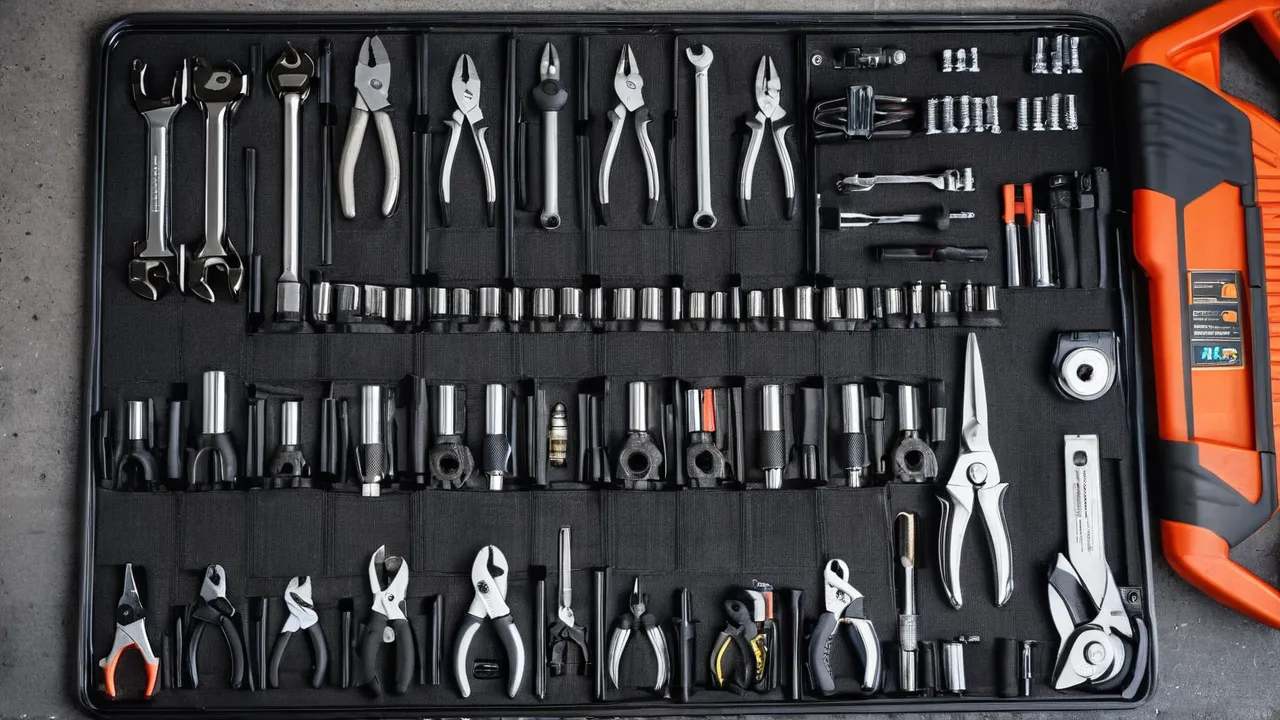
The types of pliers a home garage needs come down to five: slip joint pliers for general gripping, needle nose for tight spaces and wire work, diagonal cutters for snipping wire and zip ties, locking pliers for clamping and holding, and groove joint pliers for pipes and large nuts. The quality of the pivot and jaws matters more than the number of tools, so buy a few good pairs before a boxed set.
The five core types
Slip joint pliers
Slip joint pliers have a pivot that can move into two positions, letting the jaws open wider. They grip flat and round objects and are the all-purpose pliers most people reach for first. They are not ideal for turning nuts, since the jaws can round the corners, but for holding, bending and pulling small items they are handy. Look for hardened teeth and a pivot with no side play.
Needle nose pliers
Needle nose pliers have long, tapered jaws that reach into tight spaces to hold small parts, bend wire and retrieve dropped screws. Many have a cutting edge near the pivot. They are delicate by design, and forcing them on heavy work spreads or breaks the tips. Choose a pair with aligned jaws that meet cleanly along their length, and use the cutter only on soft wire.
Diagonal cutters
Diagonal cutters, often called dikes, have angled cutting edges for snipping wire, cable ties, small nails and cotter pins. A good pair cuts cleanly with little effort and the edges meet without a gap. Cheap pairs have soft edges that dent on hard wire. Match the cutter to the job: do not use them on hardened steel or on piano wire unless they are rated for it.
Locking pliers
Locking pliers clamp onto an object and stay clamped, freeing your hands. They hold parts for sawing, grinding or welding prep and can grip rounded fasteners that other tools slip on. An adjusting screw sets the jaw gap, and a release lever opens them. Check that the lock holds firmly under load and releases smoothly. They come in several jaw shapes, including straight, curved and long nose.
Groove joint pliers
Groove joint pliers, sometimes called tongue and groove pliers, have jaws that adjust to several widths through a series of grooves, and the handles stay roughly parallel. They suit plumbing, large nuts and round pipe. They give a strong grip with long handles for leverage. Do not use them on finished nuts that you want to keep unmarred, and avoid heavy hammering.
| Plier type | Best job | Where cheap ones fail |
|---|---|---|
| Slip joint | General gripping and bending | Loose pivot, soft teeth |
| Needle nose | Small parts and wire | Misaligned or bent tips |
| Diagonal cutters | Snipping wire and ties | Chipped or dull edges |
| Locking | Clamping and holding | Weak lock, slipping jaws |
| Groove joint | Pipes and large nuts | Teeth rounding, sloppy slide |
Between them, these five cover gripping, reaching, cutting, clamping and turning. Many owners also keep a small pair of side cutters for electronics and a pair of long reach pliers for dropped items in engine bays. The key is to know the limits of each. Pliers hold and cut, but they are not wrenches or hammers, and treating them as such is the cause of most damage to both the tool and the fastener.
Sizes matter. A medium pair, around six to eight inches, handles most jobs. Smaller pairs suit electronics and jewelry, while larger pairs give leverage for stubborn work. Matching the size to the task keeps your hands comfortable and your tools in good condition.
Which pliers for which garage job
Use this checklist to match the tool to the task before you reach into the drawer.
- Pulling a cotter pin or bending a hook in wire: needle nose
- Cutting zip ties, small nails or electrical tape flush: diagonal cutters
- Holding a part while you saw, drill or grind it: locking pliers
- Gripping a stripped or rounded bolt head as a last resort: locking pliers, then replace the fastener
- Loosening a plumbing nut or turning a round pipe: groove joint pliers, or a pipe wrench for larger pipe
- Holding a washer, retrieving a dropped screw, or reaching into a tight spot: needle nose
- General gripping and pulling: slip joint
- Turning a hex nut or bolt: a wrench or socket, not pliers
If a task falls under the last line, pliers are the wrong tool. Reaching for a wrench or socket saves fasteners and knuckles.
What to inspect before buying
- Open and close the pliers several times and feel for smooth movement
- Check that the jaws meet evenly with no gap
- Look for hardened teeth and cutting edges
- Check for a rivet or bolt pivot that does not wobble
- Feel the handles for comfort and grip
- Look for forged steel rather than cast
Handles with a soft coating are comfortable, but they should not slip. Insulated handles are rated for electrical work, but plain coatings are not a substitute, and a rating mark is what counts. Even with a rated tool, shut off power and call a licensed electrician for anything beyond simple tasks.
Look at the finish and forging marks. Forged pliers are shaped from heated steel, which aligns the grain and gives strength. Cast pliers are poured into a mold and can be brittle. The maker may state how the tool is made in the manual or on the packaging. Heat treated jaws keep their grip longer. A well made pair has a clean line where the jaws meet and crisp tooth patterns.
Check the cutting edges against each other by closing the pliers on a thin piece of paper or a thin wire. A clean cut means the edges meet properly. A ragged tear points to a gap or a dull edge. This simple check shows quality in seconds, and it also helps when comparing two pairs at a shop.
Pliers you can skip
Many sets include specialty pliers you will seldom use, such as long reach models in odd sizes or combination gimmicks. A modest set of the five core types, in a medium size, covers most tasks. Add specialty items only when a job calls for them, such as hose clamp pliers or snap ring pliers for automotive work. For related choices see the hand tools category and the multi-tools category.
Rather than buying a boxed set of a dozen pliers, consider building a kit one tool at a time. Each purchase gets your full attention, and you can select better pieces for the jobs you do. A kit chosen this way tends to cost less in the long run, because you avoid duplicates and unused tools. Keep receipts and note which tool lets you down, then replace that one with a better model.
Using and caring for pliers
Use the right pliers for the job and avoid using them as hammers or wrenches on tight bolts. Keep pivots lightly oiled and wipe off moisture. Store them in a drawer or on a rack, not loose where jaws knock together. Replace pliers with rounded teeth, a loose pivot or a chipped cutter. Wear eye protection when cutting wire, since pieces can fly.
Lubricate the pivot with a drop of light oil and work the handles to spread it. Clean the teeth with a brush when they clog with dirt. Keep cutting edges from touching harder metals than they are made for. For locking pliers, back off the adjusting screw before storing so the spring does not stay compressed. A few minutes of care a year can make a good pair last for decades.
Frequently Asked Questions
What are the most useful pliers for a home garage?
Slip joint, needle nose, diagonal cutters, locking pliers and groove joint pliers cover almost every household task. Together they handle gripping, reaching, cutting, clamping and turning pipe or large nuts. Start with a medium size, six to eight inches, and add specialty pliers only when a job needs them.
What is the difference between slip joint and groove joint pliers?
Slip joint pliers have one pivot with two positions, so they open to two widths and suit small parts. Groove joint pliers adjust through several grooves, open much wider and keep the handles near parallel, which suits pipes and large nuts. Groove joint pliers give more leverage but are bulkier.
Can I use locking pliers instead of a wrench?
Only as a last resort. Locking pliers can grip a rounded or stripped bolt that a wrench cannot, but they mar the fastener and can slip. For ordinary nuts and bolts, use a wrench or socket that fits, which protects both the fastener and your knuckles.
Are expensive pliers worth it?
Often, for the pairs you use most. Forged steel, hardened jaws and a tight pivot keep their grip and alignment longer, while cheap pairs loosen and round off. Inspect jaw alignment and the cutting edges, and buy better quality for the tool that fails you first.
Final Thoughts
Buy a few good pliers instead of many weak ones. Start with slip joint, needle nose, diagonal cutters, locking and groove joint pliers, and inspect the jaws and pivots. Add specialty pliers when needed. A forged, well aligned pair can last for decades, and a cheap pair can cost you busted knuckles and damaged fasteners. See how we review for how we approach tool quality.
Try the habit of buying by job rather than by set: when a task needs a new grip, pick the plier built for it, and note which tools you reach for most. Over a year the pattern shows what to upgrade first, and what to leave out.
Related buying guides
- Ratchet vs Breaker Bar vs Impact Wrench for Stuck Bolts
- SAE vs Metric Wrenches: Do You Need Both?
- Starter Garage Hand Tool Checklist: What to Buy Once
About the author

The BuyOnceChoice Editorial Team researches durable products worth buying once. Our guides compare published specifications, warranty terms, expert review consensus, and verified owner feedback. We do not conduct our own product trials. See How We Review and our Editorial Policy for our standards.