Kids Winter Boots Sizing: How to Fit Growing Feet
Boots that are too big cause blisters and cold feet, and boots that are too small pinch. Learn a simple fit check and how much growth room is reasonable.
 By BuyOnceChoice Editorial Team
Updated November 16, 2026
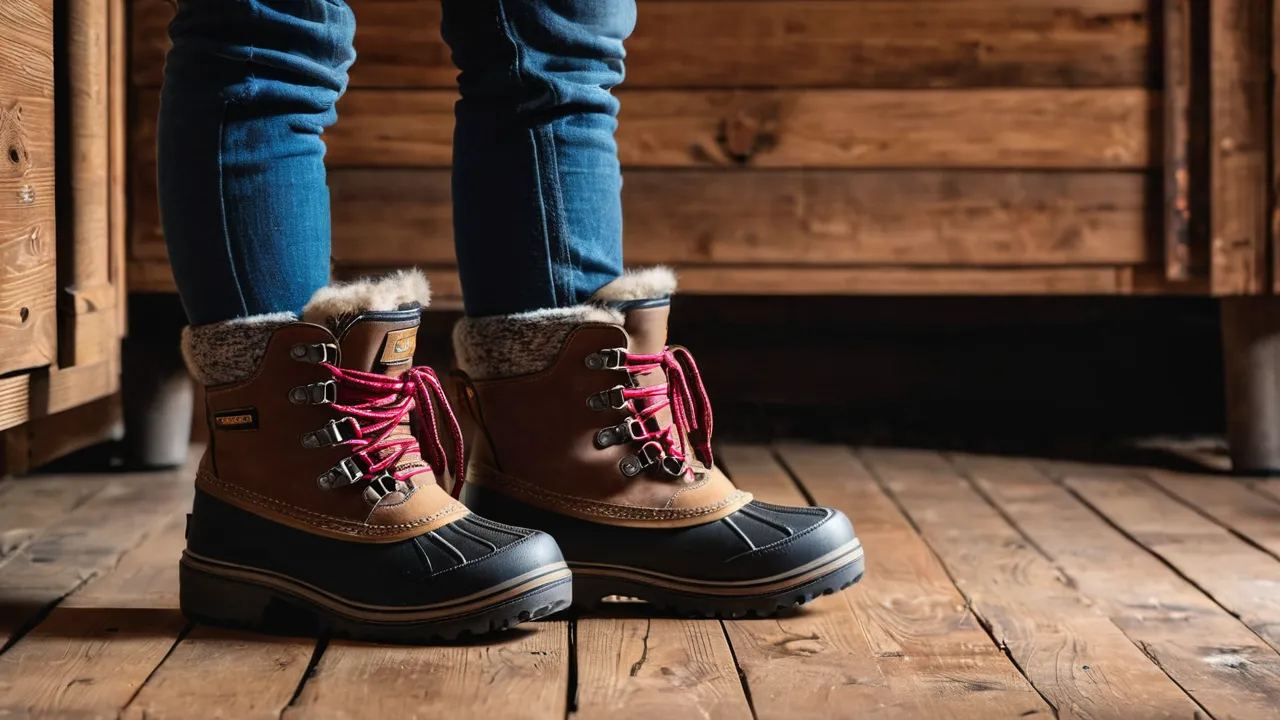
For a kids winter boots size guide, the method is simple: measure the foot while the child wears the winter socks, leave about a thumb’s width of room in front of the longest toe, check that the heel stays put when the child walks, and recheck the fit every few weeks. A boot that is too big causes heel slip, blisters and tripping, and one that is too small squeezes the toes and chills the foot.
Why fit matters more for kids
Children’s feet grow fast, and they often cannot tell you when a boot hurts. They may complain late, or not at all, and some will wear a tight boot until a blister forms. Winter adds thick socks and liners, which change the fit further.
A snug, well fitted boot keeps the foot warm and stable. A loose boot lets the foot slide, which rubs the heel and the toes, and a tight boot restricts blood flow and makes feet colder. Check fit often and trust what you see on the foot, not only what the child says.
Measuring with winter socks, step by step
- Have the child stand on a sheet of paper wearing the socks they will wear in the boots.
- Trace the foot, holding the pen upright, and mark the heel and the longest toe.
- Measure the distance between those marks in inches or centimeters.
- Measure both feet, since sizes can differ, and use the larger.
- Compare the length with the maker’s size chart, which usually lists inches or centimeters.
- Measure again every month or two during growth spurts.
Do the measurement in the afternoon, when feet are a bit larger, and with the child standing, since weight spreads the foot. Many makers publish a chart by age and size, but age is a rough guide, so rely on the foot measurement and the chart for that exact model, since sizing differs between brands.
A worked example
Say the traced foot measures a certain length. Add about half an inch for the thumb’s width of room, and look for the chart size whose inside length is at or just above that total. If two sizes bracket the number, choose the smaller one when the child is between growth spurts and the boot has an adjustable closure, and the larger one if the child has recently grown or the boot is snug at the toe box. Then confirm with the heel and toe checks below, because a chart is only a starting point.
Room for growth without causing problems
A reasonable amount of room is about a thumb’s width, roughly half an inch, between the longest toe and the front of the boot when the child stands. More than that lets the foot slide forward when walking downhill, and the toes may hit the front. Less than that squeezes the toes and leaves no room for growth.
Avoid buying two sizes up to get an extra season. A very large boot causes heel slip, blisters and tripping. If you must buy ahead, choose a boot with an adjustable closure and use a thicker sock to take up space, and watch the heel. Our work boot fitting checklist explains the heel lift check, which works for children too.
Checking the heel and toes
Heel check
Have the child walk up a slope or stairs. The heel should stay down, with only a little lift. If the heel rises a lot, the boot is too big or the lacing is loose.
Toe check
Have the child walk downhill. The toes should not hit the front of the boot. Press the front of the boot while the child stands to find the toe position, and check that the toes are not curled.
Width and shaft
A boot that squeezes the sides of the foot is too narrow. The shaft should not pinch the calf. Our winter boots wide calf guide explains measurement for the shaft.
Features that help with fit
- Wide openings and pull tabs, so the child can put them on.
- Adjustable closures such as laces, straps or hook and loop.
- Removable liners that dry overnight.
- A flexible sole and a stable base.
- Waterproof construction with a gusseted tongue.
- Rubber lower that sheds water and wipes clean.
Choose features the child can use. A boot they can put on and take off themselves gets worn properly. A child who can put boots on without help is more likely to wear them correctly. Teach the heel push, which is to scoot the heel to the back of the boot before fastening, since loose heels often come from a foot that was never pushed back.
Socks, layers and cold for children
Children lose heat quickly, and wet or tight socks make it worse. Use one pair of moisture wicking socks, wool or synthetic, that fits without bunching. Two thick pairs may crowd the foot and reduce warmth. Keep a spare pair in the bag for school or sledding, and change them when damp. Check toes by touch after outdoor play. Cold, pale or numb toes mean it is time to go inside and warm up gradually.
Fit the boot with the sock you will use, and do not rely on the child to say that something is too tight. Look for marks at the ankle, on the top of the foot and at the toes after the boots come off.
Common sizing problems and fixes
- Heel slip with enough toe room: tighten the closure, add a snug sock, or try a narrower last. If the heel still lifts a lot, size down or switch models.
- Toes touching the front: go up a half size, or look for a boot with a roomier toe box.
- Red marks at the top of the foot: loosen the lacing across the instep, or choose a boot with a softer tongue.
- Pinching at the calf: look for a wider shaft or a boot with an adjustable top.
- One foot larger than the other: size to the larger foot and use a thin insole in the other boot if needed.
- Cold toes despite good fit: check moisture first, then the sock, since a damp or tight sock chills faster than a thin boot does.
Sizing systems also differ. Toddler, little kid and big kid ranges overlap, and some brands label by age while others use shoe size. If a chart gives only age, ignore it and use your tracing. If you shop from a size you know from regular shoes, remember winter boots usually run larger to fit socks and liners, so treat last year’s size as a starting guess and check again.
Before the child wears the boots outdoors, have them wear the boots at home for fifteen minutes, walking, squatting and climbing stairs. Take them off and look at the feet. A clean foot with no red marks is the signal that the fit is acceptable.
Safety, hand me downs and care
Check fit often, and check the feet after wear for red marks, blisters or cold, pale skin. Do not dry boots on direct heaters, and follow the manual for care. If a child has foot pain or ongoing marks, a clinician can advise. This guide is general information, not medical advice.
Used boots can be fine if the liner, sole and closures are in good shape, but boots mold to the wearer. A sole worn on one side tilts the foot, and a packed liner loses warmth. Check the tread, the seams for leaks and the closures. Replace worn liners and dry everything fully before reuse. If a boot has an odor or visible mold, skip it. Label siblings’ boots so sizes do not get mixed up.
Keep liners dry. Remove them each night and dry at room temperature, and rotate pairs if possible. If boots get soaked, they need a full day to dry, so a second pair or a spare liner helps through a wet week.
Decision rules
- Fast growth: check monthly and replace when toes touch the front.
- Hand me downs: check the liner, sole and fit before use.
- Sensitive feet: choose soft, seamless linings.
- Preschoolers: pull on with hook and loop.
- School age: laces with a snug top.
- Deep snow: mid calf boots with a snug top.
Buy for the current season and a realistic fit. A mid priced boot that fits and dries well is usually a better value than an oversize boot that causes blisters. See the clothing and footwear section and how we review for related guidance, and learn the retailer’s return policy before you buy.
Frequently Asked Questions
How much room should kids winter boots have?
About a thumb’s width, roughly half an inch, in front of the longest toe when the child stands. More lets the foot slide and trip the child. Less squeezes the toes. Always measure with the winter socks the child will wear.
Should I buy kids winter boots a size up?
Only a little, if at all. A half size can help with thick socks, but two sizes up causes heel slip and blisters. If you want growing room, choose an adjustable closure and check the heel and toes every few weeks.
How often should I check my child’s boot size?
Every month or two during growth spurts, and at the start of each winter. Children often do not say when a boot is tight, so look for red marks, curled toes and toes touching the front after walking downhill. Recheck after any growth spurt.
Can kids wear hand me down winter boots?
Sometimes. Check that the liner has not packed down, the sole is not worn on one side, the seams do not leak and the boot smells clean. Dry everything fully, and replace a flattened liner if the maker sells one.
Final Thoughts
Measure with winter socks, leave a thumb’s width of growth room, check the heel and toes and recheck often. Choose adjustable, dry-able boots, and skip the oversize purchase. A good fit keeps a child warm and moving in the snow.
Related buying guides
- Pac Boots vs Insulated Hiking Boots vs Snow Boots
- Removable Liner vs Fixed Insulation Winter Boots
- Snow Boot Height: Ankle vs Mid vs Knee High
About the author

The BuyOnceChoice Editorial Team researches durable products worth buying once. Our guides compare published specifications, warranty terms, expert review consensus, and verified owner feedback. We do not conduct our own product trials. See How We Review and our Editorial Policy for our standards.