Sump Pump Buying Mistakes That Lead to a Flooded Basement
Most basement floods trace to a few errors: an undersized pump, no check valve, the wrong float, a weak discharge line and no backup. Here is how to avoid each.
 By BuyOnceChoice Editorial Team
Updated November 16, 2026
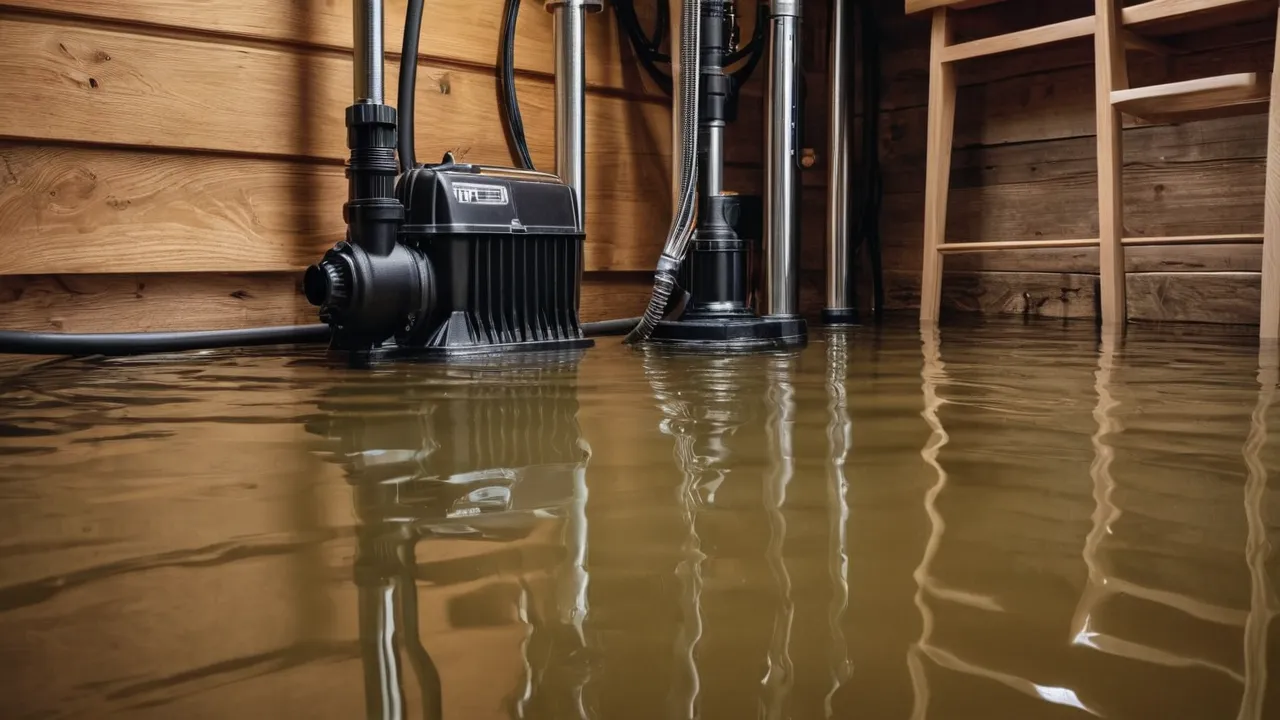
Sump pump buying mistakes are the choices made before or during purchase that leave a basement exposed to flooding: an undersized pump, a missing or poor check valve, the wrong float, a weak discharge line, no backup power or alarm, and neglected installation details. Each one is avoidable with a few measurements and a read of the manual before you buy, and the fixes below tell you what to do instead.
Why These Mistakes Happen
A sump pump sits out of sight in a pit, and most owners think about it only when it fails. That makes the buying decision feel low stakes, so people choose on horsepower or a familiar brand and skip the measurements that matter. The pump also works as part of a system: the pit, the float, the check valve, the discharge pipe and the power supply. A strong pump with a weak link anywhere in that chain still fails when the storm arrives. The numbered mistakes below follow the order of that chain.
Before reading further, collect four facts about your house: the vertical distance from the pit bottom to where the discharge pipe exits, the length of the horizontal run, the pit’s width and depth, and how often the current pump runs during a wet week. Those four facts drive most of the fixes.
Six Mistakes to Avoid
Mistake 1: Buying an undersized pump
A pump that cannot keep up lets the pit overflow during heavy rain. Capacity depends on flow at your discharge height, not on a headline number. Look at the pump’s performance curve, which shows flow at a given lift. Estimate the vertical distance the water must rise from the pit to the outlet, add the effect of long horizontal runs, and choose a pump that still moves a generous flow at that height.
Fix: ask for the flow rating at your actual lift, not at zero feet. Horsepower is a rough guide only. A larger motor does not guarantee more flow at your lift, and a pump that is too large for the pit may cycle on and off rapidly, which wears the switch and the motor.
Pit size and inflow matter too. A shallow pit fills fast and makes the pump cycle often, and a deep pit gives the pump more time between runs. Many residential pits are around eighteen inches across and two feet deep, but check the pump manual for the minimum pit size and float travel. If your drain tile delivers a large flow in storms, a pit that is too small forces constant cycling. Ask an installer about typical pit size in your area, and consider widening the pit if you are replacing a failing system.
Mistake 2: Skipping the check valve or choosing a poor one
A check valve stops water from draining back into the pit after the pump shuts off. Without one, the pump moves the same water again and again, wearing out and wasting power. A cheap or sticky valve can slam shut loudly or clog.
Fix: choose a good quality valve that suits the pipe size, install it in the right direction by following the flow arrow, and make it accessible for service. Mount it above the pit with unions or flexible couplings so it can be replaced without cutting pipe.
Many owners install a check valve and forget it. Check valves are wear items, and a failing one allows backflow that makes the pump cycle without need. Listen for the pump starting again a few seconds after it stops, which is the sign that water is draining back. Replacing a valve costs little compared with a burned-out motor, so make it part of your maintenance plan and keep a spare of the right size.
Mistake 3: Choosing the wrong float
- A narrow pit can trap a tethered float against the wall.
- A vertical float can stick if debris builds up.
- A float that is set too low makes the pump short cycle.
- A float set too high lets water rise too far.
- Electronic switches can fail from corrosion, so check the manual.
- A float that tangles with a second pump cord causes failure.
Fix: match the float to your pit. If the pit is narrow, a vertical float or an electronic switch may be better than a tethered one. Set the float so the pump starts well below the level of the drain tile entry and stops before the pump runs dry.
Consider the electrical side of the float too. A float with a piggyback plug lets you plug the pump into the float’s cord, then plug the float into the outlet. That arrangement allows the float to be replaced separately from the pump, and it lets you plug the pump directly into the outlet if the float fails, as a short-term workaround. A pump with a built-in switch cannot be bypassed easily, which may be a plus or a minus depending on how you service it. Read the pump manual before choosing.
Mistake 4: Building a weak discharge line
A discharge line that is too small, too long, uphill for no reason or poorly joined reduces the flow and invites leaks. Fix: size the pipe to the pump outlet, never smaller, and route it to drain well away from the foundation, downhill if possible. In cold climates, protect it from freezing. Joints should be secure, with a small relief hole drilled below the check valve as the maker advises to prevent air lock. For more detail, see our guide on sump pump discharge and check valves.
Noise from the discharge line is an overlooked cost. A rigid pipe that touches framing transmits vibration, and a check valve that slams makes a thud each cycle. Use pipe straps with cushioning, and choose a quiet valve if the pit is near living space. Think about where the pipe exits and how the water reaches the ground, since a pipe that discharges next to the foundation can send water right back to the pit.
Mistake 5: Having no backup or alarm
A pump with no backup is a gamble if the power goes out or the pump fails, and storms that bring the most water often bring outages too. Fix: consider a battery backup, a second pump or a water powered unit where local rules allow, and add a high-water alarm. A generator helps in long outages, and our guide on portable generators explains how to size one to run the pump. Run a generator outdoors only, away from windows and doors.
A backup that you never check is no better than none. Battery backups depend on a charged battery with a known age, and runtime depends on how fast water enters the pit, so read the manual for runtime figures and set a reminder to inspect the battery on a schedule.
Mistake 6: Ignoring installation and maintenance details
A pump that never gets cleaned or checked fails when needed. Fix: clean the pit, check the float and run water through the pump on a schedule. Install the pump on a solid, level base, not directly in mud or silt, and keep the cord out of the water. Use a licensed electrician for wiring and a grounded, protected outlet. See how we review for how we weigh durability and service.
Buying on price alone is a quiet version of this mistake. A very cheap pump may use a weak switch or thin seals, and a repair may cost nearly as much as a new unit. Compare parts availability, warranty terms as written in the manual and any thermal protection. A pump you can service and that is easy to find parts for suits the buy once idea better than the lowest price on the shelf.
Summary Table: Consequences and Fixes
| Mistake | Consequence | Fix |
|---|---|---|
| 1. Undersized pump | Overflow in heavy rain | Choose by flow at your lift |
| 2. No check valve | Pump cycles constantly | Install a quality valve |
| 3. Wrong float | Pump fails to start or stop | Match the float to the pit |
| 4. Poor discharge line | Leaks, freezing, backflow | Size, slope and protect it |
| 5. No backup | Flooding during an outage | Add a backup and alarm |
| 6. Skipped upkeep | Failure at the worst time | Clean and check on a schedule |
Also think about power quality. A pump on a circuit shared with a freezer or a garage door opener may trip the breaker. A dedicated circuit installed by a licensed electrician is the safer setup, and the electrician can advise on whether ground fault protection suits your outlet and local code, since a tripped protective device silently stops the pump. Check the outlet and the breaker as part of your regular checks. A simple plug-in alarm can warn you when power is lost.
Pre-Purchase Checklist
Use these questions at the shelf or on the product page so none of the mistakes above slip through.
- Does the maker publish flow at several lift heights, and does my lift fall inside that range?
- Will the pump fit my pit with room for the float to travel?
- Is the float type suited to the pit width?
- Does the outlet size match the pipe I plan to use?
- Is a check valve included, or do I need to buy a compatible one?
- Can I get replacement switches and parts?
- What backup plan can this pump join, such as a battery unit or a generator?
Safety
Always cut power before reaching into the pit. Water and electricity are a dangerous combination, so do not stand in water near electrical connections or unplug a pump with wet hands. Follow the manual and local codes, and use a licensed electrician for wiring and a licensed pro for flooding situations. If flooding approaches outlets or the panel, shut off power at the breaker only if you can reach it without standing in water, otherwise call the utility or an electrician.
Frequently Asked Questions
What size sump pump do I need for my basement?
Size by flow at your lift, not by horsepower. Measure the vertical rise from the pit to the outlet, add allowance for long horizontal runs, then read the maker’s performance curve at that height. Many homes use a one third or one half horsepower unit, but homes with heavy inflow or high lift may need more. Check the manual.
Do I really need a check valve on a sump pump?
Yes, in almost every installation. Without a check valve, the water in the discharge pipe falls back into the pit each time the pump stops, so the pump repeats the work and cycles more often. Some pumps include one, but many do not, so confirm before you buy and install it above the pit.
How often should a sump pump run?
It depends on rainfall and soil. A pump may run rarely in dry weather and every few minutes in a storm. Constant running in dry weather points to a stuck float, a failed check valve or a high water table. Frequent short cycles usually mean the pit is too small or the float is set poorly.
Is a battery backup sump pump worth it?
A backup is worth considering if outages happen during storms in your area or if the basement is finished. It keeps the pit pumping when mains power fails, though runtime depends on the battery and how fast water enters. Read the manual’s runtime figures, check the battery on a schedule and add an alarm.
Final Thoughts
Avoid the usual errors by sizing for flow at your lift, installing a good check valve, choosing a float that fits the pit, building a sound discharge line and planning for backup. A little care now prevents a flooded basement later. Pick a pump with available parts and a clear manual, and treat it as a long-term safeguard for the house.
Related buying guides
- Sump Pump Discharge Line and Check Valve Guide
- Sump Pump Maintenance Checklist: Pit, Float, Check Valve
- Battery Backup Sump Pump vs Water Powered Backup
About the author

The BuyOnceChoice Editorial Team researches durable products worth buying once. Our guides compare published specifications, warranty terms, expert review consensus, and verified owner feedback. We do not conduct our own product trials. See How We Review and our Editorial Policy for our standards.