Stand Mixer vs Hand Mixer: Who Needs Which
Counter space, dough type and baking frequency decide this one. See who gains from a stand mixer and who is better served by a hand mixer.
 By BuyOnceChoice Editorial Team
Updated November 16, 2026
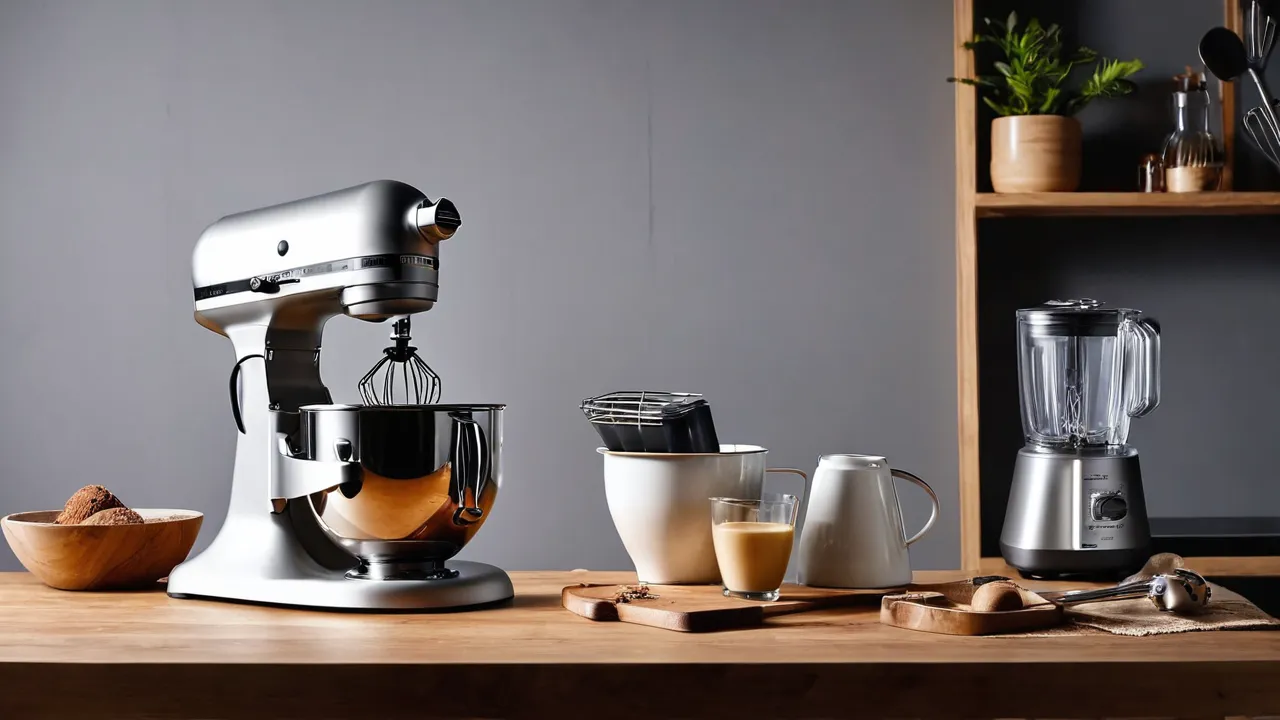
Stand mixer vs hand mixer: buy a hand mixer if you bake occasionally, cook in a small kitchen, or mostly whip cream, beat eggs, and mix cake batter, and buy a stand mixer if you bake bread, make double batches, or want to mix hands-free while you do other tasks. For many households a hand mixer is enough, and a stand mixer is a convenience that pays off with frequent or heavy baking.
What Each Machine Does
A hand mixer is a small motor with two beaters that you hold and move through the bowl. It works in any bowl and any pot, stores in a drawer, and costs less. It handles whipping cream, beating eggs, mixing batters, and mashing potatoes, and many models include whisk or dough hook attachments for light use.
A stand mixer sits on the counter with a fixed head and a bowl, and the beater travels around the bowl in a planetary motion. Its motor is larger, and it holds heavy loads, such as bread dough, for several minutes without your help. It frees your hands for adding ingredients, and it handles bigger batches.
The core tradeoff is power and convenience against cost and space. A stand mixer does more, and a hand mixer does enough for most everyday tasks.
Who Needs a Hand Mixer
- Occasional bakers who make cookies, cakes, and brownies a few times a month.
- Small kitchens and apartments with limited counter and cabinet space.
- Students and first-time bakers who want an affordable start.
- Cooks who mix in a hot pot on the stove, such as custards, since a hand mixer can go into any vessel.
- Cooks who want to travel with a mixer or store it easily.
- Anyone who mostly whips cream and egg whites and beats batters.
Who Needs a Stand Mixer
- Regular bread bakers who knead dough weekly.
- Cooks who make double batches of cookie dough or large quantities of frosting.
- Households that bake together or want to multitask while the mixer runs.
- People with hand, wrist, or shoulder problems that make holding a mixer tiring.
- Cooks who want attachments such as a pasta roller, grinder, or ice cream bowl.
- Serious bakers who value consistent, stable mixing.
Side-by-Side Comparison
| Feature | Hand mixer | Stand mixer |
|---|---|---|
| Space | Drawer | Counter or cabinet |
| Cost | Lower | Higher |
| Heavy dough | Limited | Strong |
| Whipping cream | Good | Very good |
| Hands-free mixing | No | Yes |
| Batch size | Small to medium | Medium to large |
| Mixing in a hot pot | Yes | No |
| Noise | Moderate | Moderate to loud |
| Cleanup | Beaters and bowl | Bowl, beater, and base |
| Attachments | Few | Many |
Where Hand Mixers Fall Short
Hand mixers struggle with stiff doughs, such as bagels or heavy bread, and the motor can overheat if pushed. They tire your hand on long jobs, such as meringue, and they leave your other hand occupied. Splashing is common when you hold the mixer yourself. Beaters sit at a fixed angle, so you must move them to reach the whole bowl.
If you are tempted to use a hand mixer for bread, check the manual first. Many hand mixer dough hooks are designed for short, light mixing, and long kneading can burn out the motor.
Where Stand Mixers Fall Short
A stand mixer takes counter space, and it is heavy to lift into and out of a cabinet. Small amounts can be hard to mix, since beaters may not reach into a big bowl. It costs more, and it has more parts to clean. For a cook who bakes twice a year, a stand mixer may sit unused.
Some people also dislike the noise. Both machines make noise, but a heavy motor under load can be loud. Check the maker’s description if noise matters to you.
Decision Rules
1. Bake bread weekly: stand mixer. 2. Bake cookies or cakes monthly: hand mixer is enough. 3. Limited space and budget: hand mixer. 4. Joint pain or hand weakness: stand mixer. 5. Mixing over a hot stove or in many different bowls: hand mixer. 6. Want attachments such as a pasta roller: stand mixer. 7. Unsure: buy a hand mixer first, and upgrade if you outgrow it.
Many households end up with both. The hand mixer covers small jobs and stovetop mixing, and the stand mixer covers heavy work.
What to Check Before You Buy
For a hand mixer, check the number of speeds, the beater design, how it feels in the hand, and the cord length. A model with a secure beater release and a stand for resting it on a bowl is handy.
For a stand mixer, check bowl size, the stated flour limit for yeast dough, whether the gears are metal, the head design, and the attachment hub. Our stand mixer guides explain the main types, and our best stand mixer roundup compares models. For related appliances, see the blender and mixer guides and the cookware and kitchen tools section. Our How We Review page explains how we evaluate products using research and specifications rather than claims of our own trials.
Worked Example: Three Bakers
A college student bakes cookies and brownies twice a month in a small apartment and chooses a hand mixer for the drawer and the budget. A parent who makes weekly sandwich bread and holiday cookies buys a 5 quart stand mixer. A retiree with arthritis who bakes for the neighborhood chooses a stand mixer for hands-free mixing, even though the recipes are modest. Each choice fits the person’s habits.
Safety Notes
Unplug mixers before changing beaters or cleaning. Keep fingers, spoons, and spatulas out of the bowl while the mixer runs. Do not use a damaged cord. Raw dough and batter can carry germs, so wash beaters and bowls thoroughly, and avoid tasting raw batter that contains uncooked flour or eggs. Follow the maker’s manual for run time and loads.
Cost Over Time and Resale
A hand mixer costs less to buy, but a worn one is usually replaced rather than repaired. A stand mixer costs more up front, but a well-built one can last many years and be repaired, and some hold resale value. If you bake often, the cost per use of a stand mixer drops over time. If you bake rarely, the lower price of a hand mixer wins, and you avoid paying for capacity you will not use. Think in terms of how many times a year you will use the machine, and whether you have space to leave it out, since a mixer that lives in a cabinet is used less often.
Noise, Vibration, and Everyday Handling
Stand mixers run on a stable base and stay put during most tasks, but heavy dough can make the machine shift, so place it on a non-slip surface away from the counter edge. Hand mixers vibrate in your hand, and long sessions can be tiring. Both have a range of speeds, and starting at the lowest speed prevents splatter. Choose a model with a gentle start if flour flying out of the bowl bothers you. If you cook early or late and noise matters, check the maker’s description, since motor design affects both volume and pitch.
Using Both Together
Some recipes use both tools well. Beat egg whites with a hand mixer in a clean bowl while a stand mixer works on cake batter. Melt chocolate and beat it in a heatproof bowl set over a pot with the hand mixer. Make bread dough in the stand mixer and whip cream by hand at serving time. If you own one machine and your recipe asks for two bowls at once, use a whisk or spatula for the second task and keep going. The combination is a convenience, not a requirement, and many cooks bake for years with a single machine.
Storage and Counter Planning
Before buying a stand mixer, find its home. A model left on the counter should sit where you can use it without lifting, near an outlet, and out of splash range of the sink. If you plan to store it in a cabinet, remember the weight, since many models are heavy enough that lifting them repeatedly becomes a reason not to use them. Hand mixers need only a drawer or a hook, and their beaters nest in the body. Measure the cabinet height for tilt-head models, which need room above the bowl when the head is raised.
Frequently Asked Questions
Is a stand mixer worth it over a hand mixer?
It is worth it if you bake bread, make large batches, or want hands-free mixing. For occasional baking, a hand mixer is usually enough and costs less. Think about how often you bake and what you make before spending more.
Can a hand mixer knead bread dough?
Only light doughs, and only for short periods. Hand mixer dough hooks are not built for long kneading, and the motor can overheat. If you bake bread regularly, a stand mixer or hand kneading is a better choice.
Can I use a hand mixer to whip cream and egg whites?
Yes, a hand mixer does this well. Use a clean, dry bowl, and start on a low speed, increasing as the mixture thickens. Move the beaters around the bowl to whip evenly, and watch the time, since overwhipped cream turns grainy.
Do I need both a stand mixer and a hand mixer?
Not necessarily, but many cooks like having both. The hand mixer handles small jobs and mixing in a pot, and the stand mixer handles heavy dough and big batches. If you have space for only one, choose based on your most frequent baking.
Final Thoughts: Match the Machine to the Baking
A hand mixer fits occasional baking, small kitchens, and tight budgets. A stand mixer fits bread, big batches, and hands-free mixing. Start with the hand mixer if you are unsure, and upgrade when your baking outgrows it.
Related buying guides
- Tilt Head vs Bowl Lift Stand Mixer: Which to Buy?
- Blender Jar Material: Glass, Plastic, or Stainless
- Blender Safety: Hot Liquids, Overfill, and Blades
About the author

The BuyOnceChoice Editorial Team researches durable products worth buying once. Our guides compare published specifications, warranty terms, expert review consensus, and verified owner feedback. We do not conduct our own product trials. See How We Review and our Editorial Policy for our standards.