Removable Liner vs Fixed Insulation Winter Boots
A removable liner dries overnight and can be replaced, while fixed insulation is simpler and lighter. Compare drying, cost per season and fit before choosing.
 By BuyOnceChoice Editorial Team
Updated November 16, 2026
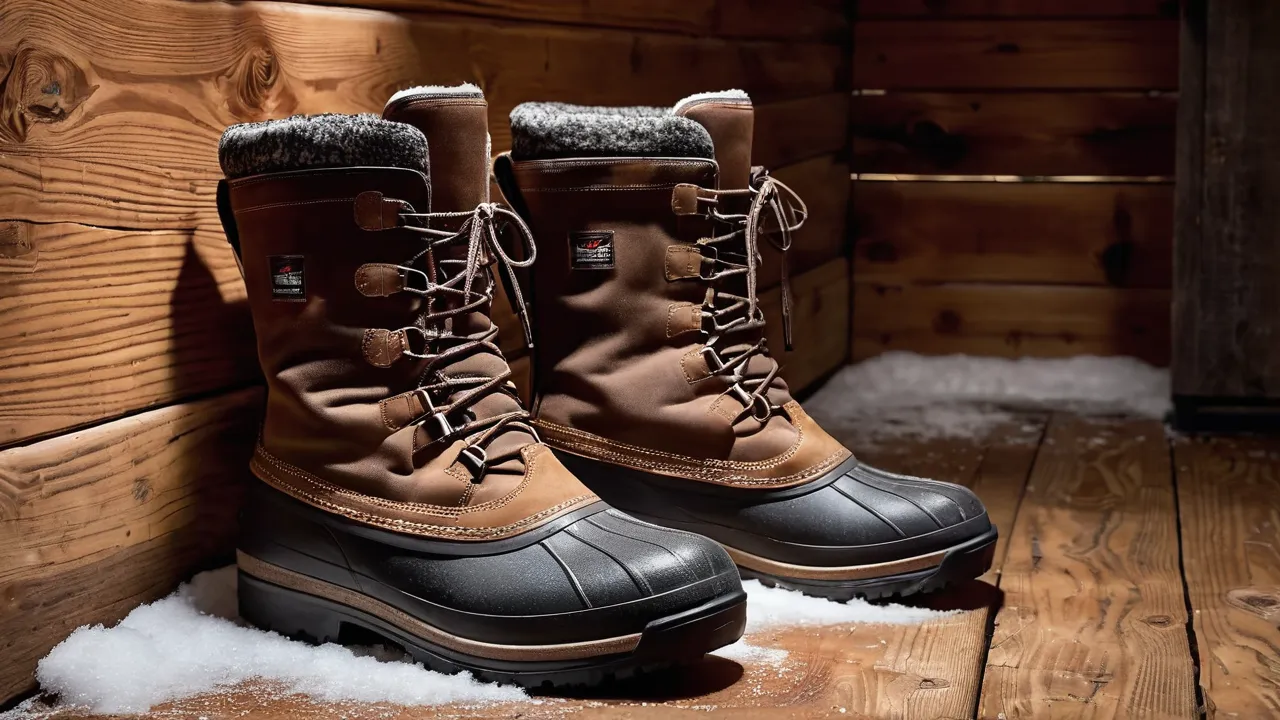
Removable liner winter boots dry faster, let you replace worn insulation and suit cold, wet work, while fixed insulation boots are simpler, lighter and fit more like regular shoes. Choose a removable liner if your boots get wet inside or you wear them daily in deep cold, and skip it if you need a sleek, low volume boot for short outings. Cost per season is often lower with replaceable liners.
How the two systems differ
A removable liner is a separate boot shaped insert, usually felt, foam or synthetic fibers, that slides into the outer shell. You can pull it out to dry, wash it or swap it. Fixed insulation is sewn or bonded into the boot, so it stays with the shell and cannot be removed.
The difference matters most when moisture enters. Sweat, snow and slush all end up in the insulation. A removable liner gives you a way to dry it between uses, while fixed insulation relies on air drying the whole boot, which takes longer.
Liner materials compared
Felt liners, often made from wool or wool blends, are thick, warm and absorb moisture, which is why they dry slowly but feel warm when damp. Synthetic liners use polyester or similar fibers, dry faster, hold less water and often cost less. Some liners combine layers, such as a foam core with a fabric surface or a reflective layer. Closed cell foam resists water, but it can make the foot feel clammy if it traps sweat. There is no single best liner, so match the material to how you use the boot. If you sweat heavily, favor a liner that dries fast. If you stand still in deep cold, favor a thick felt that holds warmth.
Drying and moisture control
Wet insulation loses warmth. A removable liner can be dried overnight, near but not directly on a heat source, and you can rotate a second liner if you work daily in the cold. With fixed insulation, you dry the entire boot, which may take a day or more, and damp insulation can lead to odor and breakdown.
Boot dryers that circulate gentle air work well for both types. Avoid direct heat, which can damage rubber, glue and some insulation. Our winter boot care and storage guide explains safe drying.
Using a spare liner
If you work in the cold every day, a second liner is one of the best additions you can buy. Rotate them so one is always dry. Put the wet liner in a ventilated spot at room temperature, or use a gentle boot dryer. Some people keep a spare in a plastic bag with dry socks in a vehicle, so a wet liner can be swapped at lunch. This helps in long shifts when sweat builds up.
Common mistakes
Many owners put liners near a stove or radiator to hurry drying, which can melt synthetic fibers, damage adhesives and shrink felt. Others leave the liner inside the boot overnight, which traps moisture in the shell. Pull both out, let them air separately and dry them at room temperature. Another mistake is buying a boot that fits snugly with a liner and thin socks, then adding thick socks later. Fit with the combination you will use. Washing depends on the material, so follow the maker’s instructions, since machine washing can mat felt or break down glue.
Warmth, fit and weight
Removable liners can be thick, which adds warmth but also bulk. The shell has to be large to hold the liner, so these boots tend to be roomy and heavy. Fixed insulation can be thinner and more tailored, giving a more form fitting boot that is easier to walk in. Warmth depends on thickness, materials and the sole, so compare constructions rather than assuming.
Check the fit with the socks you will wear. A liner takes volume, and a thick sock may be too much. If the boot is too tight, circulation drops and the foot gets cold. Boot makers size shells to hold a liner, so the listed size already assumes the liner is inside. If you plan to swap to a thinner liner later, expect a looser fit and manage it with an insole or thicker socks. Many people find boots with thick liners run a half size larger than their usual shoes, but the pattern differs by maker, so rely on the size chart and the return policy. Check the calf and shaft fit as well, since a tight shaft can restrict circulation.
Replacement and cost per season
Liners wear out. Felt packs down, and fibers lose loft. Replacing the liner can renew a boot at a lower cost than a new boot, if replacement liners are sold. Ask the maker before you buy. With fixed insulation, once the insulation breaks down, the boot is done or must be rebuilt.
To compare cost per season, estimate how many seasons each boot is likely to last and divide the price. A boot with replaceable liners can last longer, which lowers the cost per season. Compare the full cost, including the spare liner you may want to buy.
What to check on the product page
- Is the liner removable, and can replacement liners be bought?
- Is the liner washable, and what drying method does the maker recommend?
- How thick is the liner and what is it made of?
- Does the shell have a rubber or waterproof lower, so water does not reach the liner from outside?
- Is there a footbed that can also be removed and replaced?
- What temperature rating does the maker state, and what assumptions are behind it?
Vague answers are a warning sign. A temperature rating without a stated activity level is not much use, and a missing replacement liner means the boot has a short life once the liner packs down.
A worked cost per season example
Compare two boots in relative terms. Boot A has fixed insulation and costs less. Boot B has a removable liner, costs more, and the maker sells replacement liners at a modest price. Suppose Boot A loses its warmth after a few hard winters, when the insulation packs down, and you replace the whole boot. Boot B reaches the same point at the same time, but you replace only the liner and keep the shell, which is still sound.
Over a long run, Boot B costs the purchase price plus one or two liners, while Boot A costs two or three purchases. The result depends on whether the shell outlasts the liner, so inspect the sole, seams and upper at each replacement point. If the shell fails at the same time as the liner, the advantage shrinks.
Add the convenience factor. A removable liner lets you dry the boot between shifts, which can matter more than the arithmetic if your feet sweat or your boots get wet inside. That drying benefit can extend the life of both liner and shell, because damp insulation breaks down faster.
Finally, factor in your own habits. If you will not buy a spare liner or dry the liner every night, a fixed insulation boot may serve you equally well, and a simpler boot is easier to live with. Be honest about the routine you will actually keep.
Who should skip removable liners
- People who want a slim boot for short city outings.
- Those who struggle to fit boots with extra volume.
- Users who rarely get their boots wet inside.
- Buyers who need a light boot for active use.
- Anyone with limited storage for spare liners.
Removable liners are not for everyone, and fixed insulation can serve well in dry cold.
Decision rules
- Daily outdoor work in deep cold: removable liner, with a spare.
- Hunting, fishing, long static days: removable liner, roomy fit.
- Commuting and short walks: fixed insulation.
- Kids who outgrow boots: fixed insulation for lower cost.
- Wet, sweaty feet: removable liner.
- Active winter hiking: fixed, thinner insulation for less bulk.
See the clothing and footwear section and how we review for related guidance.
Frequently Asked Questions
Are removable liners better than fixed insulation?
For wet or daily cold use, yes, because you can dry or swap the liner. Fixed insulation is lighter and slimmer, which suits short outings and active use. The better choice depends on how wet your boots get inside and how many seasons you want from them.
Can I replace a winter boot liner?
Only if the maker sells replacements for your model. Ask before you buy, and measure carefully, since liners are sized to the shell. A fresh liner can make an older boot feel noticeably warmer when the shell is still sound.
How do I dry a removable boot liner?
Pull it out and let it air dry at room temperature in a ventilated spot, or use a boot dryer with gentle airflow. Keep it away from stoves and radiators, which can melt fibers and damage glue. Dry the shell separately.
Do boots with removable liners run bigger?
Often a little, because the shell must hold the liner. The pattern varies by maker, so try the boot with your winter socks and the liner in place, check the heel and toes, and use the size chart and return policy.
Final Thoughts
Choose a removable liner when drying and replacement matter, and fixed insulation when weight and a sleek fit matter more. Check that replacement liners are available, fit the boots with your socks and never dry the liner on a direct heater. A system you can dry is a system you can keep.
Related buying guides
- Snow Boot Height: Ankle vs Mid vs Knee High
- Waterproof vs Water Resistant Winter Boots
- How to Dry and Care for Winter Boots Between Seasons
About the author

The BuyOnceChoice Editorial Team researches durable products worth buying once. Our guides compare published specifications, warranty terms, expert review consensus, and verified owner feedback. We do not conduct our own product trials. See How We Review and our Editorial Policy for our standards.