Inverter vs Conventional Generators: What to Buy
Inverter generators suit electronics and quiet use, while conventional ones suit heavy loads and job sites. Here are the trade-offs on power and runtime.
 By BuyOnceChoice Editorial Team
Updated November 16, 2026
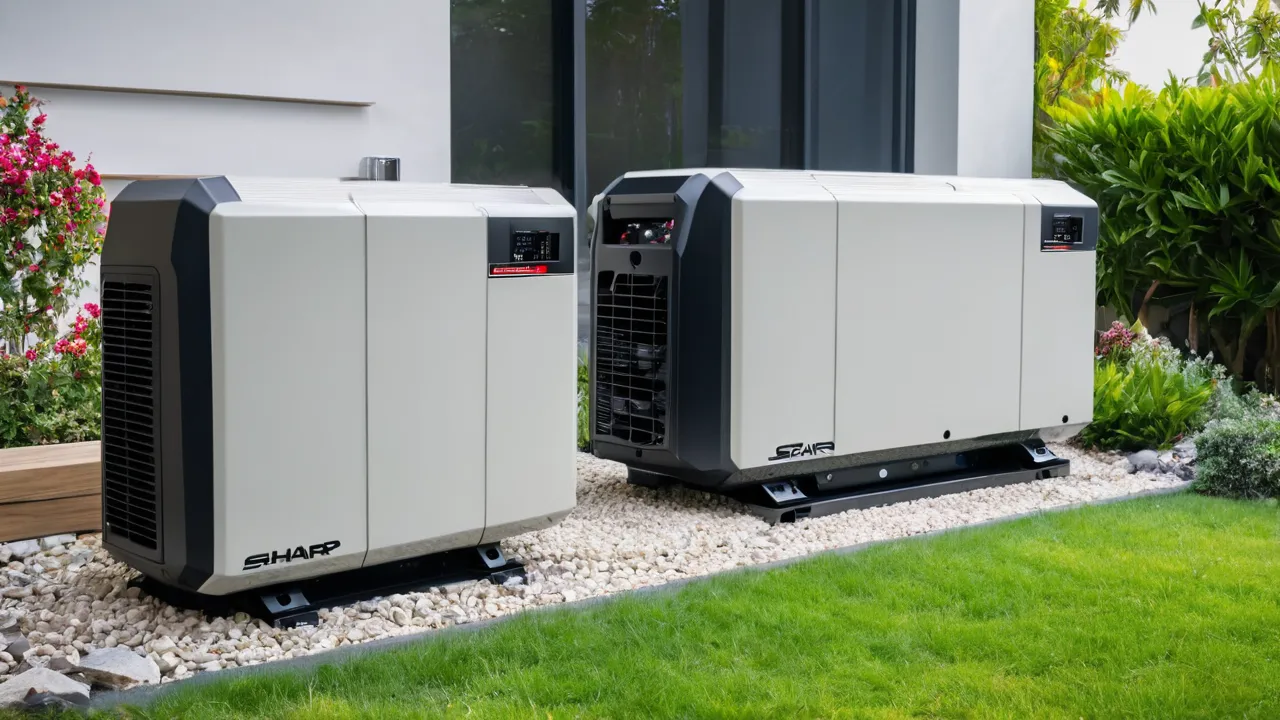
An inverter generator makes alternating current by producing power, converting it to direct current, and rebuilding clean alternating current electronically, while a conventional generator spins its engine at a fixed speed and sends raw alternator output to the outlets. In practice, inverter models are quieter, steadier, and easier on sensitive electronics, and conventional models usually give more watts for the money and handle heavy loads more cheaply.
This comparison gives a verdict by buyer type and shows where seller claims need a second look, especially output limits. For standby and whole-house options, see our whole-home generators category. For portable models of both designs, browse the portable generators category. Read how we review for how we handle specifications, and use our power and energy section for related guides.
How the Two Designs Differ Inside
A conventional portable generator ties the engine directly to the alternator. To hold the standard sixty hertz, the engine has to run at a fixed speed, commonly about 3,600 revolutions per minute, whether you are charging a phone or running a saw. That is simple, rugged, and cheap, but it is loud and burns fuel at nearly the same rate regardless of load.
An inverter generator decouples engine speed from output. Its electronics convert the alternator output and produce a clean sine wave at the target frequency, so the engine can slow down at light loads and speed up as you add devices. The extra electronics add cost and are the reason inverter units tend to cost more per watt. Many are small, enclosed, and designed for portability. Some can be paralleled with a matching unit for more output, which is worth checking in the manual if you expect to grow.
Power Quality and Sensitive Electronics
Voltage and frequency stability matter for electronics. Inverter models typically publish a total harmonic distortion figure, often a few percent. Conventional models often do not publish one, and what they deliver can swing more as the load changes. Laptops, modern furnace control boards, medical devices with their own power supplies, and some televisions are better off on a clean source. Motors, work lights, and resistive heaters are not fussy.
A practical rule: if a device would be expensive or hard to replace, or if your doctor or the device manual requires stable power, favor an inverter model and check that the manual allows generator use. For anything life-critical, such as home oxygen equipment, follow the manufacturer’s guidance and have a plan that does not depend on a single machine.
Noise and Neighbors
Noise is the most obvious difference. Inverter units run quieter at light loads because the engine throttles down, and their enclosures help. Conventional open-frame units are typically louder and constant. Manufacturers publish decibel figures, but conditions vary, so compare numbers measured at the same distance and load. Campgrounds, neighborhoods, and homeowner associations may set limits or quiet hours, so check local rules before you buy.
Output, Cost per Watt, and Heavy Loads
Conventional generators dominate at higher outputs. If you need to run a well pump, a large air conditioner, or a welder, a conventional or a larger dual-fuel unit usually offers more watts per unit of cost. Inverter models exist at higher outputs but cost more and weigh more. Be careful with the numbers: a listing may show starting watts prominently and running watts in small print. Size to the running watts you need continuously, then check that the starting watts cover your largest motor.
Maintenance and Durability
Both need regular oil changes, air filter checks, and fresh fuel. Fuel left in the carburetor is the top cause of no-start problems, so use a stabilizer or run the carburetor dry before storage if the manual says so. Inverter models have more electronics, which are sealed and rarely serviced at home, while conventional models are mechanically simpler and easier for a local shop to repair. Running hours matter more than age: follow the manual’s interval for oil and spark plug changes.
Engine load affects wear. Conventional units run at full speed all the time, which is fine for their design. Inverter units spend more time at low speed, which tends to be gentler. Neither design likes being run for long periods at a tiny load, since the engine can foul, so ask the manufacturer about minimum load guidance.
Safety Notes
Generators produce carbon monoxide, which can kill within minutes in an enclosed space. Run them outdoors, well away from windows, doors, and vents. The Consumer Product Safety Commission advises keeping them at least twenty feet from the house with the exhaust pointed away, and using battery-powered carbon monoxide alarms inside. Many current models include a carbon monoxide shutoff, which is helpful but not a substitute for placement. Never plug a generator into a wall outlet to power the house. Connecting to household wiring requires a transfer switch or interlock installed by a licensed electrician. Follow the manual for fueling, and let the engine cool before refueling.
Who Should Choose Which
- Camping, tailgating, and small outages with electronics: inverter generator.
- Neighborhoods with noise limits or close neighbors: inverter generator.
- Job sites, large pumps, and welders: conventional generator.
- Powering a home through a transfer switch for a long outage: either design, sized to the running watts, with attention to fuel supply and runtime.
- Tight budget and heavy loads: conventional generator, with surge protection for electronics.
If your main concern is noise and clean power, spend on an inverter. If it is watts per dollar, spend on a conventional unit. If you are undecided, list your three heaviest loads and your quietest required location, then see which design fits both without strain. Many households end up owning one of each over time, a small inverter unit for camping and electronics and a larger conventional unit for the house.
A Worked Sizing Comparison
Suppose you want to run a refrigerator, a few lights, a router, and a laptop through an outage. The refrigerator may run at a couple hundred watts but start at several times that, the router and laptop add under a hundred, and lights add a little more. Add the running watts, then add the largest single starting surge, since motors rarely start at the same moment. In that example a mid-sized unit of either design covers the load, and the inverter model wins on noise and fuel use because the total sits well below its rating.
Now change the list: add a well pump or a small window air conditioner. Starting surge climbs sharply, and the generator must supply it. Here a conventional unit of the same price class often has more headroom, while an inverter model with the same headroom costs noticeably more. If you can run the big load only at certain times and switch it off otherwise, load management lets a smaller unit do the job.
Whatever design you choose, leave margin. Running a generator close to its rated continuous output for hours shortens engine life and leaves nothing for startup surges. A common planning habit is to keep continuous load to roughly eighty percent of the rating, but follow what the manual says.
Questions to Ask Before You Buy
- What are the running watts and the starting watts, stated separately, and for which fuel?
- At what load and distance was the decibel number measured?
- Is there a published total harmonic distortion figure, and does the manual say the unit is suitable for electronics?
- Does it have a carbon monoxide shutoff, a low-oil shutdown, and a fuel gauge?
- Can it be paralleled, and if so with which model?
- How is warranty handled, and is there a service center within driving distance?
A seller who cannot answer these from the manual is a signal to look elsewhere. Match the answers against your load list, and discard any listing that only shows peak figures. Also compare dry weight and dimensions if you will lift the unit into a truck or carry it to a campsite, and check the fuel tank size against the runtime you expect, since a small tank at high load may need refueling in the middle of the night. Plan fuel storage with approved containers, outdoors, away from ignition sources.
Frequently Asked Questions
Are inverter generators safe for computers and phones?
Generally yes, because they produce a steadier, cleaner waveform than most conventional units. Look for a published total harmonic distortion figure and read the device manual for generator guidance. A conventional unit can still work with a surge-protected power strip, though the cleaner source is the safer choice for expensive electronics.
Do inverter generators use less fuel?
At light loads, usually yes, because the engine slows down instead of running at full speed. At heavy loads the difference narrows. Compare the manufacturer’s runtime figures at the same load percentage, and remember they are estimates. Your actual runtime depends on load, fuel, and conditions.
Can a conventional generator run a house?
Yes, if it is sized to your running watts and connected through a properly installed transfer switch or interlock by a licensed electrician. Many conventional units suit this role because they offer more output for the cost. Check fuel supply for the outage length you expect, and keep it outdoors.
Final Thoughts
Choose by the job. Inverter generators win on quiet, clean power, and portability, and conventional generators win on output per cost and heavy loads. Read running watts, not just starting watts, check noise at a stated distance, and keep the unit outdoors with working carbon monoxide alarms inside. Use a licensed electrician for any connection to your home.
Related buying guides
- Natural Gas vs Propane Standby Generators
- Portable vs Standby Generators for Home
- Standby Generator Buying Mistakes to Avoid
About the author

The BuyOnceChoice Editorial Team researches durable products worth buying once. Our guides compare published specifications, warranty terms, expert review consensus, and verified owner feedback. We do not conduct our own product trials. See How We Review and our Editorial Policy for our standards.