Natural Gas vs Propane Standby Generators
Output ratings differ by fuel, tanks need sizing, and gas lines can fail in a disaster. Compare both fuels and pick by how your property and region work.
 By BuyOnceChoice Editorial Team
Updated November 16, 2026
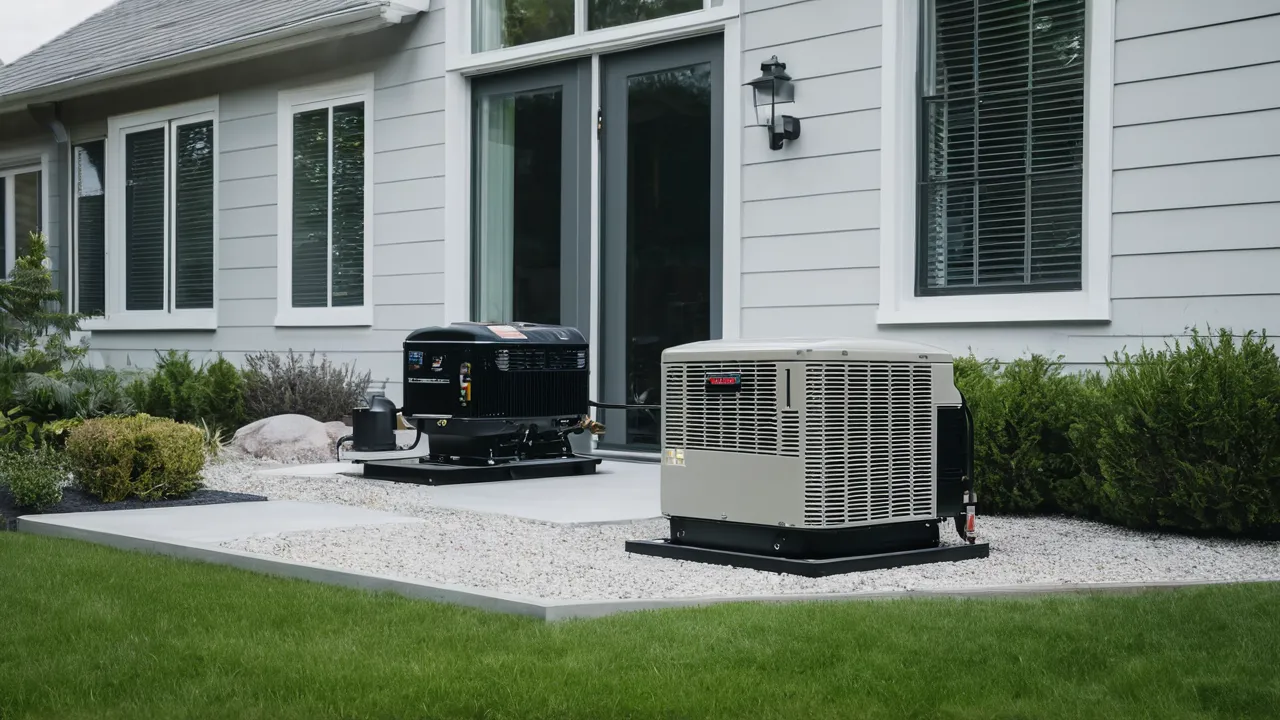
A natural gas standby generator runs from the utility pipeline and never needs a refill, while a propane standby generator runs from a storage tank you own and must keep filled. Natural gas is convenient and has no tank to run dry, but it depends on a working utility line and often yields slightly lower rated output. Propane gives you a stored supply that does not depend on the street, but the tank size sets how long you can run.
This comparison covers output rating differences, tank sizing, and fuel dependency in disasters, then gives decision rules by buyer type. The numbers here are planning figures, so confirm them in the manual for the specific generator and with your gas supplier. Browse the whole-home generators category for standby models, see the portable generator category if you are weighing a smaller option, and read how we review for our approach to specifications.
How the Fuel Changes the Generator’s Output
Most standby generators are sold in versions that run on either fuel, and the spec sheet often lists a different rated output for each. Natural gas holds less energy per cubic foot than propane vapor, and engines running on it commonly produce a little less power, so the manual may list a lower number for natural gas than for propane on the same unit. Compare the rating for the fuel you will actually use, not the larger headline figure.
Fuel flow also differs. Propane is stored as a liquid and vaporizes inside the tank, and cold weather can slow that vaporization when the tank is low. Natural gas arrives at a set pressure from the meter, and the pipe size and distance determine whether the generator gets enough flow at full load. In both cases, the generator’s manual lists fuel consumption at half and full load, and those numbers feed every other decision.
Natural Gas: Strengths and Risks
Natural gas has several strengths. It is available as long as the pipeline works, there is nothing to deliver, and there is no tank to buy or to place on your property. For many homes already connected to gas, the installation is simpler, and running cost is tied to the utility’s rate. Long outages cost no extra planning for fuel.
The risks are about the supply. Pipeline service can be interrupted in major disasters such as earthquakes, flooding, and extreme freezes, and some regions have shut off or curtailed gas to protect the system. The meter and the pipe from the street must be large enough to deliver the generator’s flow on top of your furnace, water heater, and range, and many homes need an upgrade. Ask your utility whether the meter can supply the full-load demand, and ask the installer for a written calculation.
Propane: Strengths and Risks
Propane stores well for a long time, so a filled tank is an independent supply. It suits homes without a gas line, rural locations, and buyers who want control over the fuel during a regional disaster. Propane burns cleanly and does not degrade the way gasoline does, which is helpful if the generator sits unused for long periods.
The risks are logistics. Tanks need to be filled, and deliveries can be delayed during storms or widespread outages, when many households order at once. Tanks are installed with setbacks from buildings, property lines, and ignition sources, and may need permits. Tank size sets your runtime. Prices swing with season and demand, so a supplier contract matters, and you should ask whether the supplier will prioritize your account.
Tank Sizing and Runtime Logic
To estimate runtime, find the generator’s fuel consumption at the load you expect, usually listed in gallons per hour on the spec sheet. Divide the usable propane in the tank by that rate. Tanks are usually filled to about eighty percent, so a nominal five hundred gallon tank holds roughly four hundred gallons usable, and that is the figure to use.
As a worked example, suppose a generator burns about two gallons of propane per hour at the load you expect, and you have a 250 gallon tank filled to eighty percent, which is about 200 gallons. That is around 100 hours, or four days of nonstop running, before any other propane appliances draw from the same tank. In practice loads vary, so the real figure may be longer, and you must subtract what a propane furnace, range, or water heater uses. Use the manual’s actual consumption figures for your model.
Disaster Thinking
Ask what happens in the scenario you are worried about. After a hurricane, roads may be blocked and propane trucks delayed, so a bigger tank buys days. After an earthquake, a gas line shutoff may cut natural gas for a long time, and a propane tank may be unaffected if the connections hold. In a winter freeze, natural gas pressure can drop in some regions, and a propane tank in very cold weather may vaporize more slowly. No fuel is immune to every scenario, so match the fuel to the risk you see in your area.
Installation, Cost Factors, and Fuel Care
Installation costs depend on the pad, the distance to the fuel source, trenching, permits, the transfer switch, and the tank or the gas line work. A propane install adds a tank, a regulator, and underground or aboveground piping. A natural gas install may add a larger meter or line. Request itemized quotes, and compare the same scope. Both fuels require permits and inspection, and gas connections must be made by a licensed professional.
Fuel care differs. Propane needs periodic tank checks and refills before the level gets low, and many owners set a rule to refill at a particular level before storm season. Natural gas needs no refill, but you should confirm the shutoff location and confirm the exercise cycle runs as scheduled. Whichever fuel you choose, schedule the manufacturer’s maintenance and exercise runs, and let the generator run weekly or on its programmed cycle so a fault shows up before an outage.
Questions for Your Installer
- What is the generator’s fuel consumption at half and full load on each fuel, from the manual?
- Can my gas meter and the line from the street supply the full-load flow in addition to my other gas appliances?
- Where will a propane tank sit, what setbacks apply, and does it need a permit?
- What is the rated output on the fuel I will use?
- Who services the unit, and how fast do they respond after a storm?
Ask for each answer in writing on the quote, and compare quotes on equal terms. An installer who can show the gas flow calculation, not just a verbal assurance, has done the homework that protects you.
Two Scenarios in Brief
A suburban household on a city gas main, with a modern meter and a short pipe run, usually does well with natural gas. Outages there tend to be short, no tank is needed, and the generator starts and runs without anyone watching a fuel gauge. A rural household on well water and a long driveway, in an area where storms close roads for days, often does better with a large propane tank and a delivery contract signed before storm season. Their outage risk is long and fuel logistics are the weak point, so stored fuel and a bigger tank carry more weight than convenience.
Decision Rules and Safety
- Choose natural gas if you already have a reliable gas line, your meter and pipe can supply full load, and you prefer no refilling.
- Choose propane if you lack a gas line, live where gas service is unreliable, or want an independent supply and have room for a tank.
- Consider a larger propane tank if outages in your area last many days, and arrange a supplier contract.
- Skip a standby generator, and consider a smaller portable unit or a battery system, if your outages are rare and short.
Generators produce carbon monoxide and must sit outdoors with the clearances in the manual. Gas piping, regulators, and transfer switches must be installed by licensed professionals under local code. Do not modify a generator to run on a fuel the manufacturer has not approved, and never store propane cylinders indoors. Use battery-powered carbon monoxide alarms inside the home.
Frequently Asked Questions
Is natural gas or propane better for a standby generator?
Neither wins everywhere. Natural gas is better when you have a dependable line and want no refilling, and propane is better when you want an independent stored supply or lack a gas line. Compare the output ratings for each fuel on your model, and check your local gas reliability before deciding.
How long will a propane tank run a whole-house generator?
It depends on tank size and load. Divide usable gallons, about eighty percent of the tank, by the generator’s gallons per hour at your expected load. A large tank can last several days, and a small one may last a day or two. Use the manual’s consumption figures and subtract other propane appliances.
Does a generator produce less power on natural gas?
Often yes, because natural gas holds less energy per volume, and many spec sheets list a lower rating for natural gas than for propane on the same model. Read the rating for the fuel you will use, and size the generator to your loads using that figure, with margin.
Final Thoughts
Natural gas suits homes with a strong, reliable line and a preference for convenience, and propane suits buyers who want independence, accept refilling logistics, and have space for a tank. Compare ratings for your fuel, work out runtime from the manual’s consumption figures, and rely on licensed professionals for gas, electrical, and permit work.
Related buying guides
- Portable vs Standby Generators for Home
- Standby Generator Buying Mistakes to Avoid
- Home Standby Generator Cost Factors Explained
About the author

The BuyOnceChoice Editorial Team researches durable products worth buying once. Our guides compare published specifications, warranty terms, expert review consensus, and verified owner feedback. We do not conduct our own product trials. See How We Review and our Editorial Policy for our standards.