Automatic vs Manual Transfer Switch for Generators
An automatic transfer switch moves your home to generator power on its own, while a manual one needs you there. Here is how to match each to your household.
 By BuyOnceChoice Editorial Team
Updated November 16, 2026
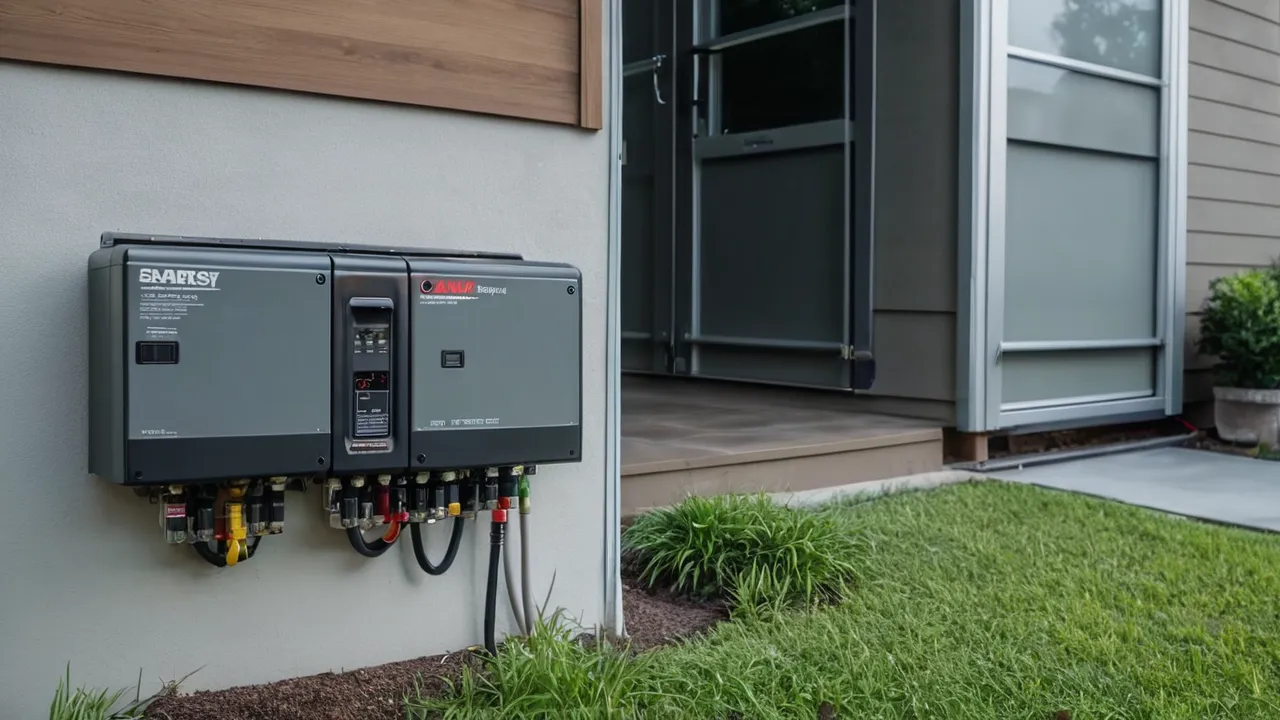
An automatic transfer switch senses a power failure, starts a standby generator and moves your house loads over on its own, while a manual transfer switch makes you start a portable generator, plug it in and flip the switch yourself. Automatic suits permanently installed standby generators and households that cannot be present or ready for outages. Manual suits portable generators and tighter budgets.
What Each Switch Does When the Power Fails
A transfer switch has one job: it connects your home circuits to either the utility or the generator, never both at once. That prevents backfeed, where generator power flows back into the utility lines and can seriously injure line workers.
With an automatic transfer switch, the unit monitors utility voltage. When the power drops out for a set number of seconds, it signals the generator to start, waits for the generator to reach stable voltage and frequency and then moves the load. When utility power returns and stays steady for a few minutes, it transfers back and the generator cools down and shuts off. You do not need to be home.
With a manual transfer switch, you notice the outage, move the portable generator outside, start it, connect it to the inlet with a rated cord, and then flip the switch or breakers to move selected circuits to the generator. When utility power returns, you reverse the steps. The switch itself has no electronics to fail, but it depends on you.
Where Each Type Is Usually Paired
Automatic transfer switches are paired with standby generators, those permanently installed outside the home on a pad and fueled by natural gas or propane. Many are built into the generator package or sold with it, and they have a control board that talks to the generator.
Manual transfer switches and interlock kits are paired with portable generators. A manual switch typically feeds a small subpanel of chosen circuits, such as the refrigerator, furnace fan, lights and a few outlets, while an interlock kit mechanically prevents the main breaker and generator breaker from being on together. A listed power inlet box on the outside wall connects the generator. Each option has different code and permit requirements, so check local rules.
Think about capacity too. Transfer switches are rated in amps, and whole house automatic switches are commonly sized at 100 amps or more, to match the main service, while load center style switches for standby generators may be smaller and cover selected circuits. The switch must be rated for the service it connects to, and the generator must be able to carry the circuits you transfer. An electrician performs a load calculation to confirm that a generator can handle the loads on the switched circuits, including the starting surge of motors like air conditioners and well pumps. Some systems use load management modules that shed large loads, such as an air conditioner, to keep a smaller generator from overloading.
The Households That Gain Most From Automatic
Automatic switching is worth the extra cost for:
- Homes with medical equipment, or occupants who cannot easily manage a generator.
- Households that travel or work away, where a power outage could freeze pipes or spoil food.
- Homes with a sump pump or well pump that must run without interruption.
- Areas with frequent storms or winter outages, where hands on work in bad weather is hard.
- Owners who want the outage to be nearly invisible.
If an outage during your absence could cause damage, such as frozen plumbing or a flooded basement, the automation adds real value.
Consider a concrete scenario. A family goes away for a winter week, and a storm knocks out power on the second day. With a manual setup, nobody is home to start the generator, and by the fourth day the house has dropped in temperature, and pipes may freeze or a sump pit may overflow. With an automatic switch on a standby generator, power returns within seconds to the furnace, sump pump and refrigerator, and the generator reports its status to a phone app on many models. The cost of the system is weighed against the cost of that kind of event, and against the stress of dealing with a generator in a storm.
The Households That Do Fine With Manual
Manual switching works well for people who are home, have a portable generator and want to power essentials during occasional outages. It costs less, has fewer parts, and keeps the generator a portable tool that can serve at a campsite or job site. The tradeoff is effort: you must handle fuel, start the generator, watch the load and refuel during long outages.
Manual users should accept the safety routine. Run the generator outdoors, far from windows and doors, never in a garage or enclosed space, and use carbon monoxide alarms in the house. Use a properly rated inlet and cord, and let a licensed electrician install the switch, since mistakes can cause fires and backfeed.
A practical manual setup has four parts: a portable generator sized for essentials, a listed power inlet box on the outside wall, a transfer switch or interlock kit at the panel and a heavy, rated generator cord. Practice the setup once on a calm day so you know the steps before an emergency. Keep a printed checklist near the panel: move the generator outdoors away from windows and doors, check oil and fuel, connect the cord, start the generator, turn off the main breaker, turn on the generator breaker and then add loads one at a time. Keep fuel stored safely in approved containers, rotated often, and never refuel a hot generator.
Transfer Time, Delay and Exercise Cycles
An automatic system has a delay between the outage and power return. The switch waits a few seconds to confirm the outage, the generator starts and warms, and then transfer occurs. The total gap is often on the order of several seconds to about half a minute, but it varies by product. Lights flicker off and back on, and sensitive electronics without battery backup can reset. A small uninterruptible power supply keeps computers and routers running through that gap.
Standby generators also run regular exercise cycles, commonly a short weekly run, to keep the engine ready. Expect to hear it. Check the manual for the schedule and for how to set the day and time so it does not run at inconvenient hours.
With manual switching there is no automatic gap. The delay is however long it takes you to reach the generator and start it.
Also ask about monitoring. Many standby generators and automatic switches have apps or alerts that tell you when the unit has run, when service is due or if a fault occurs. That feature is valuable for people who travel. Ask about the service schedule as well: most manufacturers call for yearly maintenance that includes oil, filters and a battery check, and an annual visit helps ensure the system works when needed.
Cost and Complexity Trade-Offs
Automatic systems cost more to buy and install, since they include a larger switch, a control wiring run and a permanent generator, and installation involves gas lines or fuel supply, a pad and permits. They need annual service. Manual systems cost less, with a smaller switch or interlock, an inlet and wiring, but they need you to maintain the portable generator and keep fuel on hand.
Consider also the load. A whole house automatic switch can move the entire panel, while a manual switch usually covers selected circuits. Make sure the switch’s amp rating and the generator’s output suit the loads you want to run, and have an electrician perform a load calculation.
Count the full cost picture. For automatic systems, include the generator, the switch if sold separately, the gas line or fuel tank, the concrete or composite pad, permits, labor, annual service and the electricity or gas used during exercise cycles. For manual systems, include the generator, the inlet box, the switch or interlock, the cord, an electrician’s labor, a permit and fuel storage. Ask for itemized quotes from licensed installers so that you can compare equal scopes.
Quick Decision Rule
Choose automatic if you have a standby generator, if anyone depends on power for health, or if you are often away. Choose manual if you have a portable generator, are usually home and want a lower cost setup. If you are unsure, start with manual and an inlet, which can be added to later, but plan the electrical work with a licensed electrician. See the whole-home generators category, the power and energy section and how we review.
Frequently Asked Questions
Do I need a transfer switch for a generator?
If you want to power house circuits, yes, or an approved interlock kit. A switch prevents backfeed that can injure utility workers and damage equipment. Without one, run appliances directly from the generator with extension cords outdoors. Use a licensed electrician for any connection.
How fast is an automatic transfer switch?
Automatic systems typically take several seconds to detect the outage, start the generator and transfer the load, and some take longer. Lights may blink off and back on. Use a battery backup for sensitive electronics, and check the manual for the product’s transfer time.
Can I install a transfer switch myself?
It is not advised. Transfer switches connect to your main panel and involve dangerous voltage, and errors can cause fires or backfeed. Many areas require a licensed electrician and a permit, and inspection. Use a professional for installation.
Is a manual transfer switch good enough?
For many homes, yes. If you are home during outages and have a portable generator, a manual switch powers essentials at lower cost. It requires you to start the generator and manage fuel, so it is less suitable for medical needs or absences.
Final Thoughts
Pick automatic for standby generators, medical needs and frequent absences, and manual for portable generators and lower cost. Either way, use a licensed electrician, never run a generator indoors and keep carbon monoxide alarms working.
Related buying guides
- Diesel vs Gas vs Propane Portable Generators
- Generator Carbon Monoxide Safety Checklist
- Generator Fuel Storage and Stabilizer Basics
About the author

The BuyOnceChoice Editorial Team researches durable products worth buying once. Our guides compare published specifications, warranty terms, expert review consensus, and verified owner feedback. We do not conduct our own product trials. See How We Review and our Editorial Policy for our standards.