Generator Fuel Storage and Stabilizer Basics
Learn how gasoline goes bad, how to fill and label cans, when stabilizer helps and a simple rotation routine for backup generators.
 By BuyOnceChoice Editorial Team
Updated November 16, 2026
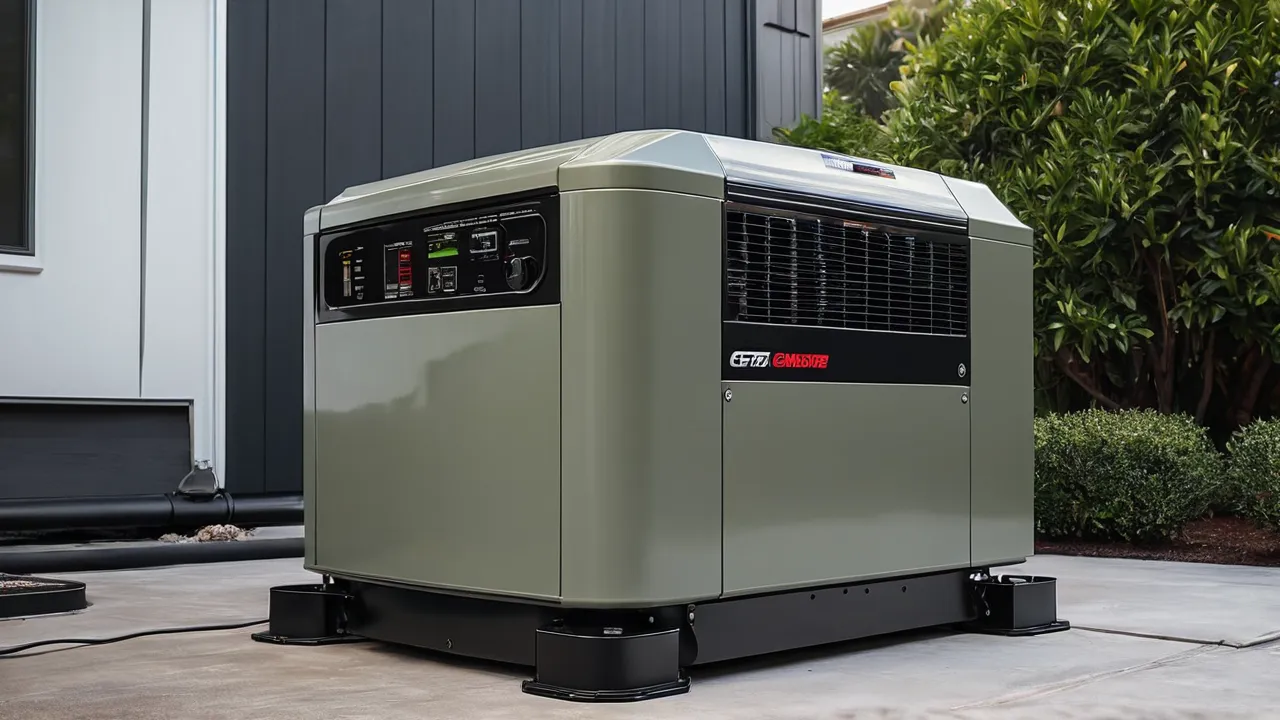
To store generator fuel safely, use approved, labeled containers filled with fresh fuel, add stabilizer at the ratio on its label, store them in a cool, ventilated place away from living areas and ignition sources and rotate the supply on a schedule. Gasoline goes stale in a few months without stabilizer, so a rotation plan matters more than any additive.
What Actually Happens to Stored Fuel
Gasoline is a blend of compounds, and some evaporate or react with oxygen over time. The fuel loses volatility, which makes starting harder, and forms gum and varnish that clog carburetor jets and fuel lines. Ethanol blends add another problem: ethanol attracts water, and the mixture can separate into layers, leaving a watery bottom layer that engines cannot burn.
The time this takes depends on temperature, the container, the amount of air in the can and the fuel blend. Untreated gasoline may show problems within a few months, while stabilized fuel can last about a year in many conditions, according to stabilizer makers. These figures are guides, not guarantees, so inspect stored fuel before using it: stale fuel often smells sour or looks darker.
Learn to inspect fuel before using it. Pour a little into a clear container. Fresh gasoline is clear to light yellow, with a sharp smell. Stale fuel can look darker, smell sour or varnish like and may show a cloudy or separated layer at the bottom. If you see water or layers, do not use it in the generator. Fuel that is only slightly stale can sometimes be blended into a full tank of fresh fuel in a car, but check local rules and the vehicle manual, and discard anything that looks contaminated.
Choosing and Filling Containers
Use containers made for fuel, which are approved and labeled for gasoline. Do not use milk jugs or glass. Choose a size you can lift and pour safely, and have separate containers for gasoline and for any other fuel. Mark each with the fuel type and the fill date.
Fill containers outdoors, on the ground, with the engine and ignition sources away. Leave some room for expansion, as the container instructions say, and do not top off to the brim. Tighten the cap, wipe off spills and keep the container upright. Check local codes for limits on how much fuel you may store at home, since residential limits are often modest.
Pay attention to the cap and spout, since a leaking cap wastes fuel and creates vapors. Replace containers with cracked plastic or a worn seal. Do not store fuel in a container that has held anything else. Stand containers on a level surface, off bare concrete if you want to avoid moisture, and keep them out of direct sun, because heat increases pressure and vapor release. Keep a record of each container’s fill date on a tag or label.
Using Stabilizer Properly
Add stabilizer to fresh fuel, not to fuel that has already gone bad. Follow the label’s ratio, since too much or too little reduces the benefit. Add the stabilizer to the container first when possible, then fill with fuel so that it mixes. Run the generator for several minutes after adding stabilizer to fuel in the tank, so treated fuel reaches the carburetor.
Choose a product that is designed for the fuel you use, such as gasoline with ethanol. Stabilizers slow aging but do not restore old fuel. If fuel has been sitting untreated for a long time, do not add stabilizer and expect it to recover. Dispose of old fuel at a household hazardous waste site.
Remember the order of steps for a generator that will sit. First, fill the tank with fresh fuel and add stabilizer in the right proportion. Second, run the generator for about five to ten minutes so that the treated fuel reaches the carburetor. Third, shut it off and let it cool. Fourth, store it in a dry place. For a generator that is part of your emergency kit, this means it starts the next time you pull the cord or push the button, provided the battery and oil are fine.
A Rotation Schedule You Can Follow
A simple routine keeps fuel fresh:
- Date every container when you fill it.
- Every three to six months, check the stored fuel, and use older fuel in a car or lawn mower, which burn through it quickly.
- Refill containers with fresh fuel and stabilizer.
- Run the generator for 20 to 30 minutes each month under a small load, as the manual recommends.
- Put a calendar reminder at the start of storm season to refresh the supply.
Using older fuel in a car by mixing it in small amounts with a full tank is a common practice, but follow local rules and avoid it if the fuel looks contaminated or smells bad.
For a household with a generator and a few cans, a simple pattern works. Buy fresh fuel at the start of storm or winter season, treat it, label it and set a reminder for three months later. At that point, use the oldest can in your car or lawn mower, refill with fresh fuel and stabilizer and update the label. Keep a small note on the shelf listing the dates and who is responsible. This habit takes a few minutes and means your fuel is never more than a few months old.
Draining the Generator Versus Storing It Full
For long storage, you have two options. Drain the fuel from the tank and run the engine until the carburetor is empty, which prevents gum in the carburetor. Or fill the tank with stabilized fuel and run the engine for a few minutes so treated fuel reaches the carburetor, which keeps seals from drying and reduces moisture inside the tank.
Check your manual, which may recommend one or the other, and may mention a fuel shutoff valve. A generator for emergency use is often stored with fuel in the tank and stabilizer, so that it is ready, and exercised monthly by running it. If you drain the tank, you need fresh fuel on hand at the moment of need.
Check the details for draining. Close the fuel valve, let the engine run until it stops from lack of fuel, and open the carburetor drain screw if the manual describes one. Catch the fuel in an approved container. Do not smoke or work near sparks. If the unit has a fuel tank that can be drained with a siphon pump designed for gasoline, use one. Do not siphon with your mouth. Keep the drained fuel for use in a car or recycle it, depending on its condition.
Special Cases: Diesel, Propane and Ethanol Blends
Diesel keeps longer than gasoline but can grow microbes if water collects, and it can gel in cold weather without winter blends. Keep tanks full to reduce condensation, use a diesel stabilizer or biocide if the label recommends it and filter fuel before use.
Propane stores for very long periods in sealed cylinders and does not go stale. Store cylinders upright outdoors, away from heat, and check hoses and regulators before use. Never store propane tanks indoors.
Ethanol blends need extra care. Some small engine makers advise using fuel with the lowest ethanol content available, or ethanol free fuel for long storage. Check the manual for limits on ethanol percentage.
Safety Around Stored Fuel
Fuel vapors are flammable and can travel along the ground to a flame or spark. Store fuel outdoors in a detached shed or garage away from the house, the furnace, water heater, pilot lights and electrical equipment. Keep it out of reach of children and out of direct sun. Never store fuel in living space. Never refuel a running or hot generator. Use a funnel, wipe spills and let fumes clear before starting. Keep a suitable fire extinguisher nearby. Never run a generator indoors or in a garage, since it produces carbon monoxide. Check with your fire department about storage limits.
For equipment, see the portable generators and whole home generators pages, and how we review for our process.
Frequently Asked Questions
How long can gasoline be stored for a generator?
Untreated gasoline can start to degrade within a few months, and stabilized gasoline can last about a year under good conditions, according to stabilizer makers. Store it in an approved container, away from heat, and use a rotation schedule.
Should I drain the generator tank for storage?
Either draining or storing with stabilized fuel can work. Draining prevents gum if you run the carburetor dry, and a stabilized full tank keeps the unit ready. Follow your manual, and run the generator monthly if you leave fuel inside.
Can I use old gas in my generator?
Avoid it. Old fuel can clog the carburetor and cause rough running. If it smells sour or looks dark, do not use it. Take it to a household hazardous waste site, and refill with fresh fuel and stabilizer.
Where should I store generator fuel?
In approved containers, outdoors in a detached shed or garage away from living areas, heat and ignition sources, and out of reach of children. Follow local limits on quantity, and never store fuel inside the house or near a water heater.
Final Thoughts
Fresh fuel in approved containers, stabilizer used correctly and a rotation schedule keep a generator ready. Store fuel away from living areas, never refuel a hot engine and run the generator monthly so problems show up before an emergency.
Related buying guides
- Generator Noise Levels Explained
- Generator Placement and Clearance Rules for Safety
- Can a Generator Run a Well Pump and Furnace
About the author

The BuyOnceChoice Editorial Team researches durable products worth buying once. Our guides compare published specifications, warranty terms, expert review consensus, and verified owner feedback. We do not conduct our own product trials. See How We Review and our Editorial Policy for our standards.