Can a Generator Run a Well Pump and Furnace
Learn how to match generator output to a well pump and furnace blower, from nameplate amps to surge, wiring, and which loads to stagger.
 By BuyOnceChoice Editorial Team
Updated November 16, 2026
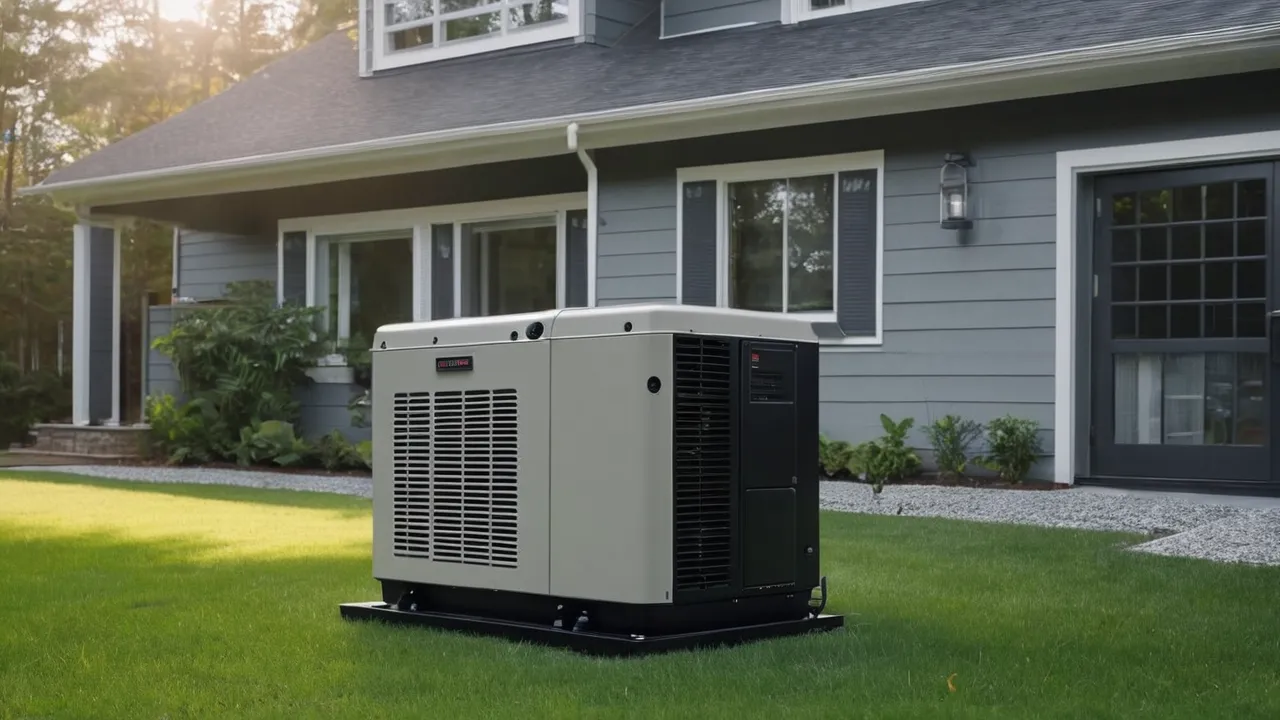
Yes, a generator can run a well pump and a furnace, but the pump decides the size. A typical household well pump needs several times its running watts for a moment at startup, so you size the generator for that surge, read the pump’s nameplate for exact numbers and connect through a transfer switch or interlock installed by a licensed electrician. A furnace blower is a smaller load, but it is usually hardwired and needs a safe connection too.
Why a Well Pump Is a Harder Load Than Its Label Suggests
A well pump is an electric motor, and motors draw far more current for a fraction of a second when they start than they do while running. A half horsepower, 240 volt pump might run at roughly 800 to 1,000 watts, but start at two to three times that, so the generator must briefly deliver 2,000 to 3,000 watts or more. Deeper wells and larger pumps need more.
The pump also does not run constantly. It fills a pressure tank and shuts off, then restarts when pressure drops, so it cycles. During an outage, every restart is another surge. A small generator that handles the running load can still stall or trip its breaker at every start, which is why the surge number matters more than the running number.
Many pumps use 240 volts. That means the generator needs a 240 volt outlet of the right amp rating and the correct plug, not just standard 120 volt receptacles.
Consider an example with deeper wells. A submersible pump in a deep well works against more pressure and may use a larger motor, such as three quarters or one horsepower. Those pumps can run at 1,500 watts or more, and the starting surge may reach 4,000 to 6,000 watts. A generator that handles a shallow well pump comfortably can be too small for a deep well. This is why the nameplate matters more than a rule of thumb from the internet. If your pump has a three wire design with a separate control box, the surge depends on that box. Ask your well service company what your system needs, and write the numbers on a card kept near the generator.
Reading the Nameplate and Control Box
Start with the pump’s nameplate or the manual. Look for horsepower, voltage, running amps and the service factor amps. Multiply volts by amps to get running watts, for example 240 volts times 5 amps is 1,200 volts amps. If the pump has a separate control box above the well, it has start components for the motor, and the label on the box lists the pump’s rating.
If you cannot find the nameplate, a pump installer or your well service company can tell you the model and rating. Do not guess. Some modern variable speed or constant pressure pumps draw less at start because of electronic controls, but check the documentation. A clamp meter used by an electrician shows the actual starting current.
Use a short conversion to make sense of nameplate numbers. If the label shows 240 volts and 8 amps, running watts are about 1,920, which is the product of volts and amps, though the true power can be somewhat lower because of power factor. If the label shows a locked rotor current, multiply it by the voltage to get the worst case starting watts. These estimates are conservative, which is what you want for sizing. When you hire an electrician, ask them to confirm the numbers with a meter.
The Furnace Side: Small Running Load, Easy to Overlook
A gas or oil furnace uses electricity for the blower motor, controls, igniter and sometimes a draft inducer. The blower often draws a few hundred watts, and efficient models with electronically commutated motors draw less, while older models with permanent split capacitor motors draw more. The furnace also needs a surge allowance for its blower motor start.
Furnaces are typically hardwired to a dedicated circuit. That means you cannot just plug one into an extension cord. The safe approach is a transfer switch or interlock that connects the furnace circuit to the generator, installed by a licensed electrician. Electric furnaces, heat pumps with resistance strips and electric baseboard heat draw thousands of watts, and most portable generators cannot support them along with a pump.
Check the furnace’s data plate for amps. A blower motor rated at 5 amps at 120 volts draws about 600 watts at most, and efficient models draw less. Add the igniter, control board and any humidifier or air cleaner on the same circuit. Also remember the thermostat and any zone controls, which are low power. If you use a wood or pellet stove with a fan, treat that as a separate small load. Keep carbon monoxide alarms working near any fuel burning heat source during an outage, since people often run extra heat sources when power is out.
Building a Simple Load List
List each item you want to run, its running watts and its starting watts. For a typical outage plan:
- Well pump: running watts from the nameplate, and starting watts two to three times that, or as the manual lists.
- Furnace blower and controls: from the nameplate or an electrician.
- Refrigerator and freezer: running watts and a starting surge.
- Lights, internet and chargers: small running watts.
Add all the running watts. Then identify the single largest starting surge and add the difference between its starting and running watts. That total is the generator’s minimum rating. Do not forget that motors rarely start at the same moment, so you can sequence loads to avoid stacking surges. Add a margin of at least 20 percent.
Generator Type and Output Matters
Conventional portable generators usually handle motor surges better than small inverter generators, because they have larger alternators. Inverter generators are quieter and cleaner, and many can start a small pump, but their surge capacity can be limited, so check the starting watts and the 240 volt outlet. Larger inverter units and dual fuel models are available.
Check the generator’s outlets: a 30 amp, 240 volt outlet is common for transfer switches and pumps. Check the surge rating, not just the running rating, and note how long the surge can be sustained. A generator that is just big enough on paper can still struggle in cold weather or at altitude, when output drops. See the portable generators category and the whole-home generators guide for options.
Connecting Safely: Transfer Switch, Not Backfeeding
Never plug a generator into a wall outlet to feed the house. Backfeed can send power into utility lines and endanger line workers, and it can start fires. A listed transfer switch or interlock kit, installed by a licensed electrician, separates the house from the utility while the generator is connected. Many well pump and furnace circuits are on a dedicated transfer subpanel with a generator inlet.
Run the generator outdoors only, far from the house, with the exhaust away from windows, doors and vents, and use carbon monoxide alarms inside. Check the manual for placement and refueling. A pump installer or electrician can also advise about pump protection, since running a pump on poor power can damage the motor.
Common Mistakes That Trip Breakers or Stall Engines
- Sizing by running watts and ignoring the start surge.
- Forgetting that the pump needs a 240 volt outlet.
- Using a long thin extension cord, which drops voltage and strains the motor.
- Starting all loads at the same time.
- Trying to power an electric furnace or air conditioner from a small unit.
- Skipping the transfer switch and plugging in the furnace through improvised adapters.
- Running the generator in a garage or too close to the house.
A subtle mistake is running the pump while the pressure tank is already full, or repeatedly cycling it by running water in short bursts. Each cycle is another surge. Run water in longer sessions when you need it, and fill containers while the generator is running. Another mistake is skipping basic maintenance on the generator, such as fresh fuel and a clean air filter, which leads to weak output at the moment you need it. Run the generator under load once a season with your actual pump circuit, as the electrician advises, to confirm it will start.
Who Should Choose Which Setup
- Short outages, gas furnace and a shallow well: a mid size portable generator with a transfer switch or interlock may be enough.
- Frequent or long outages, deep well, other big loads: a larger portable or a standby generator.
- Occupants with medical needs or who are often away: a standby generator with automatic transfer.
- Water only for a few hours a day: fill tubs and containers when power is on, and run the pump in short sessions.
Compare options in the power and energy hub and read our review process page to see how we select products.
Think about water use during an outage. A household can often get by running the pump for an hour in the morning and an hour in the evening to fill the pressure tank, bathtubs and buckets, and then turn the generator off. This reduces fuel use and noise. Also consider a manual transfer switch with only the well pump and furnace circuits, which keeps the generator size smaller than a whole house setup.
Frequently Asked Questions
What size generator do I need for a well pump?
Check the pump’s nameplate for running watts, then size for its starting surge, often two to three times higher. A half horsepower pump commonly needs a generator with at least a few thousand starting watts and a 240 volt outlet. Confirm with the pump manual or a well technician.
Can I run a well pump on an inverter generator?
Sometimes. Small pumps may run on a larger inverter generator if it has enough surge capacity and a suitable outlet. Check both the surge rating and the pump’s starting current, and consult the pump or generator manual. When in doubt, choose a unit with more surge margin.
Can I plug my furnace into a generator?
Most furnaces are hardwired, so they need a transfer switch or interlock installed by a licensed electrician. Plugging in with improvised cords or adapters can create fire and backfeed hazards. Some furnaces have a plug, but still follow the furnace and generator manuals.
Will a generator run my electric furnace?
Usually not a portable one. Electric furnaces and heat strips draw several thousand watts, which exceeds many portable generators when combined with a pump. A larger standby generator or a different heat source may be needed. Have an electrician calculate the load.
Final Thoughts
Size the generator for the pump’s starting surge and confirm the 240 volt outlet, add the furnace blower and other essentials with a margin and connect through a transfer switch installed by a licensed electrician. Run the generator outdoors, far from the house, with carbon monoxide alarms working.
Related buying guides
- Generator Surge Watts vs Running Watts
- How Long Does a Whole House Generator Last
- Inverter vs Conventional Generators: What to Buy
About the author

The BuyOnceChoice Editorial Team researches durable products worth buying once. Our guides compare published specifications, warranty terms, expert review consensus, and verified owner feedback. We do not conduct our own product trials. See How We Review and our Editorial Policy for our standards.