Generator Carbon Monoxide Safety Checklist
Carbon monoxide from generators is silent and fast. Use this checklist for alarms, placement, fuel handling and what to do the moment an alarm sounds.
 By BuyOnceChoice Editorial Team
Updated November 16, 2026
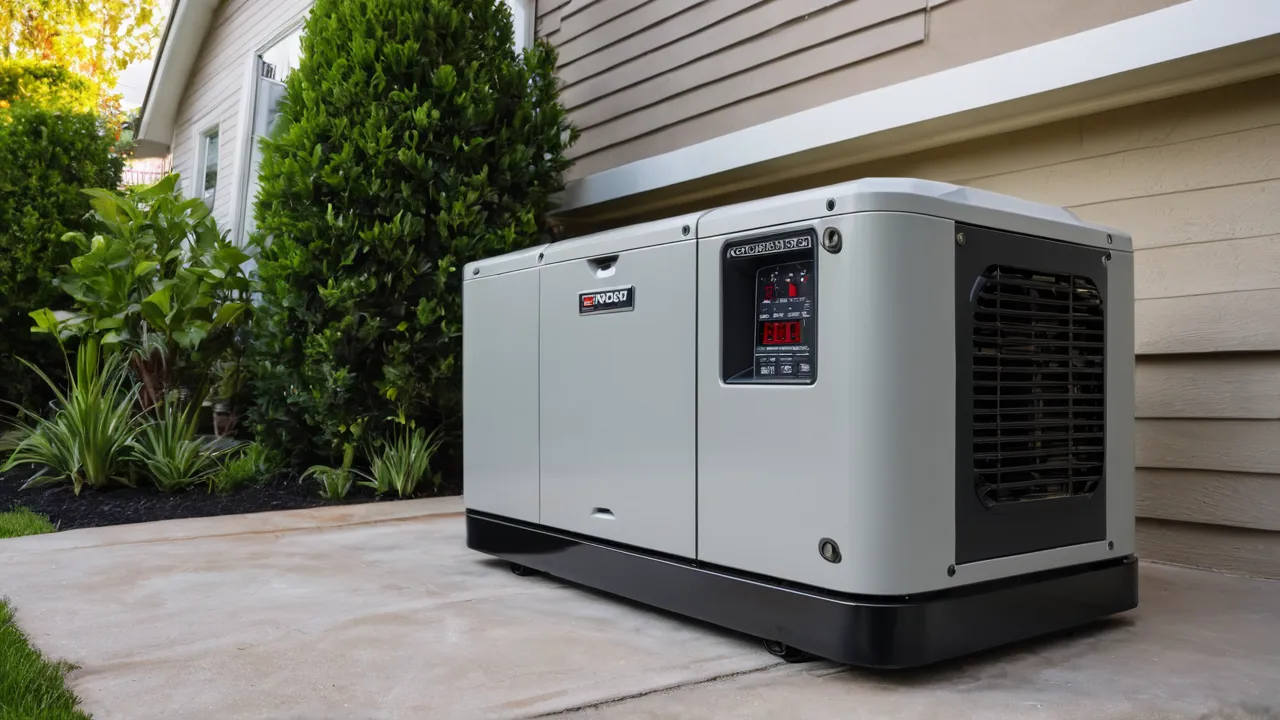
Generator carbon monoxide safety means running a generator only outdoors and far from the house, keeping the exhaust pointed away from windows, doors and vents, never using it in a garage or enclosed space and having working carbon monoxide alarms inside. Use the checklist below before and during every outage, and follow your manual and official guidance from sources such as the CPSC.
Why Generator CO Is So Dangerous
Carbon monoxide, or CO, is a colorless, odorless gas produced when fuel burns incompletely. A gas or propane generator makes large amounts of it, far more than a car with a modern emissions system. You cannot see or smell it, and it can build up inside a home in minutes if exhaust enters through a door, a window, an air intake or a gap.
CO displaces oxygen in the blood. Early symptoms resemble the flu: headache, dizziness, weakness, nausea and confusion. People who are asleep or intoxicated may not notice symptoms before losing consciousness. Opening a garage door or running a fan does not make indoor operation safe. Most generator CO deaths follow storms and power outages when people run generators too close to their homes.
Before the Outage: Preparation Checklist
- Install CO alarms on every level of the home and outside sleeping areas, following the alarm maker’s instructions.
- Use alarms with battery backup, or plug in alarms with a battery, and replace batteries on schedule.
- Check each alarm’s date and replace units that have passed their life, as the label states.
- Pick the generator spot ahead of time, outdoors, on a level and dry surface, far from the house.
- Read the generator manual for placement, fuel and shutdown instructions.
- Stock fuel in approved containers, stored away from living areas.
- Keep a flashlight, outdoor rated extension cords and a way to cover the generator from rain, with a design that allows ventilation.
- Share the plan with every adult in the household.
Add a short readiness drill. Once a season, press the check button on every CO alarm to confirm it sounds, check that the batteries are fresh and look at the replacement date on the back. Keep a spare set of batteries in a drawer next to the flashlight. Walk the route from the house to the generator spot and check that cords reach without passing through a closed door. Keep the manual in a plastic bag near the generator, so that the shutdown instructions are close at hand. If you rent, tell the landlord where you plan to run a generator and ask about local rules.
During the Outage: Operating Checklist
- Run the generator outdoors only, never in a garage, basement, crawl space, shed or carport, even with doors open.
- Place it at a distance from the house. Official guidance commonly recommends at least 20 feet, with the exhaust pointed away from the home and from neighbors. Follow your manual if it gives a larger distance.
- Keep it away from windows, doors, vents and air conditioner intakes, including those of neighboring buildings.
- Use heavy duty outdoor rated cords to bring power inside. Do not run cords through a window that must remain open, and do not pinch them in a door.
- Do not plug the generator into a wall outlet. Use a transfer switch installed by a licensed electrician.
- Refuel only when the generator is off and cool.
- Check the alarms. If one sounds, follow the alarm steps below.
- Keep children and pets away from the generator and the exhaust.
Make the checklist a habit during an outage. Every few hours, step outside to check the generator, fuel and the wind direction, since wind shifts can send exhaust toward a window. Check the CO alarms and confirm that no one has moved the generator closer to the house for convenience. If it rains, use a canopy designed for generators with open sides, rather than closing it in. If you hear the alarm even once, treat it as real. Remember that fatigue and stress in an outage lead to shortcuts, so a written checklist on the refrigerator door helps everyone follow the same steps.
What to Do If an Alarm Sounds
Treat every CO alarm as real. Move everyone, including pets, outside to fresh air immediately. Call 911 or your local emergency number from outside. Do not go back inside until emergency responders say it is safe. If anyone has symptoms, such as headache, dizziness or nausea, get medical attention and tell responders you suspect CO. Turn off the generator if you can do so safely from outside, but do not enter the house to do so.
Know the difference between an alarm and a low battery chirp. A low battery chirp is a short beep about once a minute, and an alarm is a loud repeated pattern, as described in the alarm manual. Learn both patterns before you need them. If you are unsure, go outside and call emergency services, and let responders decide. Do not ventilate by opening windows and going back in, and do not assume a short alarm was a false one.
After an Alarm
Do not restart the generator until you have figured out what happened. Common causes include a generator too close to a window or door, an open garage door nearby or exhaust drawn in by a vent. Move the generator farther away, check the wind direction and have the home checked by qualified professionals if CO entered. Replace alarms that have failed or expired. Review the plan with everyone in the household.
Standby Generators and CO
Permanently installed standby generators also produce CO and must be installed by licensed professionals following code and the manufacturer’s clearances from windows, doors and air intakes. The exhaust must be directed away from the house, and the unit must have proper ventilation. Keep the area around it clear of snow, leaves and debris. Alarms are still needed inside. See the whole-home generators category for permanent options.
Ask the installer to explain where the exhaust exits and how the unit is positioned relative to windows, doors and air intakes. Keep shrubs, snow and debris away from the enclosure. After heavy snow, clear the unit and its exhaust path. If you ever smell exhaust inside the house while a standby generator runs, treat it as a CO hazard, leave the house and call for help.
Who Should Choose a Battery Instead
A portable power station or home battery produces no exhaust and can be used indoors, per the manual, which removes the CO hazard. It holds limited energy, but for small loads such as a refrigerator, internet and lights, it can be a safer choice. See the portable power station category and the portable generator category to compare.
Safety and Professional Work
Do not connect a generator to a house yourself. Backfeeding can injure utility workers and start fires. A licensed electrician should install a transfer switch or inlet. Follow local code, permits and the manual. Do not modify exhaust systems.
Choosing and Placing CO Alarms
Choose alarms that meet recognized standards, such as a recognized safety listing, and follow the maker’s placement guidance. Place one on each level and outside each sleeping area. Do not place alarms directly next to fuel burning appliances or in humid areas unless the instructions allow it. Replace batteries on schedule and replace the alarm at its end of life date.
Think about layout. In a multi story home, put alarms on each level, including the basement, and outside every sleeping area. In a large home, add alarms at the ends of long hallways. Choose alarms with a digital display if you want to see readings, and choose battery powered or battery backup units so that they work when the power is out. Check that alarms are not blocked by furniture or curtains, and vacuum dust from them as the maker advises.
Talking Through the Plan With the Household
Write a one page plan with where the generator will go, who handles fuel, what to do if an alarm sounds and where to meet outside. Walk through it. Include guests and caregivers. Practice the evacuation with children.
Small Engines Beyond Generators
Pressure washers, portable heaters, charcoal grills, camp stoves and other fuel burning tools also make CO. Never use them indoors or in enclosed spaces. See how we review for our approach.
Frequently Asked Questions
How far should a generator be from the house?
Official guidance commonly says at least 20 feet, with exhaust pointed away from the house and neighbors, and away from windows, doors and vents. Follow your manual if it gives a larger distance. Never run a generator in a garage or enclosed space.
Does opening the garage door make it safe to run a generator?
No. Carbon monoxide can build up quickly even with the door open and can seep into the home. Generators must run outdoors only, far from the house. Use a battery power station for indoor needs.
What are the symptoms of carbon monoxide poisoning?
Headache, dizziness, weakness, nausea, confusion and shortness of breath, often like the flu. People asleep may not notice symptoms. If an alarm sounds or you feel ill, get outside to fresh air, call emergency services and do not go back inside.
Do I need a CO alarm if I only use a generator outdoors?
Yes. Exhaust can drift into the home through gaps, vents and open doors, and wind can change direction. Alarms on every level and outside sleeping areas add protection. Use battery backup so they work during the outage.
Final Thoughts
Run generators outdoors, far from the house and away from openings, use a transfer switch installed by a licensed electrician and keep working CO alarms on every level. If an alarm sounds, get everyone outside and call emergency services.
Related buying guides
- Generator Fuel Storage and Stabilizer Basics
- Generator Noise Levels Explained
- Generator Placement and Clearance Rules for Safety
About the author

The BuyOnceChoice Editorial Team researches durable products worth buying once. Our guides compare published specifications, warranty terms, expert review consensus, and verified owner feedback. We do not conduct our own product trials. See How We Review and our Editorial Policy for our standards.