Pac Boots vs Insulated Hiking Boots vs Snow Boots
Pac boots, snow boots and winter hiking boots solve different problems. Match the type to how much you move, how deep the snow is and how cold it gets.
 By BuyOnceChoice Editorial Team
Updated November 16, 2026
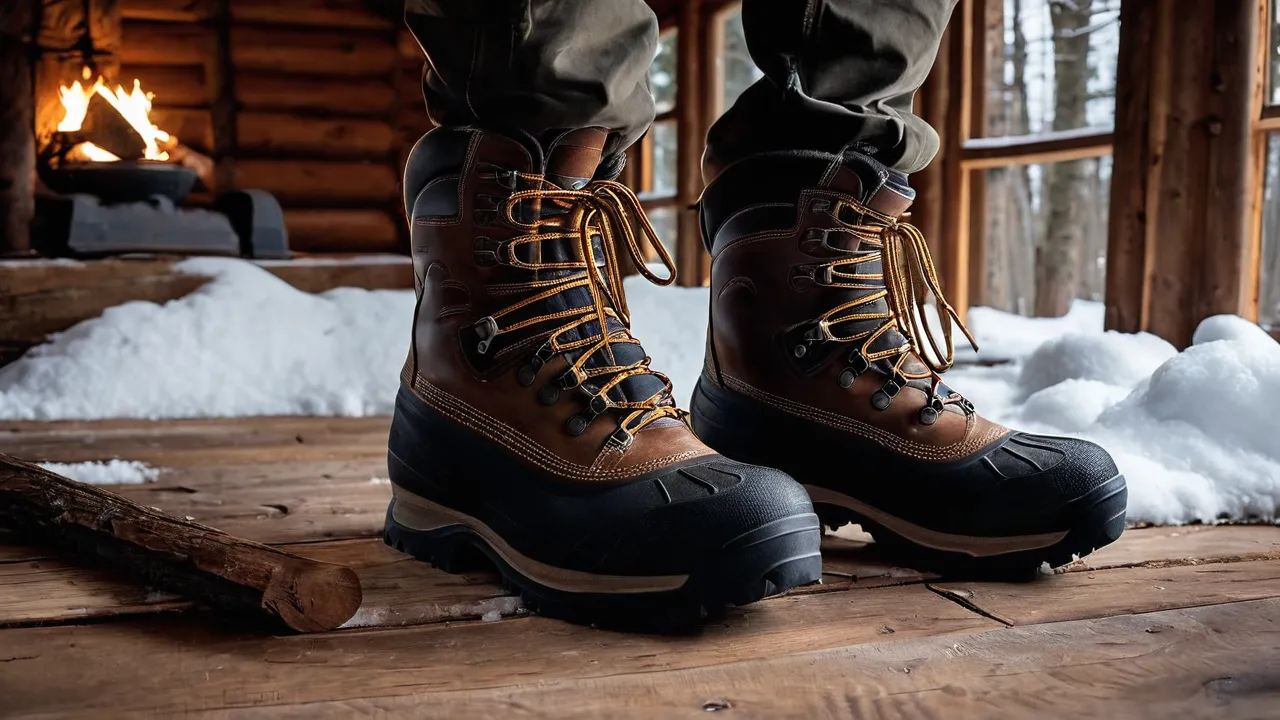
Pac boots vs snow boots vs insulated hiking boots is a choice by activity. Pac boots suit standing or slow work in deep cold because of thick removable liners. Snow boots suit mixed winter use with moderate activity and waterproof shafts. Hiking boots suit moving fast over trails, where warmth comes from effort and socks. Choose by how much you move, the depth and wetness of the snow and the temperature range, and plan for a liner or sock system that can dry between days.
Three boot types, three jobs
The names overlap in stores, so start with what each type is built to do. A pac boot, sometimes called a shoepac, combines a waterproof rubber lower with a leather or fabric upper and a thick removable felt or synthetic liner. It is designed for cold, wet conditions, often with long periods of standing or low activity, such as ice fishing, hunting stands, plowing and outdoor jobs.
A snow boot is a general winter boot with a waterproof shell, insulation, a gusseted tongue and a high shaft. It is the daily wear option for shoveling, commuting and playing outside. A hiking boot, even an insulated winter model, is built to flex and support the ankle over distance. Warmth is usually lower, and it relies on you generating heat through movement.
How the construction differs
| Feature | Pac boot | Snow boot | Hiking boot |
|---|---|---|---|
| Lower | Molded rubber | Rubber or waterproof synthetic | Leather or fabric with membrane |
| Insulation | Thick removable liner | Fixed or removable lining | Light to moderate |
| Weight | Heavy | Moderate | Lighter |
| Flexibility | Stiffer | Moderate | Most flexible |
| Best for | Cold, wet, low movement | Everyday winter use | Active movement on trails |
The table shows tendencies. Individual models vary, so check the product page and the manual for materials and care. Our winter boots guides cover the details of insulation and liners.
Temperature ratings and how to read them
Many winter boots carry a temperature rating, often stated as a low temperature limit. Treat it with caution. The figure is set by the maker, based on assumptions about activity level, socks and exposure, and there is no single standard behind every rating on the market. A rating suited to someone walking briskly may be optimistic for someone standing on a frozen lake. When you compare boots, look at the construction: thickness of the liner, whether the sole has an insulating midsole, and whether the shell is waterproof.
Cold gets in through the sole. Hard rubber outsoles conduct cold from frozen ground, and thin soles let heat escape. Pac boots often have thicker, insulating soles, which is part of why they feel warmer when you are standing still.
Why removable liners matter
A removable liner can be pulled out at the end of the day and dried near, but not on, a heat source. Boots with fixed insulation can stay damp for days, which cools the foot and breaks down the insulation. With a removable liner, you can dry the liner overnight and put on a fresh one in the morning.
Liners also wear out. Felt packs down, and synthetic fibers can lose loft. When a liner is flattened, the boot feels colder even though the shell is intact. Replacing the liner can renew the boot, which makes pac boots a good fit for a buy once approach. Check whether the maker sells replacement liners for the model before you buy.
Matching the boot to your activity
Standing, sitting or slow work
Choose a pac boot or a heavily insulated snow boot. You are producing little heat, so insulation matters most. Add a good moisture wicking sock and a wool or synthetic insole.
Mixed commuting and shoveling
A snow boot is the common answer. It handles slush, light snow and short outdoor stints, and it is easier to wear indoors than a heavy pac boot. Look for a waterproof lower, a gusseted tongue and a traction outsole.
Hiking and snowshoeing
Choose a winter hiking boot with moderate insulation, a stiff enough sole for traction aids and a design that works with gaiters. Too much insulation causes sweating, and wet socks cool you faster.
Fit and sizing with liners
Insulated boots need volume. A thick liner reduces space, and a thick sock adds to it. If the boot is too tight, circulation drops and the foot feels colder, not warmer. Fit boots with the socks and liners you will wear, in the late afternoon, and leave a little room to wiggle your toes. The heel should sit firmly, since a loose heel causes blisters and lets snow in.
Some pac boots run large to allow for the liner, and some makers sell half sizes for fine adjustment. If you plan to swap liners, buy the pair that works with your thickest liner and use insoles to adjust for thinner ones.
Traction, care and common mistakes
Outsole design matters as much as insulation for safe winter movement. Deep, widely spaced lugs shed snow and bite into soft ground, while a softer rubber compound stays flexible in cold and grips better on slick surfaces. Hard, flat soles stiffen in cold and slip more easily. Pac boots often have a stiff, aggressive sole that works well in snow but can feel clumsy on pavement. Some winter boots accept removable traction devices. Follow the manufacturer’s instructions if you add one, and remove it before walking on indoor floors.
Wipe off salt, dirt and slush after each use, since salt can stain leather and corrode stitching. Remove the liners and let them air dry away from direct heat, and let the shells dry at room temperature. Store the boots in a cool, dry place in the off season.
Common mistakes:
- Buying an arctic rated pac boot for a short commute, then sweating and cooling off.
- Wearing hiking boots for long, static work in the cold.
- Skipping the sock system, relying on the boot alone.
- Ignoring shaft height and snow depth.
- Drying liners next to a heater, which can warp them.
- Forgetting that an insulated boot needs more room, which changes the size you buy.
Worked examples
Consider three winter plans. A hunter sits in a stand for hours at low temperatures with little movement. Heat production is minimal, so thick insulation, an insulating sole and a removable liner that can be swapped at midday are the priorities. A pac boot fits, and the weight is a fair trade.
A parent walks kids to school, shovels the driveway and runs errands. Activity comes in bursts, and slush and salt are the main issues. A snow boot with a waterproof lower, a gusseted tongue and a lugged sole handles the day, and a moderate liner avoids sweating during the shoveling.
A weekend trail walker covers several miles on packed snow. Movement generates plenty of heat, so a winter hiking boot with moderate insulation, a flexible sole and gaiters for deeper snow fits better than a heavy pac boot. A spare pair of wicking socks matters more than extra insulation.
If your winter includes more than one of these plans, consider two pairs. A snow boot for daily life and a pac or hiking boot for the specialized activity usually costs less over time than forcing one boot to do everything, and each pair lasts longer when it rests between uses. Compare the liner situation for each pair before you buy, and keep the return window open until you have worn them in real conditions.
Decision rules by buyer
- Ice fishing, hunting, plowing or long outdoor standing: pac boots with replaceable liners.
- Daily winter wear and school runs: snow boots.
- Active winter trails: winter hiking boots with moderate insulation.
- Wide feet or calves: check shaft and volume.
- Wet, slushy cities: waterproof shells and salt resistant materials.
- Work with safety requirements: look for insulated safety toe options, and confirm the markings your job requires.
See also our clothing and footwear section and how we review.
Frequently Asked Questions
What is the difference between pac boots and snow boots?
Pac boots pair a waterproof rubber lower with a thick removable liner and suit long, still periods in deep cold. Snow boots are general winter boots with waterproof shells and moderate insulation that suit commuting, shoveling and play. Pac boots are heavier and stiffer.
Are pac boots good for walking long distances?
Not usually. They are heavy and stiff, and a thick liner can make you sweat when you move, and damp socks then cool you quickly. For long walks or trails, a winter hiking boot with moderate insulation is a better choice, paired with wicking socks.
Can I wear hiking boots in snow?
For short or active outings, yes, especially insulated waterproof models. For long, still periods in the cold, they usually lack the insulation of snow or pac boots. Use warm socks, gaiters for deep snow and watch for damp feet and cold toes.
How do I know what temperature rating to trust?
Treat ratings as the maker’s estimate, not a standard. They assume an activity level and sock system. Compare liner thickness, sole insulation and waterproofing, and remember that standing still needs warmer boots than walking, so adjust for your own activity and circulation.
Final Thoughts
The three types are tools for different jobs. Pac boots lead in cold, wet and still conditions, snow boots cover the middle ground for everyday winter life, and hiking boots win when you are moving. Choose by activity first and by temperature second, and favor a design with a liner you can dry or replace.
Related buying guides
- Removable Liner vs Fixed Insulation Winter Boots
- Snow Boot Height: Ankle vs Mid vs Knee High
- Waterproof vs Water Resistant Winter Boots
About the author

The BuyOnceChoice Editorial Team researches durable products worth buying once. Our guides compare published specifications, warranty terms, expert review consensus, and verified owner feedback. We do not conduct our own product trials. See How We Review and our Editorial Policy for our standards.