Battery Backup Sump Pump vs Water Powered Backup
Compare runtime assumptions, battery replacement cost and water pressure dependence for the two main sump pump backups, and see who should skip each.
 By BuyOnceChoice Editorial Team
Updated November 16, 2026
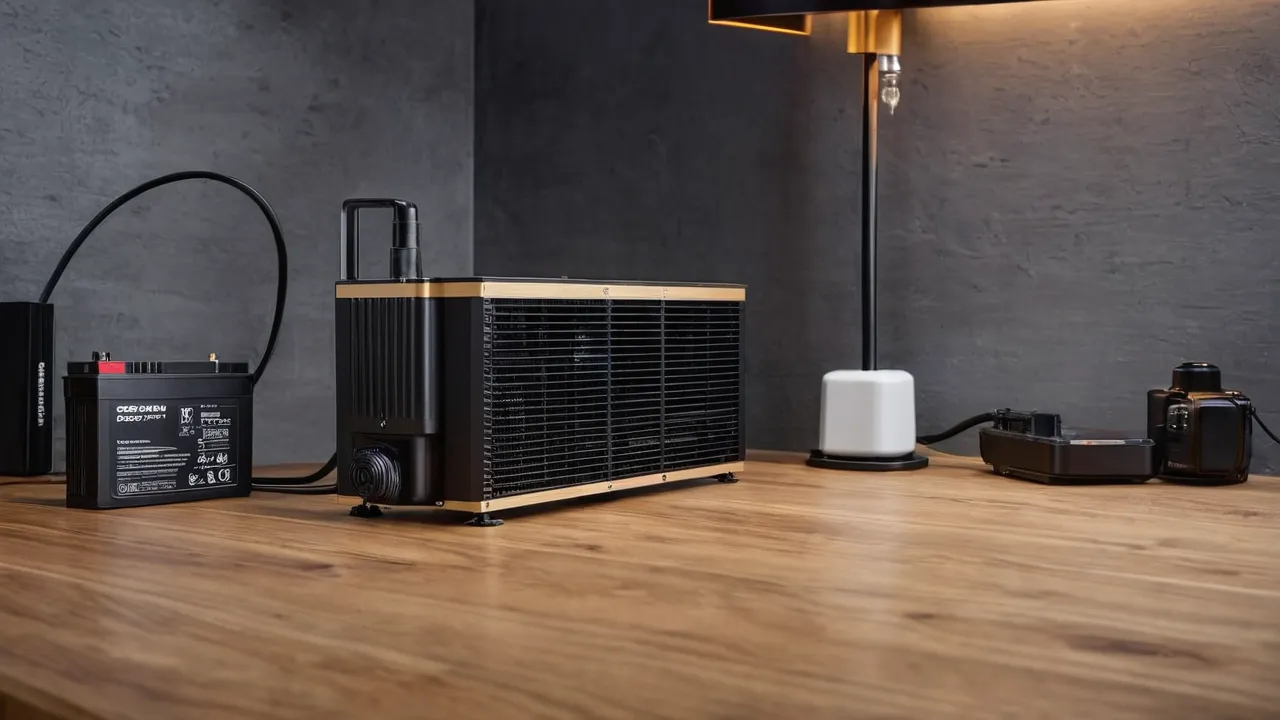
A battery backup sump pump runs on a stored battery when power fails, while a water powered backup uses your home’s water pressure to drain the pit with no electricity. Choose a battery backup if you want a backup that works on any water supply for a limited number of hours. Choose a water powered unit if you have city water at good pressure, want no battery to maintain, and can accept the extra water use. A well owner cannot rely on a water powered unit, because a well pump needs electricity.
What each system does
A battery backup system adds a second, smaller pump in the pit, a controller and a deep-cycle battery in a vented box. When the primary pump fails or the power goes out, the controller switches to the battery pump. A charger keeps the battery topped up while power is on.
A water powered backup uses the pressure of your home’s water supply to drive an ejector, which creates suction that pulls water from the pit and sends it out the discharge line along with the supply water. It needs no electricity and no battery, only a connection to a pressurized water line that meets the maker’s minimum pressure.
Runtime: the assumption that matters
A battery backup’s runtime depends on the battery’s capacity, the pump’s current draw and how much water you need to move. Makers publish runtime estimates at stated conditions, such as continuous running or a duty cycle where the pump runs a fraction of the time. Read those conditions. A pump that runs continuously drains a battery much faster than one cycling occasionally.
Use a worksheet. Find the battery capacity in amp hours and the pump’s draw in amps from the maker, and divide to get hours of continuous running. Then think about your storms: in a steady downpour lasting a day, how long will the pump run each hour? A modest battery can cover a short outage in light rain and run out in a long outage in heavy rain. If long outages are common, add a larger battery or a second battery, or plan for a generator or portable power station connection.
A water powered backup runs as long as there is pressurized water, which is a different assumption. If a storm disrupts municipal water pressure, the unit falters, though that is rarer than a power outage.
A worked runtime sketch
Suppose a backup pump draws a stated number of amps and the battery holds a stated number of amp hours. Dividing capacity by draw gives hours of continuous running at that draw. Real life is lower, because batteries should not be drained fully and cold lowers capacity. If the pump runs one minute in every four during a storm, the same battery stretches to several times the continuous figure. Use the maker’s numbers, apply a reserve, and compare the result with how long outages last in your area. The goal is to know the order of magnitude before the storm.
Maintenance and replacement cost
Batteries wear out. A sealed deep-cycle battery in a standby role lasts several years, though real life depends on temperature, charging and the number of discharges. Replace it on the schedule the maker suggests, or when the controller warns of a weak battery. Replacement is a recurring expense that you should count over a decade. A system with an alarm that sounds when the battery is low or the charger fails is worth having.
Exercise the system each season using the maker’s procedure for confirming that the backup pump engages. Do not assume it works. Many owners find a dead battery only when the storm arrives.
Water powered units have little to maintain, but the ejector can clog with debris and the check valves can fail. Inspect them as the manual describes. There is no battery to replace.
Water use and pressure dependence
A water powered backup uses supply water to drive the ejector, so every gallon it moves out of the pit costs some amount of household water. The ratio depends on the model and on supply pressure, and the maker states it. In a long storm that can add to the water bill and strain a municipal system or a well. Some municipalities restrict these units or require backflow protection, so check local rules and consult a licensed plumber. The unit also needs adequate pressure, and its output falls as pressure drops.
Well owners should not count on this type, since a power outage stops the well pump and the water supply with it, unless the well has its own backup.
Cost, capacity and fit
Battery systems cost more up front, between the second pump, controller, battery and charger, but they stand alone. Water powered units usually cost less to buy and install but cost more to operate in a storm. Backup pumps are usually smaller than the primary pump, so capacity is lower. Check the gallons per hour at your head height against your inflow. A backup that cannot keep up buys you time, not safety.
The pit must also fit both pumps, with floats that do not tangle. Measure before you buy.
Safety
Batteries produce gases while charging, so keep them in the vented box the maker supplies and do not seal them in an airtight space. Unplug the pump and switch off the circuit before reaching into the pit. Connect backup systems per the manual, and have a licensed electrician or plumber handle wiring and water connections. Follow local rules for backflow prevention and discharge.
Other backup routes
A generator or a portable power station can power a regular pump in an outage, if the pump is connected through a safe method such as a cord and outlet or, for a hardwired pump, a transfer switch or interlock installed by a licensed electrician. A home battery system may cover the pump along with other loads. These routes cost more but serve more than one purpose. See the portable power stations category and the home battery backup category for options that can run a sump pump in an outage.
Who should choose which
- City water, frequent outages, long storms and a willingness to keep a battery: battery backup, with a larger battery bank.
- City water at good pressure, no wish for battery upkeep and short outages: water powered, if local rules allow.
- Private well: battery backup, since water powered fails when the well pump loses power.
- Very wet basement and high inflow: a large-capacity battery system, or a generator with a backup pump.
- Finished basement with valuables: a backup pump plus a high-water alarm.
Skip a water powered unit if you are on a well, your water pressure is low or your town forbids it. Skip a battery unit if you will not maintain it. See the sump pumps category and the tools and garage section, and read how we review to see how we weigh ownership factors.
Alarms, inspection routines and what to watch
Whichever backup you choose, add a high-water alarm that sounds before the pit overflows, and a battery-low alarm if the system has a battery. Each season, pour water into the pit and watch the backup engage, following the maker’s procedure for a safe trial run. Look for a float that sticks, a discharge line that is clogged or frozen, and a check valve that chatters. Keep a note of the date you last checked the backup and the date the battery was installed. A backup that has never been checked is a hope, and a quick seasonal routine turns it into a system you can trust.
Frequently Asked Questions
How long will a battery backup sump pump run?
It depends on battery capacity, pump draw and how much water comes in. Makers publish estimates for continuous running and for intermittent duty. In heavy inflow it can run out within hours, while in light inflow it can last much longer. Check the stated conditions and plan for a bigger battery if outages run long.
Do water powered sump pumps use a lot of water?
They use supply water to drive the ejector, so water use rises while they run. The amount depends on the model and household pressure, and the maker states a ratio. In a long storm the extra use can be significant, so check local rules and expected costs.
Can I use a water powered sump pump with well water?
Generally no, because a well pump needs electricity and stops in an outage, which is exactly when you need the backup. A battery backup, generator or home battery system is a better fit for well owners.
How often should I replace a sump pump backup battery?
Follow the maker’s guidance, since life depends on temperature, charging and use. Many standby batteries last several years. Replace it when the controller warns of a weak battery or the alarm sounds, and check the backup pump each season.
Final Thoughts
Pick the backup that matches your water source and your storms. Battery backups cover outages for a number of hours and need maintenance, while water powered units run on pressure but use extra water and depend on the supply. Size the backup for your inflow, exercise it each season and keep power and water separate when you work near the pit.
Related buying guides
- Cast Iron vs Plastic Sump Pump Housing: Durability
- Do You Need a Backup Sump Pump? Risk Checklist
- How Long Do Sump Pumps Last? Signs It Needs Replacing
About the author

The BuyOnceChoice Editorial Team researches durable products worth buying once. Our guides compare published specifications, warranty terms, expert review consensus, and verified owner feedback. We do not conduct our own product trials. See How We Review and our Editorial Policy for our standards.