How to Choose a Socket Set: Drive Size, Points, Finish
Socket sets differ in drive size, point count, ratchet teeth and case design. Learn which choices matter for a garage and when a warranty helps.
 By BuyOnceChoice Editorial Team
Updated November 16, 2026
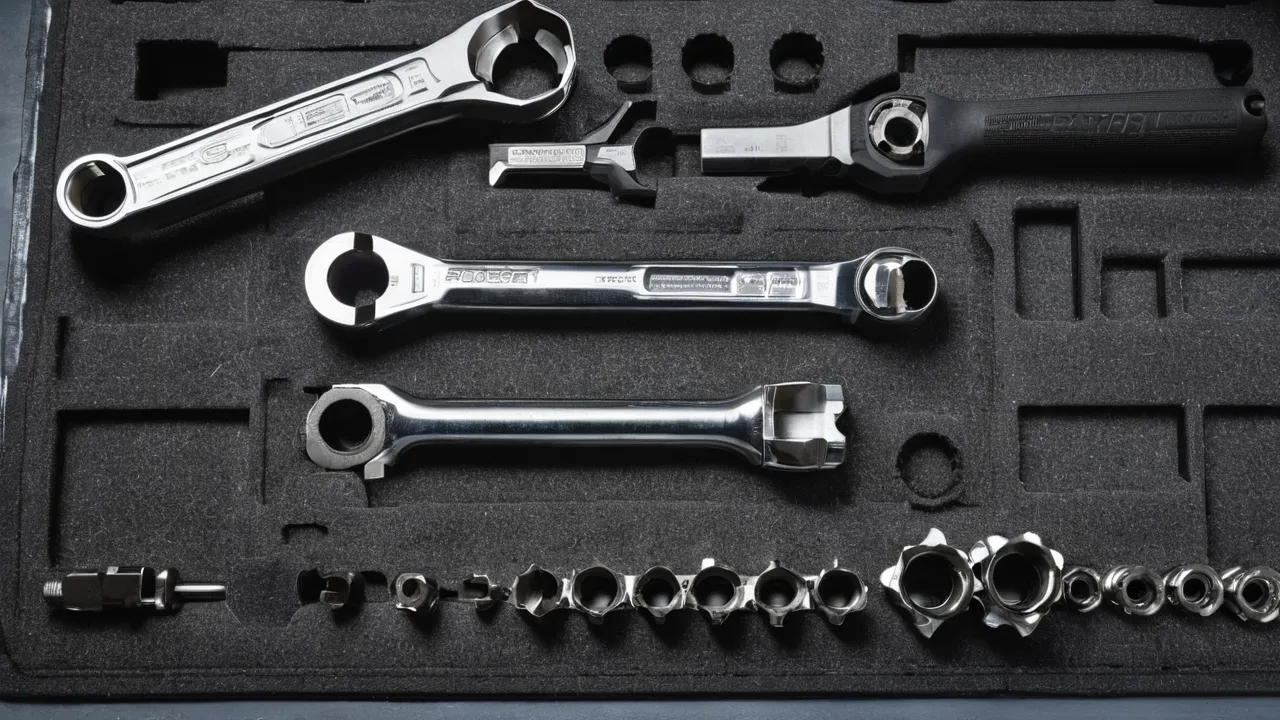
To choose a socket set, start with the drive size, then decide between six-point and twelve-point sockets, check the ratchet’s tooth count and swing arc, and make sure the set covers the metric and inch sizes you actually meet. For most homeowners, a three eighths inch drive set with both metric and inch sockets is the most useful single purchase. Warranty promises and case design matter less than fit and finish.
Drive size: the first decision
Drive size is the square opening on the ratchet that holds the socket. Three sizes cover most work.
- One quarter inch: small sockets and small fasteners, electronics, interior trim and light automotive work. Compact and quick, but limited torque.
- Three eighths inch: the all-rounder for car repair, bike work, appliances and general household jobs. If you buy one set, this is the usual choice.
- One half inch: larger sockets and stubborn fasteners, such as lug nuts and suspension bolts. Bigger, heavier and stronger.
Many owners end up with two sizes: three eighths for most work and either a quarter inch or a half inch for the extremes. Adapters let you step between sizes, but a ratchet driving a much larger socket through an adapter can be awkward and is easy to overload, so use them sparingly.
Six point versus twelve point
A six-point socket has six internal contact points and grips the flats of a hex fastener firmly, which resists rounding the corners. It suits tight, rusty or already-worn fasteners and higher torque. A twelve-point socket has more points, so it slips onto a fastener from more angles and is easier to engage in tight spaces, but it grips the corners rather than the flats, and it is more prone to rounding stubborn fasteners. Twelve-point sockets also fit square and some other shapes.
A sensible approach is to buy six-point sockets as your main set, because they hold up better under load, and add twelve-point sockets only for work in confined spaces where you need fast engagement. Many quality sets offer six-point sockets as standard.
Ratchets: tooth count and swing arc
A ratchet’s tooth count decides how far you must swing the handle before the mechanism engages. The swing arc equals 360 degrees divided by the number of teeth, so a 72-tooth ratchet needs about five degrees, and a higher tooth count needs less. A finer ratchet helps in tight spaces where you cannot swing the handle far. Coarser ratchets with fewer, larger teeth are often stronger, and the difference matters mostly in confined jobs.
Look at the ratchet’s feel. The reversing lever should move easily and click firmly. The head should be compact enough to fit in tight spaces, and the handle comfortable under pressure. A flex head or a pivoting head helps with awkward angles, though it adds a potential weak point. A quick-release button on the drive lets you swap sockets with one hand. Wear shows in a ratchet first, so favor a model that can be serviced with a rebuild kit if the maker offers one.
Metric, inch and what sizes you need
Most modern vehicles and many imported items use metric sizes, and older American equipment and some construction hardware use inch sizes. A useful set covers both. For metric, common sizes run from about 8 to 19 millimeters, with larger sizes for suspension and axle work. For inch, common sizes run from about one quarter to three quarter inch. Check the set’s sizes against your jobs, and look for deep sockets in addition to standard ones, since deep sockets reach long bolt ends and spark plugs.
A set with a large number of pieces looks like value, but many pieces may be sizes you rarely use. Count the sockets you will use and compare them. If a set lacks one size you need, buy that socket separately, as most makers sell individual sockets.
Extensions, swivels and accessories
Extensions let you reach recessed fasteners, and a few lengths cover most needs. A universal joint, or swivel, lets the socket work at an angle, but it reduces strength, so use it on lighter work. A spark plug socket has a rubber insert or magnet to hold the plug. A breaker bar gives extra leverage for stubborn fasteners and protects the ratchet from being overloaded. Add accessories as jobs call for them rather than buying a giant kit.
Chrome versus impact sockets
Chrome sockets, polished and bright, are for hand tools. Impact sockets, usually dark, with thicker walls, are designed to absorb the hammering of an impact wrench. Do not use chrome sockets on an impact wrench, since they can crack and throw fragments. Impact sockets can be used on a hand ratchet, though they are bulkier and may not fit in tight spaces. If you own an impact wrench or plan to use an impact driver for fasteners, buy a set made for it. Check the socket’s markings and the maker’s notes to confirm that it is rated for impact use.
Case and organization
A good case keeps sockets in order and lets you spot a missing one at a glance. Look for a case that closes securely, holds sockets on rails or in labeled slots and is sized to fit your toolbox. Clearly marked sizes on the socket make a big difference, since reading a faint stamp in a dim garage is frustrating. Laser-etched or large markings are easier to read. A tray or rail system lets you take a few sockets to the job and leave the rest.
Price tiers and what you pay for
Lower-priced sets are fine for occasional use, and quality differences show in fit, finish, ratchet feel and rounding resistance under high torque. Mid-priced sets often improve the ratchet mechanism and steel. Professional sets add fine ratchets, better finishes and larger selections. Look at what you will use. A casual user is rarely better served by a professional set, but a person who does regular automotive work benefits from a quality ratchet and sockets that fit snugly.
Warranty: when a lifetime promise actually helps
Many makers promise a lifetime warranty on hand tools. It helps if the maker honors it in a straightforward way, replacing a broken socket or ratchet without fuss. Read the terms, since some warranties cover defects and breakage in normal use and exclude wear, abuse or misuse, and some require proof of purchase or shipping a tool back. A warranty is only useful if you can get service easily, so check where you can exchange a tool, whether stores near you handle claims and how long it takes. A modest warranty from a maker with easy exchange can beat a bold promise with a complicated process. Read how we review for how we weigh claims like these.
Who should choose which
- Beginner or renter: a three eighths inch set with metric and inch sockets, in six point, and a basic ratchet.
- Home mechanic: a three eighths inch set plus a half inch set, a good ratchet and a breaker bar.
- Bike and electronics fixer: a quarter inch set with small sockets and bits.
- Tool collector or professional: a mix of drives, fine-tooth ratchets and impact sockets as needed.
You can see how we group tools in our hand tools category and the wider tools and garage section.
Care and storage for a long life
Wipe sockets and the ratchet after use, especially after contact with oil, brake fluid or road salt. Return each socket to its slot so you notice a missing one before the next job. Lightly oil the ratchet mechanism as the maker advises, and avoid soaking it in solvent that strips the grease. Do not extend a ratchet handle with a pipe, since that can overload the pawl and break teeth; use a breaker bar instead. Check sockets for cracks and rounded corners and retire any that show damage, because a damaged socket slips and can injure your hand. A quality set cared for this way can last a lifetime, which is what a buy-once approach looks for.
Common mistakes when buying
- Choosing the set with the most pieces instead of the sizes you use.
- Buying only twelve-point sockets and rounding corners on stubborn fasteners.
- Using chrome sockets on an impact wrench.
- Ignoring the ratchet and spending only on the sockets.
- Skipping the case, then losing small sockets.
- Trusting a lifetime warranty without reading how claims work.
Frequently Asked Questions
What size socket set should I buy first?
A three eighths inch drive set with metric and inch sockets, in six point, covers most household and automotive jobs. Add a quarter inch set for small work and a half inch set for stubborn fasteners if you need them.
Are six-point or twelve-point sockets better?
Six-point sockets grip the flats of a fastener and resist rounding, so they are better for tight, rusty or high-torque jobs. Twelve-point sockets slip onto a fastener from more angles and engage more easily in tight spaces, but they round stubborn fasteners more readily. Most owners buy six-point sets first.
How many teeth should a ratchet have?
More teeth means a smaller swing arc, which helps in tight spaces where you cannot swing the handle far. A 72-tooth ratchet needs about five degrees of swing. Fewer, larger teeth can be stronger, so choose based on where you work and how much torque you apply.
Can I use regular sockets with an impact wrench?
No. Chrome hand sockets can crack under the hammering of an impact wrench and throw fragments. Use impact-rated sockets with thicker walls, usually with a dark finish, on impact wrenches, check the maker’s markings and wear eye protection.
Final Thoughts
Choose a socket set by drive size, six-point fit, ratchet feel, the sizes you actually use and a case you will keep tidy. Spend where it matters, which is the ratchet and the sockets you grab most. Read the warranty terms, buy missing sizes individually and avoid using chrome sockets with impact tools.
Related buying guides
- Pliers Guide: Which Pliers Every Garage Needs
- Ratchet vs Breaker Bar vs Impact Wrench for Stuck Bolts
- SAE vs Metric Wrenches: Do You Need Both?
About the author

The BuyOnceChoice Editorial Team researches durable products worth buying once. Our guides compare published specifications, warranty terms, expert review consensus, and verified owner feedback. We do not conduct our own product trials. See How We Review and our Editorial Policy for our standards.