Core Cookware Checklist: Pans You Actually Need
Most households need five or six pans, not twelve. See the sizes and counts to buy for one, two, four, or six people, and what to skip.
 By BuyOnceChoice Editorial Team
Updated November 16, 2026
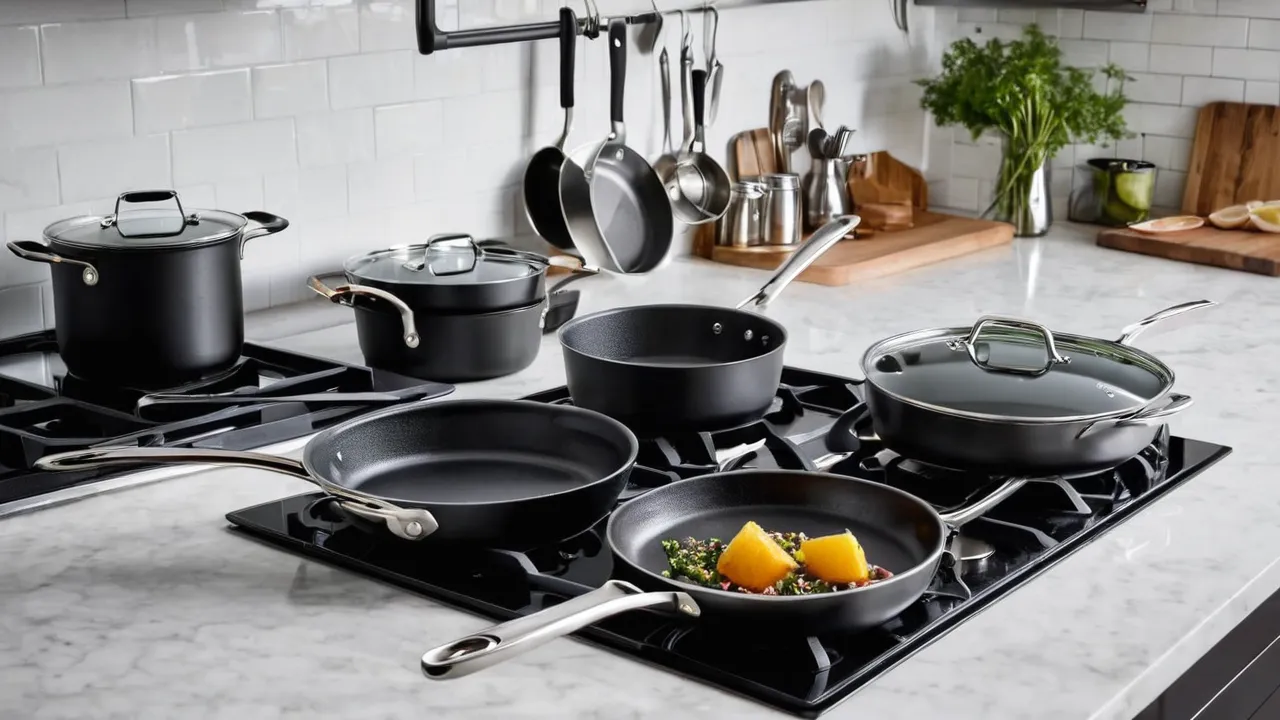
The essential cookware checklist for most kitchens has five pieces: a 10 or 12 inch skillet, a 2 to 3 quart saucepan with a lid, a 5 to 7 quart Dutch oven or stockpot, a sauté pan or large skillet with a lid and a rimmed sheet pan for roasting. Beyond that, add pieces only when a recipe you cook often needs them, and size each piece to your household, burners and oven.
The Core Five
This checklist is built around the jobs you do most, not around a piece count.
- A skillet, 10 or 12 inches: searing, frying, sautéing and pan sauces.
- A saucepan with a lid, 2 to 3 quarts: sauces, grains, soups for one or two and reheating.
- A Dutch oven or stockpot, 5 to 7 quarts: braises, soups, pasta, stews and bread.
- A sauté pan or large lidded skillet, 3 to 5 quarts: one-pan meals, searing then simmering.
- A rimmed sheet pan: roasting vegetables, baking and sheet-pan dinners.
If you can only afford three, start with the skillet, the saucepan and the Dutch oven or stockpot. They cover a very wide range of meals. Our cookware overview lists more categories if you want to go further.
Sizes by Household
| Household | Skillet | Saucepan | Pot or Dutch oven |
|---|---|---|---|
| — | — | — | — |
| One person | 8 to 10 inch | 1 to 2 quart | 3 to 4 quart |
| Two people | 10 inch | 2 to 3 quart | 4 to 5 quart |
| Family of three to four | 12 inch | 3 quart | 5 to 7 quart |
| Family of five or more, or batch cooking | 12 inch, plus a second pan | 3 to 4 quart | 7 quart or larger |
These are starting points. If you often cook for guests or like leftovers, size up. If you have a small stove, check that the pan fits the burner. Count the people you feed on a typical night, not the largest gathering of the year.
What Each Pan Does Best
The Skillet
A skillet has sloped sides that make it easy to flip and toss. It is the most used pan in most kitchens. Choose stainless steel, cast iron or carbon steel for searing and for long life, and consider a small nonstick skillet for eggs. See our stainless steel cookware and cast iron pages for how the materials differ.
The Saucepan
A saucepan has tall, straight sides and a lid, ideal for liquids. Stainless steel is a good choice because it does not react with acidic sauces. Look for a comfortable handle and a lid that fits well, and a pouring rim if you can find one.
The Dutch Oven or Stockpot
This is your big pot. A Dutch oven handles braises and bread, and a stockpot suits pasta and stock. Weight matters: a full enameled pot is heavy, so make sure you can lift it.
The Sauté Pan
A sauté pan has straight sides and a wide base, which holds more food than a skillet and is good for dishes with sauce. If you have a deep skillet with a lid, you may not need a separate one.
The Sheet Pan
A heavy rimmed sheet pan is the workhorse of roasting. Look for a pan that does not warp in the oven and a size that fits your oven.
Example Kits by Cooking Style
- Weeknight cook who likes simple meals: a 10 or 12 inch skillet, a 3 quart saucepan, a 6 quart pot and a sheet pan.
- Baker or bread maker: add a Dutch oven for bread, a loaf pan and a second sheet pan.
- Stir-fry and quick cooking: a carbon steel wok or a large skillet, plus a saucepan.
- Braise and stew fan: a 5 to 7 quart Dutch oven, a skillet and a saucepan.
- Student or small kitchen: an 8 to 10 inch skillet, a 2 quart saucepan and a 4 quart pot with a lid.
Pieces Most Kitchens Do Not Need
- Multiple sizes of nonstick skillets beyond one small egg pan.
- Very small saucepans under 1 quart, unless you melt butter often.
- Specialty pans like crepe pans, paella pans and egg poachers, unless you make those foods regularly.
- Large steamer inserts you use once a year.
- A second stockpot if you rarely cook for crowds.
- Pieces of a set that duplicate sizes.
If you find a piece sitting unused in a cabinet for a year, it did not earn its place.
Checking Fit With Your Kitchen
Before you buy, check three things. First, burner size and cooktop type: make sure the pan base fits the burner and is compatible with induction if you have it. Second, oven size: measure the width and the rack height for pots, sheet pans and roasting pans. Third, storage: check that the pieces fit in your cabinets, and consider lid storage, since lids take space.
Think about weight too. Cast iron and enameled cast iron are heavy, and you need to be able to lift them full and move them from stove to oven. If lifting is a concern, choose a lighter material for some pieces.
A Worked Example
Two people in a small apartment cook dinner most nights and bake occasionally. They measure the stove and find two large and two small burners, and a 24 inch oven. They choose a 10 inch stainless skillet, a 2 quart stainless saucepan with a lid, a 5 quart enameled Dutch oven and a half sheet pan that fits their oven. They skip a sauté pan because the Dutch oven covers braises, and they skip a nonstick pan for now. They plan to add a small nonstick egg pan after a few months if needed. The kit fits their cabinet, covers most recipes and costs less than a boxed set.
A Printable Pre-Purchase Checklist
Use this list for each piece you consider, and tick each line before you buy.
- The size matches the number of people I cook for.
- The base fits my burner, and works with my cooktop type.
- The pan fits in my oven if I plan to roast or bake in it.
- The material suits the task, and I will follow its care rules.
- The handle is comfortable and oven safe to the temperature I use.
- The lid fits snugly, or I know where to get one.
- I can lift the pan when it is full.
- The pan sits flat on a counter, with no rocking.
- The warranty terms are clear and acceptable.
- I have somewhere to store it.
What to Look for in Each Piece
For the skillet, check the base thickness and flatness, and whether the handle stays cool enough for your use. For the saucepan, check the pouring edge, the fit of the lid and the inside corners, which should be easy to clean. For the Dutch oven, check the weight, the lid fit and the enamel quality. For the sauté pan, check depth and the helper handle if the pan is large. For the sheet pan, check that it is rigid, rimmed all around and sized to fit your oven with room for air to circulate.
Think about care habits as you choose. If you will not hand wash and season a pan, skip cast iron and carbon steel. If you cook on high heat, avoid nonstick for main pans. If you share your kitchen with people who put everything in the dishwasher, choose pieces that tolerate it. Matching the pan to the people who use it saves the most regret.
How to Build the Collection Over Time
- Start with the skillet, the saucepan and the pot.
- Cook for a few weeks and note what is missing.
- Add the sheet pan and the sauté pan or large skillet.
- Upgrade the pieces you use daily to better quality.
- Add specialty pieces only for recipes you repeat.
- Replace nonstick pans when the coating wears.
This approach spreads the cost and keeps you from buying things you do not use. For how we weigh such guidance, see how we review.
Remember too that the checklist is a starting point and not a ceiling. Someone who bakes bread weekly will treat a Dutch oven as a core piece, while someone who stir-fries nightly may put a wok ahead of a sauté pan. Adjust the list to your own menu, and revisit it once or twice a year, adding a piece only when you find yourself working around a gap, and retiring pieces that have sat unused.
Frequently Asked Questions
What pots and pans do I really need?
For most kitchens: a 10 or 12 inch skillet, a 2 to 3 quart saucepan with a lid, a 5 to 7 quart Dutch oven or stockpot, a sauté pan or deep skillet and a sheet pan. Add other pieces only for dishes you cook often.
How many pots and pans does a small kitchen need?
Three to five pieces are enough: a skillet, a saucepan and a pot, plus a sheet pan and possibly a small nonstick pan. Choose pieces that nest or hang to save space, and avoid duplicates.
Is a nonstick pan part of the essentials?
Not always. A small nonstick skillet helps with eggs and delicate foods, but it is a replaceable item. Many cooks use stainless steel or cast iron for everything else, and add a nonstick pan only if they cook eggs often.
What size skillet is best for a family of four?
A 12 inch skillet is usually the most useful, since it holds enough food for several people. Check that it fits your burner and that you can lift it. A second, smaller skillet can handle eggs and side dishes.
Final Thoughts
Start with a skillet, a saucepan and a Dutch oven or stockpot, add a sheet pan and a sauté pan, and size each to your household and stove. Skip duplicates and specialty pieces until a recipe asks for them, and build the collection over time.
Related buying guides
- Fully Clad vs Disc Bottom Stainless Cookware
- Gas vs Electric vs Induction: Which Cookware Works
- Hard Anodized vs Stainless Steel Cookware
About the author

The BuyOnceChoice Editorial Team researches durable products worth buying once. Our guides compare published specifications, warranty terms, expert review consensus, and verified owner feedback. We do not conduct our own product trials. See How We Review and our Editorial Policy for our standards.