How Long Does Luggage Last? Lifespan by Type
Lifespan ranges are wide and no source has reliable data, so this guide lists what usually fails first on each luggage type and how to extend a bag's life.
 By BuyOnceChoice Editorial Team
Updated November 16, 2026
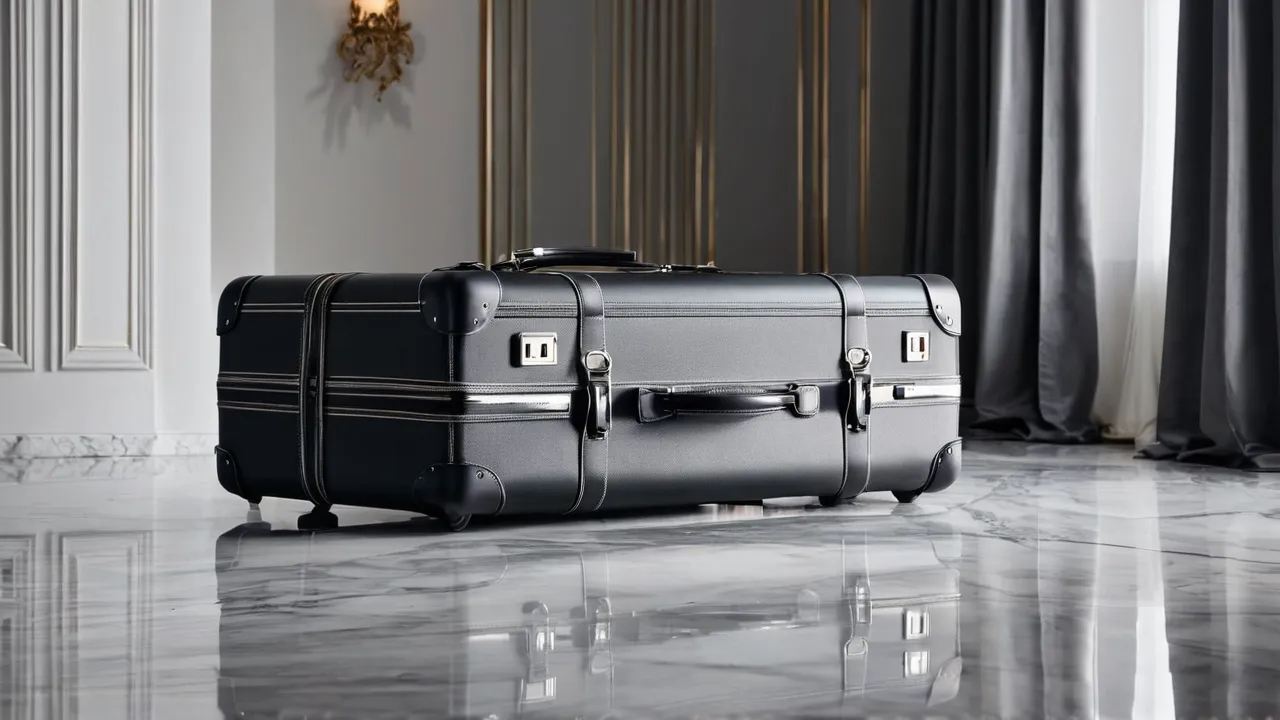
Luggage typically lasts from a few years to well over a decade, depending on how often you travel, whether you check the bag, how you pack it and which part fails first, and there is no reliable published number for any type. Sources conflict because they cite no data, so treat any lifespan as a range with wide edges. A carefully used carry-on may serve for many years, while a checked bag that is overpacked and handled roughly may fail in a few. This guide lists what usually fails first on each type and what you can do to extend the bag’s life.
Why lifespan numbers are unreliable
Most lifespan claims come from brand marketing or from forum anecdotes. Neither is a controlled measurement. A bag that lasts ten years for one owner may fail in two for another because of different handling, load, and storage. There is no independent data set that tracks luggage failures by model.
That means the honest approach is to present lifespan as a range and to focus on failure points. A failure point is the part that usually gives out first. If you know it, you can inspect it, choose a bag with a better version of it, and repair it when it fails.
Use ranges as a way to compare risk, not to predict a date. If a maker claims a precise lifespan without evidence, treat it as a marketing statement.
What fails first, by type
Each type tends to fail in a characteristic way.
| Type | Usually fails first | Often repairable |
|---|---|---|
| Hardside | Wheels, handle, zipper track, shell cracks | Wheels and handle sometimes; cracks rarely |
| Softside | Zipper, seams, fabric abrasion, wheels | Zipper and seams by a tailor or shop |
| Hard and soft hybrid | Frame joints and zipper | Depends on construction |
| Backpack | Zippers, strap stitching, buckles | Buckles and straps often |
| Duffel | Handles, zippers, base fabric | Stitching often |
Hardside bags resist crushing but can crack, particularly on the corners, and the zipper is a stress point because the shell does not flex. Softside bags absorb impacts but can tear at the seams and wear at the corners, and zippers strain when the bag is overpacked.
Wheels and handles are common failure points for rolling bags of either type. They carry the load and take the impacts. If wheels are replaceable, the bag’s life extends.
Factors that shorten or extend life
Several factors matter more than the type.
- Trip frequency: more trips mean more wear.
- Checked versus carried: checked bags take harsher handling.
- Packing: overpacking strains zippers and seams.
- Surfaces: rough ground wears wheels faster.
- Storage: heat, damp, and crushing in storage can damage materials.
- Maintenance: cleaning wheels and zippers extends life.
You control some of these. Packing within capacity, storing the bag clean and dry, and carrying instead of dragging over rough ground all help.
Build quality also matters. Better zippers, sturdier wheels, and thicker fabric extend life, but a premium label does not guarantee them. Check the features individually.
Realistic ranges help for planning. Think in broad bands. A bag used for a few trips a year and kept clean can last many years. A bag used monthly and checked often may need new wheels or a new zipper within a few years. A bag that is overstuffed on every trip may fail much sooner.
Do not treat these bands as promises. They illustrate that use patterns matter more than the type. If you want a sense of how often owners keep bags, look at how makers describe repair and parts support in the luggage sets category.
If you want a rough guide to replacement timing, watch for early signs: wheels that wobble or stick, handle rattle, zippers that need force, seams that fray, and shell cracks that spread. Early signs give you time to repair.
Extending the life of any bag
Small habits add up.
- Do not exceed the stated capacity or weight.
- Lift the bag instead of dragging it over curbs and stairs.
- Close zippers gently and do not force them.
- Clean the wheels and zipper tracks occasionally to remove grit.
- Store the bag empty, dry, and uncrushed, with the handle down.
- Fix small problems early, such as a loose screw or a frayed seam.
A repair shop can fix many problems for less than the price of a new bag, and some makers offer repair programs. Our repair guide covers common fixes and how to source parts, and the how we review page for how we weigh repairability in a review.
Choosing a bag for a longer life
If you want a bag to last, choose features that extend life: replaceable wheels, a sturdy handle with a metal frame, large zipper coils with strong pulls, and a shell or fabric with a good reputation for abrasion resistance. Check the warranty and the availability of parts.
Compare bags within your price range by those features, not by label. Our best travel luggage set and best softside luggage set pages describe how we group the models we cover.
Match the bag to your use. A hardside bag suits travelers who check bags and want protection. A softside bag suits those who want flexibility and pockets. A backpack suits those who carry the bag. The bag that matches your use will last longer than the one that does not.
Signs a bag is near the end
Some warning signs mean the bag is close to failing and should be repaired or replaced before a trip. Wheels that no longer spin freely or that grind are close to failure, since a seized wheel can tear off under load. A handle that sticks halfway, rattles loudly, or collapses under light pressure will usually get worse. Zippers that split behind the pull, skip teeth, or need two hands to close are close to separation, and a zipper that fails when the bag is full can leave your belongings in the open.
On soft bags, look for frayed seams near the handles and wheel housings, since those carry the load. On hard bags, look for hairline cracks that start at the corners or around the zipper track, which tend to spread. If you see these signs before a trip, repair first or take a different bag.
A quick inspection before every trip, taking a minute, will catch most problems while they are still small enough to fix.
Warning signs worth an early repair
Catch problems while they are cheap. A wheel that drags or squeals can often be cleaned and tightened. A handle that sticks can sometimes be freed by wiping the tubes and checking for a bent section. A zipper that starts to skip is usually a slider problem rather than a track problem, which is a smaller fix. If you act when the symptom first appears, the bag often returns to service for another few years instead of ending up in the trash after the next trip.
What the type of use does to lifespan
A traveler who flies a few times a year and carries the bag rather than dragging it can expect far longer service than a frequent flyer who checks the bag and rolls it over rough pavement. A bag that spends most of its life in a closet ages by storage conditions: heat, damp and pressure from stacked items. Both owners can get good value if they match the bag to the use and fix small problems early.
Who should replace and who should repair
Use a simple repair-or-replace rule. Repair if the problem is a wheel, handle, zipper or seam on a bag you like, the shell or frame is sound and the quote is well under half the price of a comparable new bag. Replace if the shell is cracked in a structural place, if two or more major parts fail at once, if repair parts are not sold, or if the bag no longer fits your needs.
Worked example: a bag with a worn wheel set and a sticky zipper has two failing parts. If the wheels are bolted on and a shop quotes a modest fee for both, repair is reasonable because the shell is intact. If the same bag also has a split shell corner, the repair stack adds up and the bag is at the end of its life. Ask for the quote before you decide, and ask what the shop warrants on the repair.
If the bag has sentimental value or a strong warranty, consider repair even for larger problems. If it is a bag you never liked, a failure can be a reason to upgrade.
Frequently Asked Questions
How many years should a suitcase last?
There is no fixed number. A suitcase used a few times a year and cleaned can last many years, while one that is checked monthly and overpacked may need new wheels or a zipper within a few. Use failure points and warranty terms, not a promised lifespan, to judge a bag.
What usually breaks first on a suitcase?
Wheels, handles and zippers fail first on most rolling bags, because they carry load and take impact. On hardside bags, cracks at the corners also appear. On softside bags, seams and fabric at the bottom corners wear first. Inspect those parts before each trip and fix small problems early.
Is it worth repairing an old suitcase?
Usually yes when the shell or frame is sound and the repair is a wheel, handle, zipper or seam, and the quote is well under half the cost of a similar new bag. If the shell is cracked or several parts fail together, replacing is usually the better choice.
Final Thoughts
Luggage lifespan is a range, not a number, and the part that fails first is more useful to know than the type. Choose features that extend life, use the bag within its limits, and fix small problems early. Treat any specific lifespan claim without evidence with caution, and rely on the warranty and parts availability instead.
A bag that you can repair will outlast a bag that you cannot, even if the two have the same shell. Spend your attention on wheels, handles, and zippers, and keep your receipt and photos in case you need a claim.
Related buying guides
- How to Choose a Carry-On Suitcase: Size, Shell, Wheels
- How to Choose Luggage for a Cruise
- How to Choose a Luggage Set: Pieces, Sizes, Nesting
About the author

The BuyOnceChoice Editorial Team researches durable products worth buying once. Our guides compare published specifications, warranty terms, expert review consensus, and verified owner feedback. We do not conduct our own product trials. See How We Review and our Editorial Policy for our standards.