Luggage Colors and Finishes: Scuffs, Fading and Resale
Every suitcase picks up marks, but texture and color decide how visible they get. A guide to finishes that hide scuffs and fabrics that resist fading.
 By BuyOnceChoice Editorial Team
Updated November 16, 2026
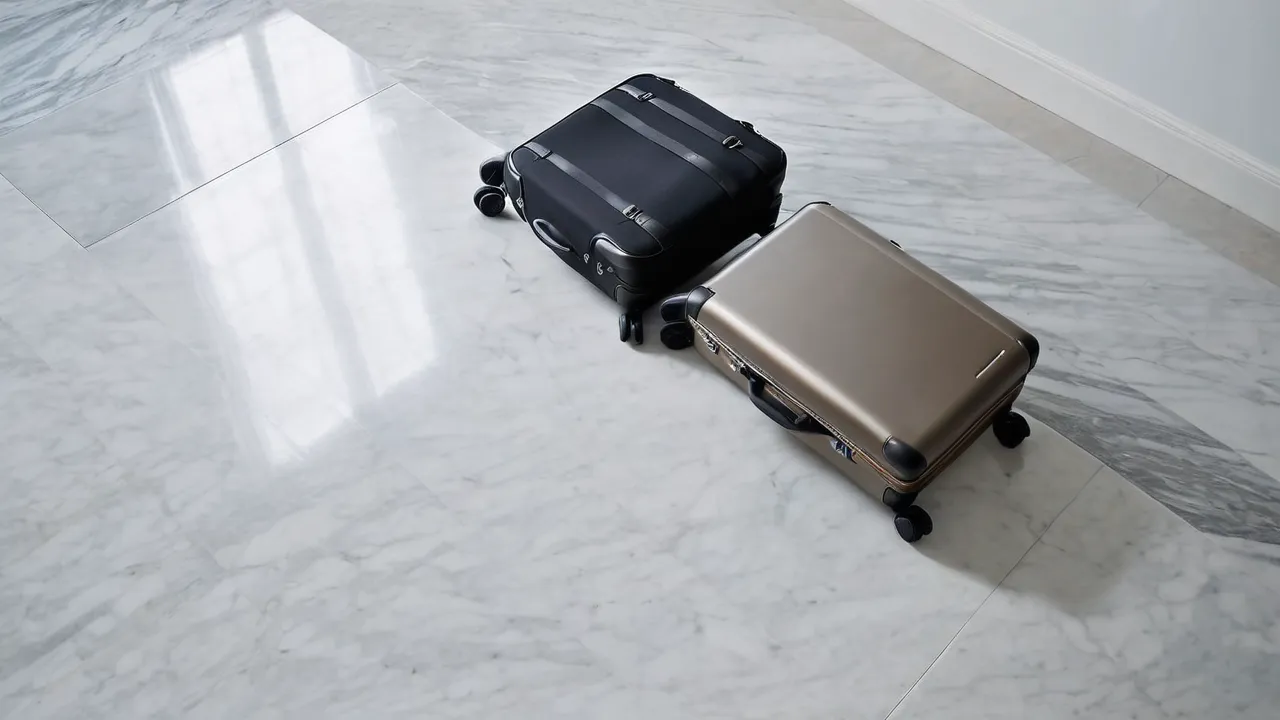
Luggage scratches are unavoidable on any bag that gets checked, but a textured or matte finish in a mid-tone color hides them far better than a glossy, dark or pale shell. Texture scatters light so fine lines blend in, while smooth surfaces turn every mark into a bright streak. Pick the finish before you pick the color, and treat fading as a separate question for fabric bags.
Why Some Finishes Show Every Mark
A scratch is visible because it changes how light bounces off the surface. On a glossy shell, light reflects in one clear direction, so a scratch that breaks that smooth plane stands out as a line. On a matte or textured shell, light is already scattered in many directions, so a small groove is lost in the pattern.
Color adds a second layer. A scratch on a colored plastic exposes a slightly different layer or simply roughens the surface into a pale haze. On black or deep navy, that pale haze contrasts sharply. On a mid-tone gray, silver or soft color, the haze sits much closer to the base color, so it reads as normal wear. Owners of dark glossy cases often report that the bag looks worn after a single trip, which is why finish and color deserve as much attention as shell material.
Keep one more distinction in mind. A scuff is surface transfer, such as a black mark from a conveyor belt or another bag, and often wipes away. A scratch is a physical groove that does not. Many marks that look permanent in a terminal are actually scuffs, which is why a simple cleaning at home often improves a bag’s look. Cleaning belongs in a separate routine, but the practical point is simple: not every mark is damage.
Hard Shell Finishes Compared
Hard shells come in a handful of surface treatments. Here is how they usually behave in daily use.
| Finish | How it hides wear | Watch-out |
|---|---|---|
| Pebbled or grained texture | Scatters light, blends fine scratches | Dirt can settle in the grain |
| Matte smooth | Softens reflections, hides light scuffs | Can show oily fingerprints and rub marks |
| Ribbed or grooved panels | Directs wear into grooves, hides impacts | Grooves collect grime |
| Glossy smooth | Looks sleek when new | Shows nearly every scratch and fingerprint |
| Metallic or mirror effect | Eye-catching | Scratches reveal the base layer |
Textured finishes are the safest choice for frequent flyers. Ribs and ridges do double duty, because they add rigidity and shelter the flat areas between them. A glossy bag can look excellent for a few trips, so choose it only if you plan to treat it carefully or you view scratches as part of the story.
Color Choices That Age Well
Think about the colors you see on bags at a baggage carousel. Black is popular and shows scuffs clearly, especially on smooth plastic. Pale colors reveal dirt and transfer marks. Mid-tones such as gray, charcoal, olive, tan, slate blue and muted red tend to look cleaner longer, because neither dirt nor pale scratch lines contrast strongly with them.
Pattern also helps. A speckled, marbled or two-tone shell makes wear harder to spot. A bright, unusual color has a practical benefit too: you can pick your bag off the belt quickly and avoid mistaking another traveler’s case for your own. If you share a set with a partner, check our luggage sets category for coordinated options that vary in finish.
Fabric Bags: Scuffs and Fading
Softside luggage and backpacks fail differently. Abrasion roughens the weave, creating fuzzy patches that look lighter. Ballistic and dense nylon fabrics hold up better than thin, loose weaves. Sun and washing cause fading, which is an issue for dyed fabrics left near windows or in car trunks.
To limit fading, store fabric bags away from direct sunlight, because ultraviolet light breaks down dyes over time. Dark, saturated dyes usually fade more visibly than medium ones. Polyester often resists ultraviolet fading better than nylon, which can matter if your bag lives in a bright place between trips. See our best softside luggage set roundup for fabric-focused options, and note how each brand describes its materials rather than trusting adjectives.
Reducing Wear Before It Happens
You can slow marks without wrapping the bag in plastic.
- Use a fitted luggage cover if you like a pristine look, but make sure it does not hide the handle or wheels you need.
- Stand the bag upright in car trunks, and avoid sliding it across rough floors.
- Keep zippers and wheels clean so they do not add scuffs by catching on surfaces.
- Add a bright strap or tag, which draws attention away from marks and makes the bag easier to identify.
- Pack soft items against the shell, and avoid hard objects that press from inside and bulge the surface.
Do not apply household polishes or oils on plastic unless the maker approves them. Some solvents cloud polycarbonate. A damp microfiber cloth and mild soap are the safest first step.
What Can and Cannot Be Fixed
Light scuffs often rub off with a damp cloth or a soft eraser. Fine hairline scratches on plastic may soften with a gentle polishing compound intended for plastics, but results vary and an over-polished patch can look worse than the scratch. Deep gouges, cracks and dents are structural issues and are rarely invisible after repair. Fabric fuzzing can be trimmed with small scissors, though pulling loose threads can unravel the weave.
Before you invest effort in cosmetics, check the function. A scratched case with solid wheels, zippers and handles is still a good bag, while a clean case with a wobbly handle is not. Our guide to when to replace a suitcase offers a decision rule based on function rather than looks.
How Wear Looks After Several Years
Think about a bag at the end of five or six years of regular flying. A pebbled shell in gray usually shows a general softening, with a dull patch on the corners and a few darker rub marks near the wheels. A glossy black shell shows a web of fine lines across the whole face, because every contact leaves its own streak. A matte shell shows polished patches where it rubs against car trunks, since friction slowly burnishes the surface to a shine.
Fabric bags change in other ways. The base fabric thins where it contacts the ground, the corners round off and the color softens at the top where sunlight hits. Seam tape may lift at edges. None of this affects function until the stitching or the coating fails, which is why a base panel that is thicker than the main body is worth looking for.
Handles and trim also wear. Soft-touch rubber coatings on handles can turn sticky or peel with age, and painted metal trim chips. Plain, uncoated plastic handles and anodized or unfinished metal parts age more quietly. When you inspect a product photo, look at what the manufacturer does at the edges and corners, because that is where the finish will fail first.
Ask what the finish is made of
Brands rarely explain finish chemistry, but you can ask what is molded in versus painted on. Color that is part of the plastic cannot chip. A painted or film-laminated surface can peel, and a printed pattern under a clear coat will show scratches in the coating. Colors that run through the material are the most forgiving. If a product page does not say, a close look at a scratch in a review photo will often tell you whether the color is integral or applied. Do not assume more than the page states.
Travel habits shape the result
Two owners with identical bags will end up with different looks. Someone who checks a bag on every trip and slides it through crowded carousels will see marks quickly. Someone who only carries on and lifts the bag into bins will mostly see wheel dirt. If you rarely check bags, a glossy finish may suit you well, and the case for a textured finish gets weaker. Match the finish to the kind of handling the bag will get.
Who Should Choose What
Choose a pebbled or ribbed shell in a mid-tone color if you check bags often and want a bag that ages without fuss. Choose matte smooth if you want a clean look and will wipe it down after trips. Choose glossy or dark only if appearance on day one matters more than appearance in year five. Choose fabric in a mid-tone with a reinforced base if you want low maintenance and light weight. Skip pale shells for heavy travel. For how we weigh such durability factors, read the how we review page.
Frequently Asked Questions
What luggage finish hides scratches best?
A pebbled, grained or ribbed finish in a mid-tone color hides scratches best, because texture scatters light and fine lines blend in. Glossy, dark and pale shells show marks the most. Matte smooth is a sensible second choice if you wipe it down.
Can you remove scratches from a hard suitcase?
Light scuffs often wipe off with a damp cloth and mild soap. Fine hairline scratches may soften with a plastics polishing compound, but results vary. Deep gouges and cracks are structural and rarely vanish. Check the manufacturer’s care guidance before using any product.
How do I stop a fabric suitcase from fading?
Keep it out of direct sunlight, since ultraviolet light breaks down dyes, and avoid storing it near windows or in a hot car trunk. Choose mid-tone colors, which show fading less than dark saturated dyes, and look for dense fabric with a stated weave.
Final Thoughts
Scratches are a fact of travel, but you control how loudly they speak. Texture, mid-tone color and pattern are the strongest tools, with matte finishes a sensible second. Fabric bags need protection from sunlight and abrasion rather than polish. Treat cosmetic wear as separate from structural wear, and judge a bag by its wheels, zippers and handle, not by the number of marks it carries.
Related buying guides
- Luggage for Couples: Sharing Bags or Buying Two Sets
- Luggage for Women Travelers: Fit, Weight, and Handle Height
- Luggage Set vs Single Suitcase: When a Set Pays Off
About the author

The BuyOnceChoice Editorial Team researches durable products worth buying once. Our guides compare published specifications, warranty terms, expert review consensus, and verified owner feedback. We do not conduct our own product trials. See How We Review and our Editorial Policy for our standards.