How to Choose Luggage for a Cruise
Cabins have little storage, so bag shape matters more than size. See why soft bags often win, what cruise lines allow, and how to plan for formal nights.
 By BuyOnceChoice Editorial Team
Updated November 16, 2026
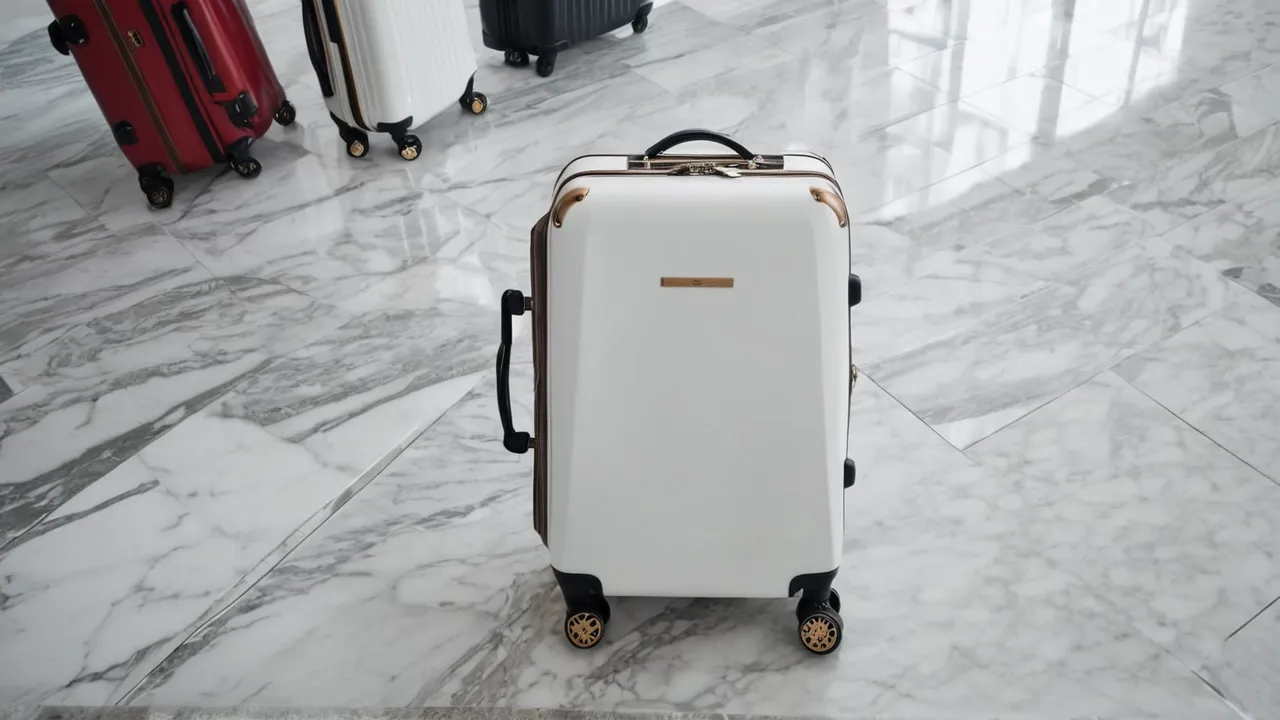
Cruise luggage should be soft or flexible enough to slide under a bed or into a narrow closet, sized to match the line’s baggage rules and packed with a small carry-on for the first afternoon. Cabin storage is tight, so a bag that collapses or has little depth usually beats a large rigid case.
Cabin Storage Shapes Your Choice
A standard cruise cabin has limited space. Beds are often raised or convertible, leaving a gap underneath. Closets are narrow with few hangers, and drawers are shallow. Many guests unpack and store the empty suitcase under the bed, so depth and shape determine whether that works.
Before packing, check your ship’s cabin description. Photos from the cruise line or passenger posts can show how much clearance exists. If you share a cabin, the storage burden doubles. Look for flat-bottomed or low-profile bags that slip under frames, and avoid bulky wheels that catch on rails.
Soft Versus Hard Cases on a Ship
Soft luggage compresses. You can squeeze it into odd spaces, wedge it behind a door or fold it flat after unpacking. Outer pockets let you grab documents and toiletries without opening the main compartment. Fabric also tolerates being shoved onto a luggage cart.
Hard cases protect contents and keep clothes from creasing, but they do not bend. They need a spot to open flat, which is a challenge in small rooms. If you prefer a hard shell, choose a case that opens as a clamshell with a side hinge, and consider keeping it closed while using it as a bedside table.
Our softside luggage set roundup is a good place to see typical soft-bag features, and our luggage set category covers both formats.
Size Rules and Embarkation Day
Cruise lines publish baggage rules, but they vary. Many allow checked bags that porters take to your room, plus a carry-on you bring aboard yourself. Some restrict very large or heavy items. Confirm your line’s policy on bag count, weight and dimensions on its site before you buy. Airline limits also apply if you fly to the port, and airlines may enforce stricter weight limits than the cruise line.
Embarkation day deserves its own bag. Luggage often arrives hours after you board, so keep medications, travel documents, swimwear and a change of clothes in a small carry-on or backpack. This avoids waiting around in dress shoes for a delivery.
Packing for Cabin Life and Formal Nights
Think vertical and flat. Use packing cubes to separate daily clothes from formal wear, then slide cubes into drawers if they fit. A garment folder or a hanging organizer helps with formal nights, since closets are small and clothes can be hung. A foldable tote is handy for shore excursions.
Plan outfits by theme days and keep shoes in the lowest corner of the bag. A small wet-dry pouch holds swimsuits. Many cruise lines prohibit surge-protected power strips, so check the line’s rules about electrical items before you pack one.
Durability, Wheels and Port Handling
Cruise ports have curbs, gangways and wet decks. Wheels that swivel freely help on smooth terminal floors, but they may struggle on rough pier surfaces. Handles should lock firmly and not wobble when a porter pulls the bag. Add a distinctive strap or tag so you can spot your bag among many similar ones, and attach the line’s luggage tag as instructed.
Zippers matter in humid, salty air. Look for corrosion-resistant sliders and keep zippers clean. Wipe wheels after use near salt spray.
Humidity, Salt and Drying Out
Ships are humid. A suitcase stored under a bed with damp swimwear inside can develop odors. Pack a few dry sachets or leave the case open a crack, and hang wet items in the bathroom instead of returning them to the bag. At home, air out the case fully before storage so mildew does not set in.
Shore Days and Day Bags
Most cruise guests spend several days off the ship. A small day backpack or a crossbody bag for excursions saves your main luggage from wear and keeps essentials with you. Look for a day bag that folds flat so it fits inside the main suitcase on the way out. Water-resistant fabric helps on tender boats, where spray is common, and a zipped pocket for your ship card and passport copy reduces the chance of losing them.
Check the excursion rules too. Some shore tours limit bag size at attractions, and some ports restrict large backpacks. A compact, rectangular day bag fits those rules better than an oversized pack. Our backpack category lists options with different capacities.
Porter Handling, Weight and Valuables
Porters lift bags onto carts and move them through terminals, so your bag should handle rough treatment. A sturdy top handle and reinforced corners help when a porter grabs the bag one-handed. Heavy suitcases risk tearing handles or wheels. If you overpack, spread weight across two smaller bags rather than one very heavy one.
Weigh your bag at home with a luggage scale before you leave. Cruise lines may have limits on weight per bag, and airlines connected to your trip often enforce limits and charge fees above them. Remember that you may buy souvenirs, so leave room and weight margin for the return leg.
Securing Valuables Aboard
Cabin safes are small. A laptop might not fit, so decide before the trip whether to bring one. Use small lockable pouches or locks on zipper pulls for items that stay in the room. Cruise lines may have rules about locks on checked bags that port staff must open for security screening, so confirm the policy before you add a lock. Keep medications and prescriptions in their original containers in your carry-on, and bring a list of the generic names in case you need a replacement.
One Big Case or Several Small Bags
Two travelers often ask whether to share one large suitcase or bring several smaller bags. On a ship, several smaller bags usually win. They slide into separate gaps, they are easier for porters to carry, and they let each person reach their own clothes without moving the other’s things. One huge case needs floor space to open and is tiring to lift onto a bed.
If you prefer a shared case, pair it with a soft carry-on for each person. Our luggage for couples guide is a related topic that compares these arrangements in more depth. Think about formal clothes, shoes and toiletries, because shoes and bottles occupy the most volume for the least value. Pack only the footwear you will wear.
How to Judge a Cruise Bag
Use five quick checks, in this order. First, depth: a case that is shallow enough to slide under the bed frame is worth more than one with extra capacity. Measure the clearance in your cabin description if it is given, or assume a few inches and favor low-profile bags. Second, opening style: ask whether the bag can open on a bed or a floor strip a couple of feet wide. Third, handle and corners: porters grab by the top handle, so look for firm anchors and reinforced corners. Fourth, weight: subtract the empty weight from any limit the line or the airline sets. Fifth, identification: a bright strap, ribbon or tag makes your bag easy to spot at the pier.
Worked example: a couple with two soft medium cases and two small carry-ons can stow the empty cases under the beds after unpacking, keep the carry-ons for shore days and send the day-one items in one tote. The same couple with one large hard case would need floor space to open it and a spot to store it empty.
Who Should Choose Which
Choose a soft duffel or soft-sided case with outer pockets if you value storage flexibility and easy handling. Choose a hard case if you carry fragile items and have room to open it. Choose a set of one large and one carry-on if you take longer voyages. Skip oversized bags that will not fit under a bed unless you plan to leave them with the porter. Our how we review page explains how we judge such trade-offs.
Frequently Asked Questions
Is a soft or hard suitcase better for a cruise?
Soft luggage is usually easier because it squeezes under beds and into narrow closets. A hard case protects contents and keeps clothes smooth but needs room to open flat. Choose soft if cabin space is tight, and hard if protection matters more and you have floor space.
What size suitcase should I bring on a cruise?
Check your cruise line’s baggage rules for bag count, weight and dimensions, and any airline limits if you fly to the port. A medium case per person or a case plus a carry-on often works better than one very large bag, because it is easier to store and carry.
What should go in my carry-on on embarkation day?
Pack medications, travel documents, swimwear, a change of clothes and anything you cannot do without for the first afternoon, since checked bags can arrive at your cabin hours after boarding. Keep it small enough to carry comfortably through the terminal.
Final Thoughts
For cruises, shape beats size. Check cabin storage, read your line’s baggage policy, pack a day-one carry-on, and favor soft bags that slide under beds. Hard cases are fine when protection matters more than flexibility, as long as they have room to open.
Related buying guides
- How to Choose a Luggage Set: Pieces, Sizes, Nesting
- How to Choose Luggage Wheels: Bearings and Replaceability
- How to Clean a Suitcase Inside and Out
About the author

The BuyOnceChoice Editorial Team researches durable products worth buying once. Our guides compare published specifications, warranty terms, expert review consensus, and verified owner feedback. We do not conduct our own product trials. See How We Review and our Editorial Policy for our standards.