How to Clean a Suitcase Inside and Out
The right method depends on whether your bag has a hard shell or a fabric body. Match the cleaner to the material and dry it fully before storing.
 By BuyOnceChoice Editorial Team
Updated November 16, 2026
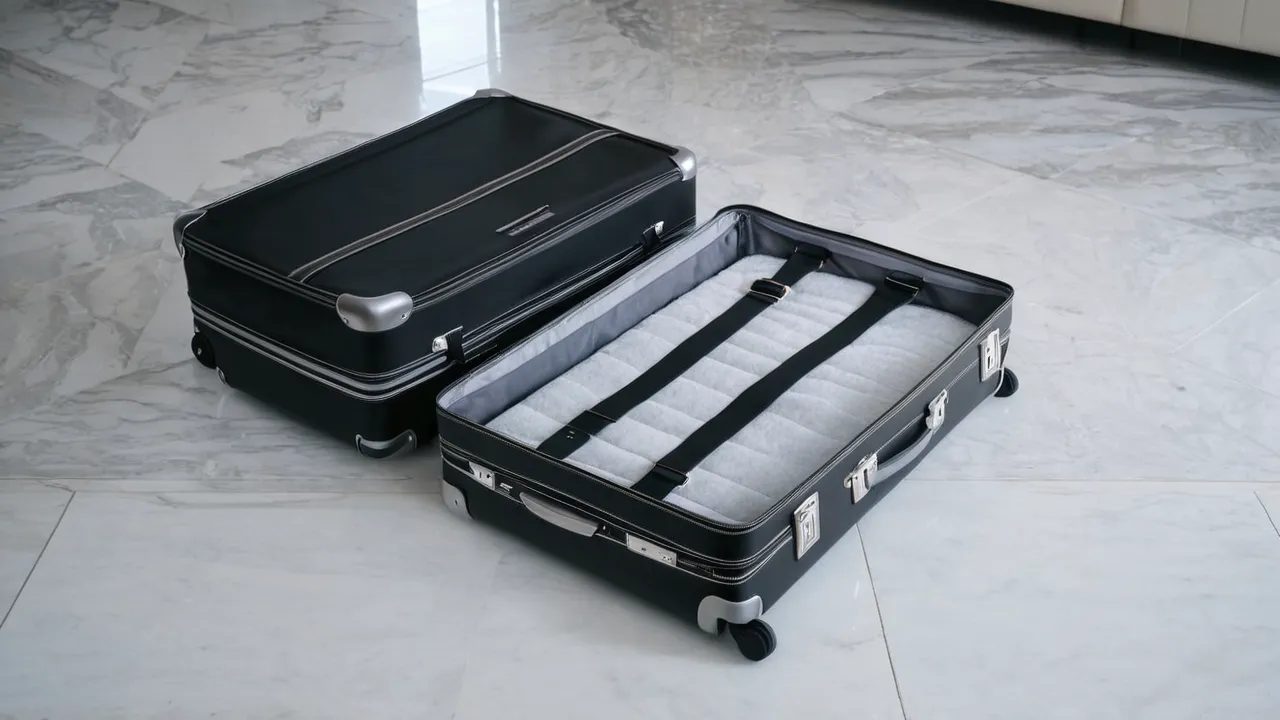
How to clean a suitcase depends on the material. Hard shells wipe clean with a damp cloth and mild soap, fabric bodies need gentle spot cleaning and a soft brush, and every bag must dry completely, inside and out, before it goes into storage. Use the mildest cleaner that works and never soak a bag.
Start With a Quick Inspection
Empty every pocket and shake out the main compartment, ideally outdoors or over a trash can. Sand, crumbs and lint scratch surfaces and pack into zipper tracks, so remove them first. Run a vacuum with a brush attachment over the interior and into the corners, and use a crevice tool along the seams and around the wheel wells.
Then look closely. Read the care tag, usually sewn into an inner seam or printed on a label inside, because some linings and coatings have specific instructions. Note stains, sticky spots, odors and any signs of mildew. Check the wheels and handle, which collect dirt that transfers to everything else. Decide what you are cleaning, since the approach for a scuffed shell differs from a stained fabric panel.
Safety and Supplies
Use mild cleaners only and ventilate well when working near cleaning products. Do not mix different cleaners, and never combine bleach with ammonia or vinegar, because the fumes are harmful. Read the product label and follow it, and follow the manufacturer’s care tag on the bag. Wear gloves if you have sensitive skin, and keep products away from children and pets. Try any new cleaner on a hidden spot first by letting it dry and checking for color change.
Gather these supplies:
- Mild dish soap or a fragrance-free fabric cleaner
- Two or three soft microfiber cloths
- A soft-bristle brush, such as an old toothbrush for seams
- A bowl of lukewarm water
- Baking soda for odors
- Clean towels for drying
Avoid solvents, acetone and abrasive pads, which can cloud plastic and strip coatings.
Cleaning Hard Shells
Polycarbonate and ABS shells have a smooth surface that cleans easily but scratches under rough treatment. Mix a few drops of dish soap into lukewarm water and wipe the shell with a damp microfiber cloth, working in sections. Use the toothbrush along ridges and around the handle base. Rinse by wiping with a second cloth dampened in plain water, then dry with a towel.
For scuff marks, try rubbing gently with a damp cloth first. A melamine sponge can lift some marks but acts like fine sandpaper and can dull a glossy or textured finish, so use it lightly in a small area and watch the result. Rubbing alcohol on a cloth can remove ink or adhesive residue, but check the maker’s guidance and keep it away from labels and printed graphics.
Aluminum shells need a soft cloth and mild soap. Dry them promptly to prevent water spots and wipe away grit before it scratches. Avoid abrasive polishes, which scour finishes and leave marks.
Cleaning Fabric and Softside Bags
Nylon and polyester bodies hold dirt in the weave. Brush off loose dirt, then dab a cloth dampened with soapy water onto stained areas. Blot rather than scrub, because aggressive rubbing pushes stains deeper and roughens the fabric. Work from the outside of a stain inward so it does not spread.
Most softside bags should not go in a washing machine, since agitation can damage the frame, coatings, handles and wheels. A bathtub wash, using a soft brush and lukewarm soapy water, is gentler if the bag is heavily soiled and the maker permits it. Rinse by wiping with a clean wet cloth until no suds remain, since leftover soap attracts dirt.
For odors, sprinkle baking soda into the empty bag, close it and leave it overnight, then vacuum it out. Fresh air and indirect light help, but long direct sun can fade colors.
Stains you may meet
Different marks respond to different handling. Grease from food or lotion lifts best with a drop of dish soap worked in gently and then blotted with a damp cloth, repeated until the mark fades. Ink and marker are stubborn; dab with a cloth lightly moistened with rubbing alcohol, working from the edge inward and checking the cloth for transferred color. Sticky residue from airline tags and stickers softens if you warm it gently with a damp warm cloth and then peel slowly; any remaining film wipes off with a little soap. Mud should be left to dry completely and then brushed away before any wet cleaning, since wet mud smears.
Rain marks and salt rings from winter sidewalks are mineral deposits. Wipe them with a cloth dampened in a mix of water and a small amount of white vinegar, then rinse with plain water and dry. Keep vinegar away from natural leather trim and from any metal that corrodes.
Linings, Pockets and Hardware
Interior linings take a surprising amount of abuse. Spilled liquids, toiletries and shoe dirt all collect there, and the lining is the first place odors begin. Interior linings are often a coated fabric. Wipe them with a damp cloth and a little soap, taking care not to soak padding or foam, which dries slowly. Open all pockets and divider panels so air can circulate.
Clean the wheels by wiping away hair and debris from the axles with a cloth and a pair of tweezers. Wipe telescoping handle tubes and the zipper tracks, then rub a tiny amount of zipper lubricant along the teeth. Our luggage care resources cover wheel and handle upkeep in more depth.
Drying Rules That Prevent Mildew
Moisture left inside a bag is the real hazard. Drying matters more than washing, because damp fabric and foam grow mildew in a day or two in warm rooms.
- Towel off as much water as possible right after cleaning.
- Stand the bag open, with the lid wide, in a well-ventilated room.
- Place a fan nearby to move air across the interior, and avoid heaters or hair dryers on hot, which warp plastic and weaken glue.
- Turn the bag periodically so every side gets airflow.
- Check seams, corners and padded areas by touch; they should feel dry and cool, not damp.
- Leave it open a full day beyond the point where it feels dry, if humidity is high.
Do not close a bag that feels even slightly damp. If you spot black or green spots, treat it as mold and follow the careful guidance in the storage article linked from our luggage collection.
Which Method Suits Which Owner
Choose the wipe-down method if you own a polycarbonate or aluminum hard shell and clean it after trips. Choose the spot-cleaning and brush method for fabric bags with light soil. Choose a gentle bathtub wash only for heavily soiled softside bags where the maker permits it. Skip machine washing and harsh solvents in every case. If a bag has a strong musty smell that persists after airing and baking soda, consider replacing the lining or the bag, because odor in foam padding can be hard to remove. See how we consider upkeep when reviewing durable gear on our how we review page.
How Often to Clean
Match the effort to the use. After each trip, empty the bag, vacuum the interior and wipe the wheels and handle. Wipe a hard shell with a damp cloth when it looks dirty, which for many owners is every trip or two. Do a fuller clean, with soap on the shell or fabric and a zipper brush-and-lubricate, once or twice a year, or after any trip involving mud, beach sand or spills. Before long storage, clean and dry the bag completely and check each pocket. If you travel often, a short inspection every few trips catches grit in the zipper before it damages the teeth.
A sample sequence for a full clean takes less than an hour of active time plus drying: vacuum, spot-treat stains, wipe the shell or fabric, clean wheels and handle, treat zippers, then air-dry for a day.
Frequently Asked Questions
Can I wash a suitcase in a washing machine?
No. Agitation can damage the frame, handles, wheels and coatings, and most makers advise against it. Vacuum the interior, wipe hard shells with mild soap and a damp cloth, spot-clean fabric by blotting, and dry the bag completely. Check the care tag for any exceptions.
How do I get a musty smell out of a suitcase?
Empty the bag, vacuum it, then sprinkle baking soda inside, close it and leave it overnight before vacuuming it out. Air the open bag in a ventilated room away from direct sun. If a musty smell persists, mildew may be in the padding, which is hard to remove.
What is the best way to remove scuff marks from a hard suitcase?
Start with a damp microfiber cloth and mild soap, rubbing gently. If marks remain, try a melamine sponge lightly on a small spot, since it can dull the finish. Avoid solvents and abrasive pads, and check the manufacturer’s care guidance first.
Final Thoughts
Cleaning a suitcase is a matter of matching the material to the mildest method that works. Vacuum first, wipe hard shells with soapy water, spot-clean fabric by blotting, and let everything dry fully before it goes back in the closet. A little care after each trip prevents stains from setting and keeps wheels, handles and zippers working.
Related buying guides
- How to Repair Luggage: Wheels, Zippers, and Handles
- How to Replace Suitcase Wheels Step by Step
- Is Expensive Luggage Worth It? Cost Per Trip Math
About the author

The BuyOnceChoice Editorial Team researches durable products worth buying once. Our guides compare published specifications, warranty terms, expert review consensus, and verified owner feedback. We do not conduct our own product trials. See How We Review and our Editorial Policy for our standards.