How to Repair Luggage: Wheels, Zippers, and Handles
A repair triage for suitcases that sorts faults into home fixes, parts orders, and shop jobs, with notes on sourcing wheels, zipper sliders, and handle parts.
 By BuyOnceChoice Editorial Team
Updated November 16, 2026
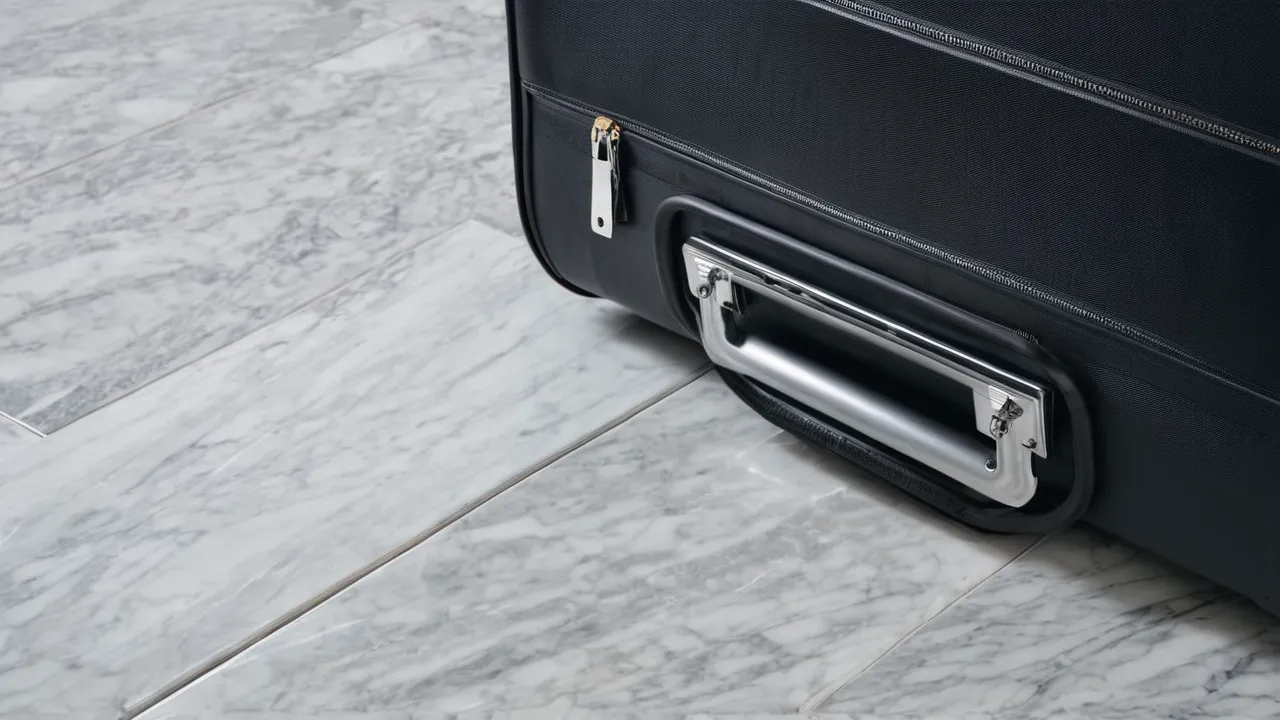
To repair luggage, start with a triage: identify the failed part, decide whether it is a home fix, a parts order, or a shop job, and check your warranty before you open anything. Loose screws, stuck zipper sliders, and frayed stitching are often home fixes. Replacement wheels and handle assemblies usually need the right part and a few basic tools. A cracked shell, a failed frame, or a seam that has torn open is usually a job for a repair shop. The sections below walk through each case and show where to find parts.
Triage before you touch anything
Lay the bag flat, empty it, and look for the problem. Photograph the damaged area and the labels inside. Look for a model name, a serial number, or a part code, since you will need them to order parts.
Then answer three questions. Is the bag still under warranty, and would repair by you void it? Is the part removable with screws, or is it riveted or bonded? Does the damage affect structure, such as the frame, or only a wearable part?
Use this simple sort.
- Home fix: loose screws, dirty or sticky wheels, minor zipper problems, loose threads, a handle that needs lubrication.
- Parts order: worn wheels, a bent or broken handle section, a missing zipper pull, broken buckles.
- Shop job: torn seams in load-bearing areas, a broken zipper track, riveted wheel housings, shell cracks that need patching.
If the bag is under warranty, contact the maker before doing anything, since some policies require authorized service.
A basic repair kit
Most home repairs need only a few items: a set of small screwdrivers with Phillips and flat heads, a hex key set, small pliers, tweezers, a soft brush, strong nylon or polyester thread with a heavy needle, a zipper-safe lubricant and a few spare screws. Keep them together in a pouch. A towel under the bag protects the shell while you work, and a phone photo before each step lets you reverse what you changed. Work in good light and keep small parts in a dish.
Before you start any repair, check the order of work. Clean first, since many wheel and zipper complaints disappear once grit is gone. Tighten fasteners second, because a loose screw can mimic a failed part. Replace parts third, and only then consider a shop. Working in this order saves money: you avoid ordering a part you did not need, and you avoid opening a bag that was only dirty.
Wheels
Wheels are the most common repair. Spin each wheel by hand and listen. A wheel that grinds may be clogged with hair, thread, or grit. Clean the wheel and axle with a small brush, remove debris, and apply a small amount of a lubricant that is safe for plastic, following the maker’s advice.
If the wheel is cracked, flat, or worn smooth, replace it. Many spinner wheels are held by a screw or bolt through the housing. Remove the screw with the right driver and slide the wheel out. Take the old wheel to compare size, since wheels vary in diameter, width, and axle design. Some are fixed with rivets that must be drilled out, which is a shop job unless you are comfortable with it.
Two-wheel bags often use in-line style wheels on an axle that you can slide out after removing a cap. Check the axle length and the wheel width.
Install the new wheel, tighten the screw firmly but not so hard that you strip the thread, and spin it to check. Keep the old wheel until you are sure the fix works.
Zippers
Zipper faults come in several forms. A zipper that is stuck may have fabric caught in the teeth. Work the fabric free gently, and do not force the slider. A zipper that has separated behind the slider often has a worn slider that no longer pinches the teeth together. A replacement slider of the right size can fix it, and some can be swapped without removing the zipper.
A missing pull can be replaced with a loop of cord or a new pull. A broken or missing zipper tooth is harder, and a track with several missing teeth usually needs a new zipper installed by a shop.
Prevent trouble by not overpacking, closing the zipper in short strokes, and keeping the teeth clean. If the bag is overstuffed, the zipper is the first thing to give, so check your load before blaming the part.
Zipper sizes are printed on the back of the slider. Note the number before ordering. Coil zippers and tooth zippers use different sliders.
Handles
A telescoping handle can fail in several ways. If it sticks, clean the tubes and check for bent sections. If it rattles, tighten the screws at the base. If a stop button has broken, look for a replacement button or a handle assembly.
Handle assemblies are held to the frame by screws or rivets. Screws allow replacement with a part that matches the model. Rivets mean a shop job. Because designs vary, parts are often specific to the model, so identify the model name first.
Top and side grab handles are stitched or bolted on. A loose stitch can be redone with strong thread, but if the fabric around the anchor is torn, a shop can reinforce it with a patch. Do not use the bag with a failing grab handle, since a drop can damage the contents.
Shell and seam damage
Cracks in hard shells can spread. For a small, non-structural crack, a shop may use a flexible patch, but the repair may be cosmetic. A crack near the frame or a corner is a sign that the shell is near the end of its life.
Seams in soft bags can be restitched, ideally by a tailor or shoemaker with equipment for heavy fabric. Use strong thread suited to the material. For a split on a load-bearing seam, such as the handle base or the wheel housing, ask a professional.
Torn linings and loose pockets can be mended at home with a needle and thread.
Sourcing parts
Start with the maker. Many sell wheels, handles, and zipper sliders, or can direct you to a repair partner. Use the model name and the serial number. If the maker does not sell parts, check specialty luggage repair suppliers, which stock universal wheels, sliders, and pulls. Match the size, not the look.
Local repair shops, shoemakers, and tailors can fix many problems, and some luggage specialists handle airline damage claims. Ask for an estimate before work begins and compare it with the cost of a replacement bag. Our luggage sets category shows how makers describe support, and the how we review page explains how we weigh repairability.
Keep records of what you replaced, since a documented repair can matter if you later make a warranty claim for a different fault.
When repair stops making sense
Repair makes sense when a part is cheap relative to the bag and the rest of the bag is sound. It stops making sense when the cost approaches the price of a new bag, when several parts have failed at once, or when the structure is damaged.
Use a simple rule. If the quote is well under half the price of a comparable new bag and the shell and frame are intact, repair. If the quote is near or above half, or two or more major parts have failed together, replace. Worked example: a bag with one worn wheel set and a sticky zipper slider is a repair, because both are small, standard parts. The same bag with a cracked shell corner is a replacement, because the crack will spread and the repairs would pile up.
Consider the bag’s age and the support. A repair on a bag that is still under warranty may be free. A bag that you like and that has replaceable parts is a good candidate for repair. If you are shopping for a new bag, choose one with replaceable parts. See the best travel luggage set roundup for the sets we cover.
Frequently Asked Questions
Can I repair a suitcase myself?
Yes for many faults. Loose screws, dirty wheels, stuck sliders, loose threads and lining tears are common home fixes. Replacing a wheel or a slider is possible with the right part. Cracked shells, torn load-bearing seams and riveted assemblies usually need a repair shop.
Where can I get replacement parts for luggage?
Start with the manufacturer, using your model name and any part code or serial number. If it does not sell parts, specialty luggage repair suppliers stock wheels, sliders and pulls in common sizes. Match the size and mount type, not the look, and check the warranty first.
How much does it cost to repair luggage?
Costs vary by shop, region and the part involved. Ask for an estimate before work starts and compare it with the price of a comparable new bag. If a quote is well under half that price and the shell is intact, repair is usually worth it.
Final Thoughts
Treat repair as triage. Sort the fault into a home fix, a parts order, or a shop job, check your warranty first, and take photos and part numbers before you start. Wheels and zippers are the most common repairs and are often fixable with the right part. Structural damage is best left to professionals.
The best protection against costly repair is choosing a bag with replaceable wheels, handles, and zippers in the first place, and checking the weight limit so you do not overpack. A small repair kept up to date can add years to a bag.
Related buying guides
- How to Replace Suitcase Wheels Step by Step
- Is Expensive Luggage Worth It? Cost Per Trip Math
- What a Lifetime Luggage Warranty Really Covers
About the author

The BuyOnceChoice Editorial Team researches durable products worth buying once. Our guides compare published specifications, warranty terms, expert review consensus, and verified owner feedback. We do not conduct our own product trials. See How We Review and our Editorial Policy for our standards.