How to Choose a Luggage Set: Pieces, Sizes, Nesting
Match each piece in a set to a real trip type, check how it stores, and spot sets padded with pieces that will sit unused in the closet.
 By BuyOnceChoice Editorial Team
Updated November 16, 2026
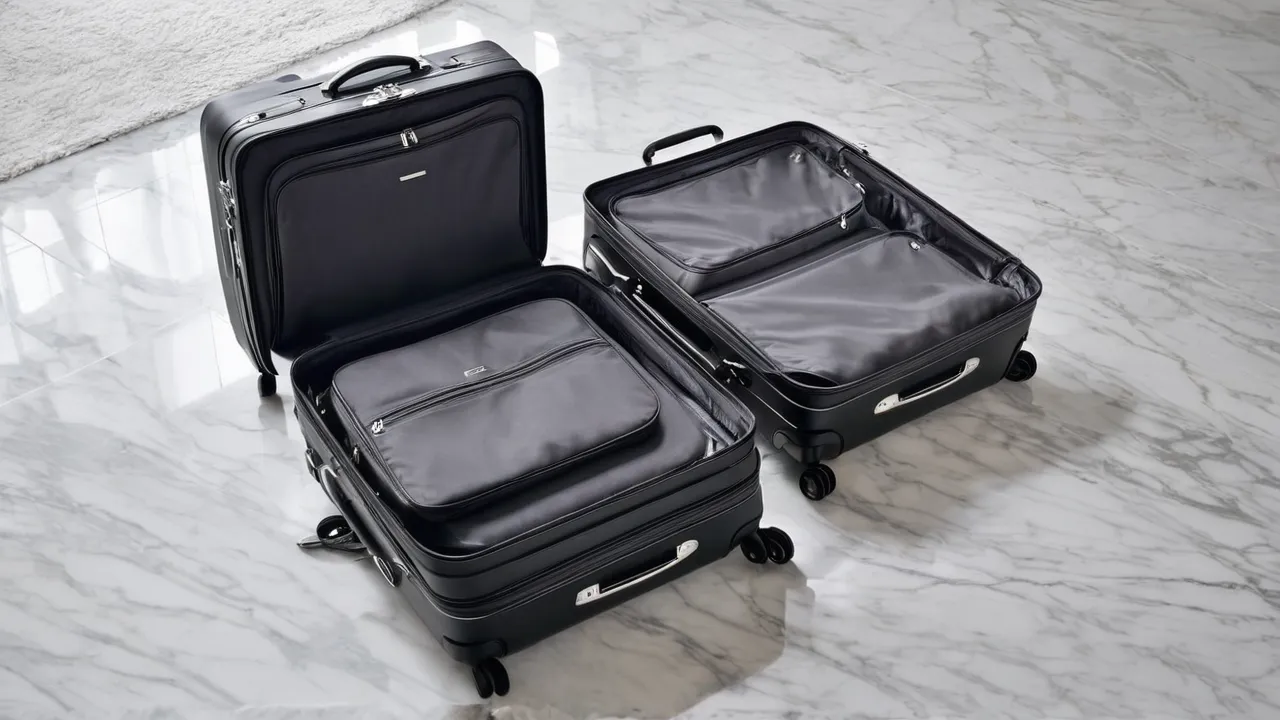
To choose a luggage set, match each piece to a trip you actually take, confirm that the pieces nest or store in the space you have, and make sure the build quality is the same across every size. A good set gives you a carry-on, a medium checked bag, and possibly a large checked bag that you will each use several times per year. A poor set pads the bundle with a size you will never carry. The steps below help you spot the difference before you pay.
Start from your trip profiles
Write down the trips you take in a typical year and sort them into profiles. A weekend away needs a small bag. A week abroad needs a medium bag. A family holiday needs a large bag or two. A business trip needs a carry-on with a place for a laptop or a garment fold.
Then list how many people travel with each bag. A couple that travels together can share a large checked bag and use two carry-ons. A single traveler may need only a carry-on and a medium bag. The goal is to see which sizes show up on your list. A set is only good value if it contains the sizes that appear often.
Leave room for change. If you expect a new family member or a move that changes your travel, think about whether the set can grow with you. Sets that allow you to add pieces later give you flexibility.
Understanding the pieces
Sets typically come in two, three, or four pieces. The usual combinations include a carry-on and a checked bag, a carry-on, medium, and large bag, or a set with a personal item or tote. Some add a garment bag or a cosmetics case.
Check the size of each piece against airline rules, not the label. The carry-on should fit under the limits for the carriers you use, wheels included. A checked piece should stay within linear inch and weight limits. For a detailed look at measuring, see the guide in the luggage sets category.
Look for pieces you will not use. A small cosmetics case or an oversized bag is easy to overlook, but it adds cost and storage burden. If a set has one piece you would not buy by itself, the price for that piece is wasted.
Nesting and storage
Nesting means the smaller pieces fit inside the larger ones for storage. It is a real benefit for small homes, but it requires that the bags are shaped so that they nest, which usually means tapered bodies and matching shapes. Check that the largest bag can hold the others without damaging the wheels or handles.
Measure your storage space before you buy. A closet shelf, a car trunk, and a storage unit each have limits. A set that nests may take half the space of one that does not, and that can matter in an apartment.
Be aware that nesting can encourage you to store the bags with the wheels pressed against other items, which can damage them. Store bags with weight off the wheels and the handles retracted.
Consistency of build across pieces
A set is only as good as its weakest piece. Compare the zippers, wheels, handles, and fabric or shell across all sizes. Brands sometimes use thinner shells or cheaper wheels on smaller pieces, and a flaw in the piece you use most hurts the set.
Check the warranty to see if it covers all pieces equally and whether wheels, handles, and zippers are covered or excluded. Our look at how we review explains how we treat support terms. If the terms are unclear, ask the maker before you buy.
Hard shell sets should have the same material across pieces, and soft sets should use the same denier or fabric type. Differences are a sign that some pieces are made to a price.
Shell type is the next choice. Hard shell sets resist crushing and weather and nest neatly. Soft sets are more flexible, have exterior pockets, and often come with frame handles that sit lower. For a view of soft-sided options, see the best softside luggage set roundup, and for a general overview of sets see the best travel luggage set guide.
Mixing shell types across pieces can be sensible if the set offers it, such as a hard checked bag and a soft carry-on. If you want both types, consider buying separately rather than finding a set that offers a mix.
Think about wheel style too. Four-wheel spinners suit smooth floors, and two-wheel bags suit rough ground. A set typically uses one style across all pieces, so choose the style that fits your most common route.
Red flags in set listings
Some features should make you cautious.
- Dimensions listed without wheels or handles.
- Missing empty weight for any piece.
- A set that bundles a size you already own.
- A warranty that excludes wheels and handles without a clear reason.
- Pieces that do not close easily when full.
- Large sets with many pieces at a low bundle price, which can indicate thin materials.
If you see two or more of these, look at other sets or buy single pieces. The goal is to avoid paying for bulk and to focus on pieces you will use.
How to judge each criterion
Score the set on five questions and decide before you add it to a cart. Do the sizes match trips on your list? Count the pieces you would use at least twice a year; anything less is dead weight. Do the carry-on dimensions, wheels and handle included, clear the carriers you fly? Is the weight for each piece stated? Is the build the same on every size, which you can judge by comparing zipper size, wheel type and handle mechanism across the photos and specifications? Does the warranty name wheels, handles and zippers? A set that answers yes to all five is worth a closer look; two or more no answers mean you should consider single bags.
A worked example of matching pieces to trips
Take a couple who travel together twice a year for a week and once a year for a long weekend. Their week-long trips need two bags: either two medium checked bags or one large bag and two carry-ons. Their weekend trip needs two carry-ons. In that case a three-piece set with two carry-ons and one large bag covers every trip, and the middle size is unnecessary.
Now take a solo traveler who flies for work every month with a carry-on and goes on a family holiday once a year. A carry-on and one medium checked bag cover those trips. A third piece of any size would sit unused, so a two-piece set or two single bags is the better fit.
The point is to let your list decide. Write the trips, count the bags, and see whether the set matches. If it does not, the set is not a bargain at any price.
Who should buy a set, and who should skip it
Families, couples who travel together, students moving into housing, and people replacing all of their bags at once benefit from a set. A set is also useful for people who want a uniform look to identify bags quickly on a carousel.
Solo travelers who fly with carry-on only should skip a set and buy a single carry-on. People who already own a good bag in one size should buy the missing sizes separately. Anyone with limited storage space should be cautious about the largest piece, which can be unwieldy.
Verdict by buyer type: a family or couple packing for the same trips should lean toward a three-piece set; a business traveler who flies with a carry-on should buy one good carry-on instead; a student moving between housing and home should favor a nesting two- or three-piece set; and a traveler who already owns one reliable bag should buy only the missing size. If you are still unsure, price the pieces you would actually use as single bags and compare that total with the set. If the set costs noticeably more than those pieces alone, you are paying for a piece you will not use.
Frequently Asked Questions
Is a luggage set worth it?
A set is worth it when you will use every size and you want matching quality across them, such as for a family or a couple. If you mostly fly with a carry-on, a single bag usually costs less and avoids a piece you never use.
How many pieces should a luggage set have?
Match the count to your trips. A solo traveler often needs two pieces, a carry-on and a medium checked bag, while a couple or family may use three or more. Avoid paying for a size you will not carry, such as an extra cosmetics case.
Do luggage sets nest, and does it matter?
Many sets nest, with smaller pieces fitting inside larger ones, which saves storage space in small homes and closets. It matters if space is tight. Avoid storing bags with weight on the wheels, and check that nesting does not press the handles or wheels.
Final Thoughts
Choose a luggage set by working from your trips, not from the bundle. Map each piece to a real use, measure your storage, check the build quality across sizes, and read the warranty. If one piece will not be used, treat the set price as paying for extra storage.
A set that matches your travel profile is a good buy, but a set chosen for a low bundle price can cost more in the long run. Spend a few minutes writing your trips down before you shop, and let that list decide.
Related buying guides
- How to Choose Luggage Wheels: Bearings and Replaceability
- How to Clean a Suitcase Inside and Out
- How to Repair Luggage: Wheels, Zippers, and Handles
About the author

The BuyOnceChoice Editorial Team researches durable products worth buying once. Our guides compare published specifications, warranty terms, expert review consensus, and verified owner feedback. We do not conduct our own product trials. See How We Review and our Editorial Policy for our standards.