10 Inch vs 12 Inch Miter Saw: Size Decision Guide
Specs differ between sources, so tie blade size to the jobs you do. Crown, baseboard and posts, plus weight, portability and replacement blade cost.
 By BuyOnceChoice Editorial Team
Updated November 16, 2026
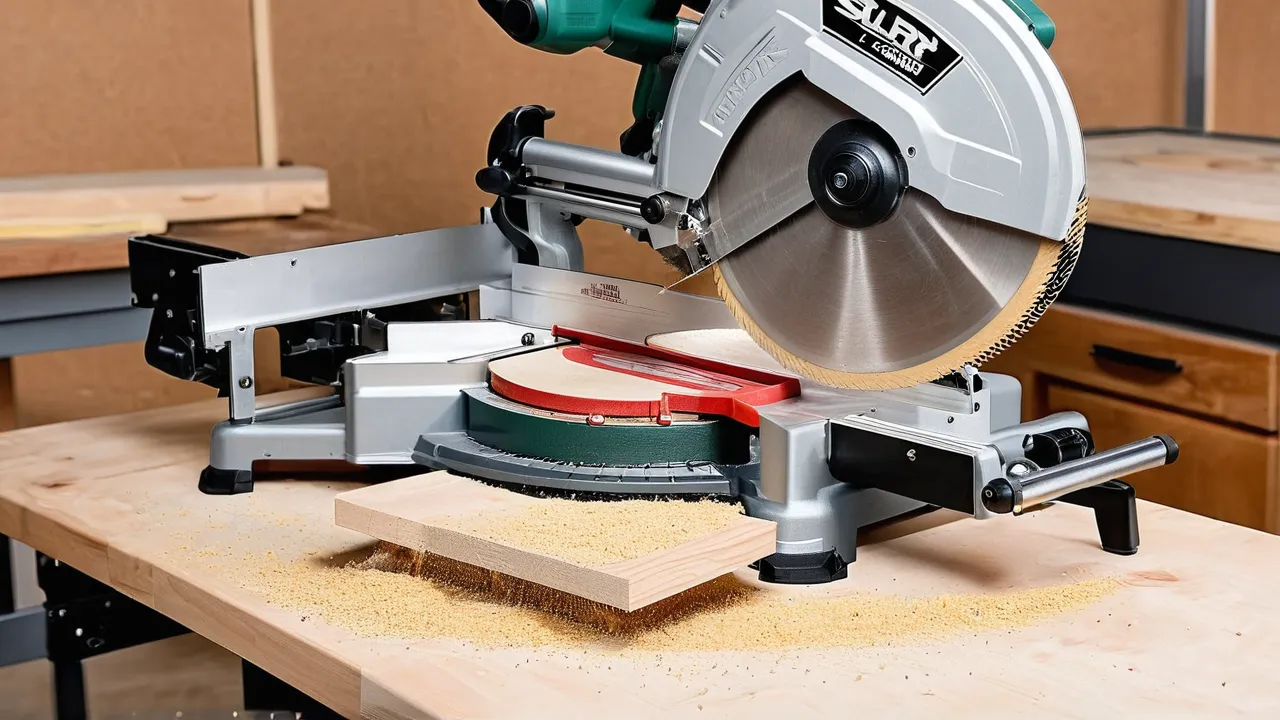
A 10 inch vs 12 inch miter saw comparison comes down to blade diameter, which sets cutting capacity, weight and blade cost. Choose a 10 inch saw for trim, baseboard, casing, furniture parts and most deck and fence work. Choose a 12 inch saw if you regularly cut thick posts, tall baseboard or wide crown molding, or want the extra reach of a sliding saw. The 10 inch saw is lighter and easier to carry, while the 12 inch saw trades that for depth and width of cut.
What blade size changes
Blade diameter sets how deep the saw can cut and, on a sliding saw, how wide. A larger blade reaches further through a thick board, so a 12 inch saw can cut a thicker piece in one pass and a wider piece in one crosscut. A 10 inch saw handles nearly everything a homeowner builds, but it runs out of capacity on larger stock sooner.
Capacity depends on the saw design as much as the blade. A sliding 10 inch saw can out-cut a non-sliding 12 inch saw on width, so compare saws of the same type. Published numbers also vary between brands and between measuring methods. Treat any capacity figure as a starting point and read the manufacturer’s capacity table for the exact cut you plan to make: height and width at ninety degrees, at forty-five degrees, and for nested crown molding.
Blade size also changes rim speed and kerf, and it limits the choice of blades. Both sizes are common, so replacement blades are easy to find, but the selection of specialty blades is usually wider in the 10 inch size.
Match the blade size to your jobs
Start with your most demanding regular job, not the average one. A saw that handles ninety percent of your cuts and fails on the rest will frustrate you more than a saw with a little unused capacity.
- Baseboard and casing: standing tall baseboard against the fence needs height capacity. Many 10 inch saws handle common baseboard heights, while very tall base needs a larger saw or a flat-on-the-table cut method. Check the maximum height at the fence in the manual.
- Crown molding: cut nested against the fence at the spring angle, crown needs capacity for the molding’s width. A 12 inch saw handles larger crown more comfortably. Smaller crown works on either size.
- Framing lumber: two by fours and two by sixes fit both sizes. Wider lumber such as two by tens and two by twelves usually needs a sliding saw or a larger blade.
- Four by four and six by six posts: a four by four measures about three and a half inches thick, which is at or beyond the height capacity of many non-sliding 10 inch saws, so you may need to flip the post and cut from the other side. Capacity varies by model, so check the manual. A 12 inch saw cuts thicker stock in one pass, though a six by six may still need a flip.
- Hardwood, furniture parts and moldings: a 10 inch saw is plenty, and a good blade makes a bigger difference than blade size.
If your work fits a 10 inch saw with margin, there is little reason to buy the larger one.
A capacity check you can do before buying
Measure the widest and thickest board you cut at least once a month. Write down both dimensions, and add the height of the tallest baseboard you install. Then open the maker’s capacity table for each saw you are considering and compare line by line: crosscut width at zero degrees, crosscut width at forty-five degrees, height at the fence, and nested crown size.
If a saw misses any line you need more than once a month, move up a size or choose a sliding model. If it meets every line with room to spare, the smaller saw is enough. This takes about ten minutes and prevents the two common regrets: buying too small and returning the saw, or buying too large and hauling it for nothing.
Weight and portability
A 12 inch saw is heavier, bulkier and harder to move, and sliding versions are bulkier still because of the rails. If you carry the saw in and out of a vehicle daily, the weight adds up quickly. A 10 inch saw is easier to lift onto a stand and fits more bench spaces and truck beds.
If the saw lives on a permanent bench or stand in a garage, weight matters less and the extra capacity of a 12 inch saw may be worth having. Compare the listed weight in the manual, and check how the saw carries: a good handle placement and a lock for the head and slide make a heavy saw far easier to move.
Cordless miter saws are available mostly in smaller sizes, and a cordless model removes the cord from the equation. Check runtime and the battery platform the maker supports. Our best small miter saw roundup covers the compact end of the market.
Blade cost and availability
Blades for 10 inch saws are widely stocked in many tooth counts and kerf thicknesses. Blades for 12 inch saws cost more because they contain more steel and carbide, and a premium trim blade adds up over several replacements. A large blade also needs care to stay flat and true, and a dull blade burns and tears the cut.
When you shop, include the cost of a good finish blade and a crosscut blade for framing, since swapping blades improves results more than any saw upgrade. Use only the diameter and arbor size the saw maker specifies, and check the maximum rpm printed on the blade against the saw’s no-load speed.
Kerf and cut quality
A larger blade has a wider body and often a thicker kerf, which removes more material and asks more of the motor. A thin-kerf blade eases the load on a small saw, though it can flex if the saw is not designed for it. For expensive hardwood or finish trim, choose a blade with a high tooth count, confirm the kerf suits the saw, and keep a spare so a dull blade never stays in service.
Motor, accuracy and features
A larger blade needs a motor that can turn it, so 12 inch saws usually carry a more powerful motor, though both sizes commonly draw the full current a household circuit supplies. Power matters less than blade sharpness and the quality of the fence and miter detents. Check that the fence is flat, the miter scale is easy to read, and the detents lock firmly, because small errors multiply across a length of trim.
Other features are worth comparing across both sizes: a bevel that tilts both directions, a positive stop at common angles, a laser or shadow light, and dust collection. Dust collection varies and neither size captures all the dust, so plan to wear a mask and connect a vacuum where the saw allows it.
A key point for a buy-once approach: a good 10 inch saw with a fine blade and solid detents will cut cleaner than a 12 inch saw with a loose fence. Capacity helps only when everything else is right.
Verdict by buyer type
- Homeowner doing trim, baseboard and small projects: 10 inch, for weight, cost and blade choice.
- Trim carpenter carrying the saw to job sites: 10 inch, unless you install tall base or large crown daily.
- Deck and fence builder using larger posts and wide boards: 12 inch, ideally sliding.
- Woodworker with a permanent shop: 12 inch sliding if space allows, since the extra width saves setups on wide panels.
- Small-garage owner: 10 inch, because a sliding 12 inch saw needs clearance behind it for the rails.
- Anyone who keeps bumping into the capacity limit: move up, since workarounds waste time and cause errors.
For options in each size, see the miter saws category. Our how we review page explains how we weigh specifications and ownership factors.
Safety
Keep hands out of the blade path, clamp the work, wait for full blade speed and let the blade stop before lifting it. Wear eye and hearing protection and a dust mask. Unplug the saw or remove the battery before changing a blade, and follow the manual for blade size, arbor, guard operation and maintenance.
Frequently Asked Questions
Can a 10 inch miter saw cut a four by four in one pass?
Often not at ninety degrees on a non-sliding model, since a four by four measures about three and a half inches and many 10 inch saws top out below that, though some sliding and dual-bevel models list it. Many owners flip the post and cut from the other side. A sliding saw or a 12 inch saw often does it in one pass. Confirm height capacity in the manual.
Is a 12 inch miter saw better for crown molding?
It is more comfortable for large crown because the wider blade gives more capacity when cutting nested at the spring angle. Small and medium crown cuts fine on a 10 inch saw. Check the maker’s nested crown capacity, because it differs by saw design and not only by blade diameter.
Can I put a 12 inch blade on a 10 inch saw?
No. Use only the blade diameter and arbor size the saw maker specifies. A larger blade will not clear the guard, can strike the housing and exceeds what the motor and guard were built for. Both guard and speed ratings are matched to one blade size, so follow the manual.
Are 12 inch miter saw blades more expensive?
Generally yes, because they contain more steel and carbide, and premium trim blades cost more in the larger size. The difference matters most if you replace or sharpen blades often. Budget for a quality finish blade and a framing blade regardless of saw size.
Final Thoughts
Blade size is a capacity decision. A 10 inch saw is the practical choice for most homeowners and trim carpenters, with lower weight and blade cost. A 12 inch saw earns its place when posts, tall base or large crown are part of the regular workload. Read the maker’s capacity table for the exact cuts you make, plan for a quality blade, and use the guard and clamps every time.
Related buying guides
- Cutting Crown Molding on a Miter Saw: Angles and Settings
- Miter Saw Blade Guide: Tooth Count and Kerf Explained
- Miter Saw Buying Guide: Bevel, Capacity and Dust
About the author

The BuyOnceChoice Editorial Team researches durable products worth buying once. Our guides compare published specifications, warranty terms, expert review consensus, and verified owner feedback. We do not conduct our own product trials. See How We Review and our Editorial Policy for our standards.