Portable vs Standby Generators for Home
Cost estimates for portable and standby generators vary too much to trust. Decide by outage frequency, the loads you run and how much effort you will accept.
 By BuyOnceChoice Editorial Team
Updated November 16, 2026
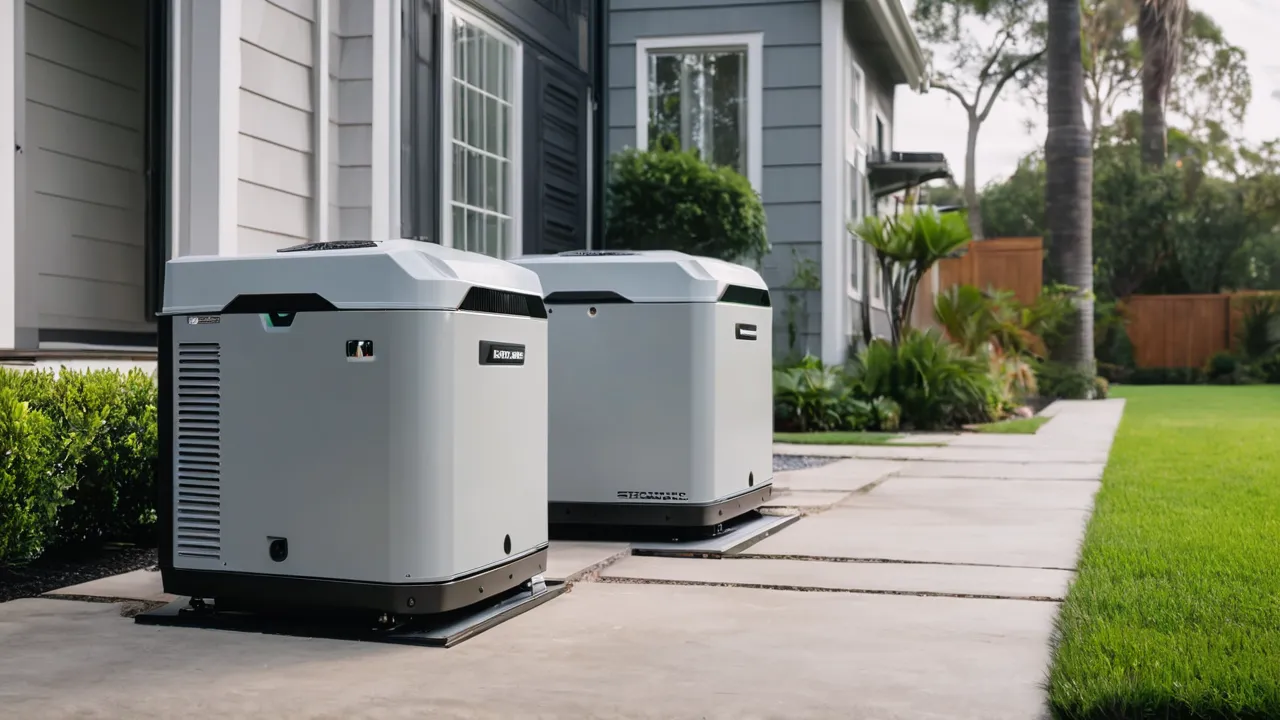
A portable generator is a movable engine-driven unit that you fuel and start by hand and connect to your home with a cord or a transfer device, while a standby generator is a permanently installed unit on a pad that runs on natural gas or propane and starts automatically when the power fails. Choose portable for occasional, short outages and a lower upfront cost, and choose standby when outages are frequent or long, when you want automatic, hands-free power, or when you want to run large loads like central air conditioning.
Cost figures from sellers and installers disagree widely, so this guide gives decision rules by outage frequency and need instead of quoting prices. It also shows why wiring and placement matter more than size. Browse the portable generator category and the whole-home generators category to compare models, see an example of a large portable unit in our guide to a 13,000 watt portable generator, and read how we review for how we treat specifications.
What Separates the Two Types
Portable generators run on gasoline, and many dual-fuel models also run on propane. They sit on wheels or a frame, and you move them out of storage, fill them, start them, and run cords or connect through a transfer device or inlet. They are sized in a range from small camping units to large home units rated for several thousand watts.
Standby generators are built into the property. They sit outdoors on a pad, connect to a gas supply and to your electrical service through an automatic transfer switch, and exercise themselves weekly. When the utility drops, the transfer switch senses it and starts the generator, usually within seconds. When power returns, the switch transfers back and the engine cools down and stops. The cost, permits, and installation work are far larger than for a portable unit.
Convenience and Response Time
Standby wins on convenience. No one needs to be home, no one carries fuel in the dark, and the refrigerator, sump pump, furnace blower, and medical equipment stay on. Portable generators need a person to bring the unit out, fuel it, start it, and connect it, and to refuel on schedule. In a storm at night, in winter, or if you travel, that is a real difference. If someone in the home relies on powered medical equipment, an automatic system deserves serious consideration, and a backup plan should still exist.
Portable generators are better when convenience matters less than cost, or when you need to power other places too, such as a job site or a campsite. One unit can serve more than one need.
Power and Which Loads You Can Run
Portable units commonly supply enough for a refrigerator, lights, a furnace blower, and electronics, and larger models can handle a well pump or a window air conditioner. Whole-house central air conditioning and electric ranges are tougher for most portable units. Standby generators are available in a wide range of output, from a few kilowatts that cover essentials to units sized for the whole house, and some use load management to share power between big loads.
Add the running watts of what you want on at the same time, then add the starting surge of the largest motor. Compare the total to the generator’s continuous rating, not the peak rating on the front of the box. A step-by-step approach appears in our sizing guides.
Wiring Matters More Than Size
How the generator connects to the house decides how safe and convenient it is. A standby generator uses an automatic transfer switch that isolates the house from the utility, which prevents backfeed. A portable generator can run extension cords to individual appliances, which is simplest, or connect through a manual transfer switch or an interlock and an inlet, which powers selected circuits. Never plug a generator into a wall outlet to power the home, because that can send power back into the utility lines and endanger line workers and your neighbors. Transfer equipment must be installed by a licensed electrician, with permits where required.
Transfer Switches and Inlets for Portables
A manual transfer switch moves selected circuits to the generator with one lever. An interlock kit is a mechanical plate on the main panel that prevents the main breaker and the generator breaker from being on together. Both require an inlet box on the outside of the house and a proper cord. Ask the electrician which fits your panel and local code, and read the generator manual for the outlet type.
Safety, Noise, Fuel, and Maintenance
Carbon monoxide is the leading hazard with portable generators. Run them outdoors only, far from windows, doors, and vents, with the exhaust pointed away. The Consumer Product Safety Commission advises at least 20 feet of clearance and battery-powered carbon monoxide alarms inside the home. Standby units sit outside by design, with clearance rules from the manual and local code.
Noise varies. Portable units can be loud, and inverter models are quieter. Standby units are quieter than many open-frame portables but still noticeable. Fuel differs: gasoline for portables is hard to store for long, so rotate it or use stabilizer, while natural gas or propane for standby is continuous or stored in a tank. Maintenance for both includes oil changes, air filters, and spark plugs, and standby units add a service plan and weekly exercise.
Decision Rules by Outage Frequency
- One or two short outages a year, with a refrigerator and a few small loads: portable generator, with a transfer inlet if you want convenience.
- Several outages a year of a few hours: portable with a transfer switch, or a smaller standby, depending on convenience and budget.
- Long outages, such as multi-day storm events, or a household with medical needs: standby generator, with a fuel plan and a service contract.
- Frequent outages with central air conditioning or a well pump: standby sized to the load, or a large portable on a transfer switch if the budget is limited.
- Renting or moving soon: portable, since a standby install is tied to the property.
Real Households, Real Choices
A couple in a mild climate who lose power twice a year for a few hours can keep a refrigerator and a router going with a mid-sized portable and a few extension cords. A family in a rural area with a well pump and a storm season of multi-day outages gets more from a standby unit with a propane tank. A remote worker with a strict schedule who cannot go offline benefits from automatic transfer, so a standby or a battery and generator combination fits better than a portable. A tenant who cannot modify the building has no choice but a portable.
Thinking About Total Cost Without Prices
Because published cost figures disagree, build your own comparison from line items. For a portable unit, count the generator, a transfer switch or interlock with an inlet and a licensed electrician’s labor, a heavy-duty cord, fuel containers, and a fuel stabilizer. For a standby unit, count the generator, the automatic transfer switch, the pad, gas line or propane tank work, permits, electrical labor, and a service plan. Then add running cost: gasoline you must keep fresh against gas or propane that arrives on its own. Ask for itemized quotes for the standby option, and total the portable option from real shopping lists. The gap is usually the installation, not the machine.
Also weigh what an outage costs you. Spoiled food, a flooded basement from a failed sump pump, frozen pipes, or a missed workday can outweigh the difference between the two options. That is a reason to match the choice to your actual risk instead of buying the cheapest or the largest unit.
Questions to Ask Before You Buy
- What are the running watts and starting watts, and which loads do I need together?
- How is it connected to the home, and who installs and permits that connection?
- What fuel will it use, and how long will it run on the supply I have?
- How loud is it at a stated distance, and what are the neighborhood rules?
- Who services it, and what does the warranty cover?
A licensed electrician and, for gas, a licensed gas fitter should handle the installation. Follow the manual for placement, clearances, and fuel handling.
Frequently Asked Questions
Is a portable or a standby generator better for a house?
Standby is better for convenience, long outages, and large loads, and portable is better for lower cost, flexibility, and occasional use. Decide by outage frequency and length, the loads you must run, and who will be home to operate it. Many households fit portable, and some need standby.
Can a portable generator power a whole house?
A large portable can power many circuits through a transfer switch or interlock, but central air conditioning and electric ranges may exceed it. Add your running watts and the largest surge, and compare to the continuous rating. Have a licensed electrician install the connection, and never backfeed through an outlet.
Do standby generators run all the time?
No. They start when the utility fails, run until power returns, and then shut down. They also run briefly for a scheduled exercise cycle, usually weekly, to keep the engine ready. Follow the manual for the exercise schedule and for service intervals, and keep fuel supply in mind during long outages.
Final Thoughts
Portable generators are the flexible, lower-cost choice for occasional outages, and standby generators are the hands-free choice for frequent or long ones and for large loads. Decide by outage pattern and needs, connect either safely through proper transfer equipment installed by a licensed electrician, and keep carbon monoxide alarms working inside the home.
Related buying guides
- Standby Generator Buying Mistakes to Avoid
- Home Standby Generator Cost Factors Explained
- Standby Generator Maintenance Schedule
About the author

The BuyOnceChoice Editorial Team researches durable products worth buying once. Our guides compare published specifications, warranty terms, expert review consensus, and verified owner feedback. We do not conduct our own product trials. See How We Review and our Editorial Policy for our standards.