What Size Dehumidifier Do You Need: Pint Sizing Guide
Use a simple area-and-dampness method to pick a pint rating, then learn why one size larger usually means less compressor wear and a drier room.
 By BuyOnceChoice Editorial Team
Updated November 16, 2026
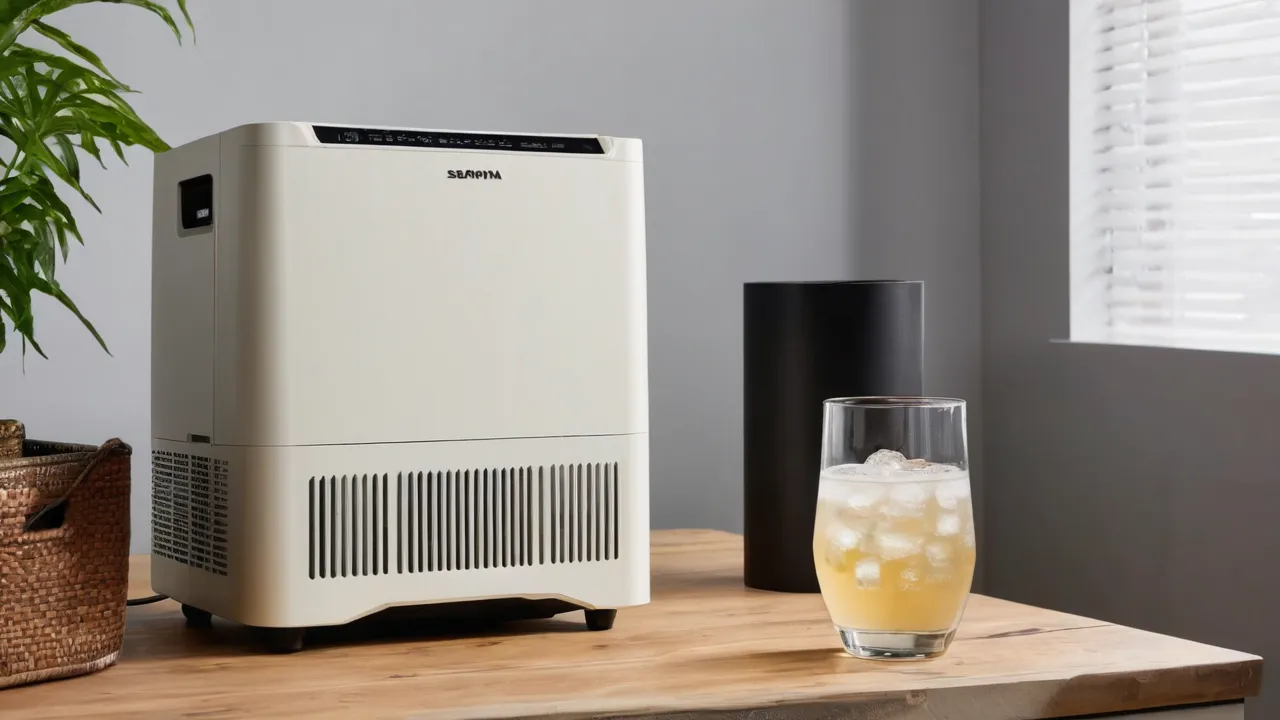
Retail size classes cluster near twenty, thirty-five and fifty pints, and ENERGY STAR guidance for spaces under 2,000 square feet lists roughly 20 to 30 pints for slightly to moderately damp, 25 to 40 for very damp and 30 to 50 for wet, but the right answer depends on floor area, how damp the space actually is, and which rating standard is printed on the box. The method below turns those three variables into one number you can shop with.
Start With Floor Area and Honest Dampness
Pint ratings describe how much moisture a unit can pull from the air in a day under set conditions. Your job is to estimate how much moisture your space needs removed. Begin with square footage of the area the unit will serve, not the whole house. Measure length times width for each connected space, and treat a closed-off room as separate. A dehumidifier cannot dry a room behind a shut door nearly as well as one in an open basement.
Then rate the dampness using what you can observe, not what you hope is true. Use these tiers.
- Slightly damp: The room smells musty only in humid weather, and nothing feels wet to the touch.
- Very damp: The air feels clammy most of the year, a musty odor lingers, and you see condensation on cold pipes or windows.
- Wet: You see damp patches on the floor or walls, efflorescence on masonry, or water after heavy rain.
The third tier needs a warning. A dehumidifier controls humidity in the air. It does not fix liquid water entering through the walls or floor. If you see seepage, the real repair is drainage, grading, gutters, or waterproofing, and the dehumidifier is a supporting player. Sizing a machine to fight active leaks just means a larger machine working against a bigger problem.
Turn Area and Dampness Into a Pint Rating
Manufacturers publish sizing charts, and they broadly agree on the pattern: more area and more dampness call for a higher rating. Rather than quote a table that may not match your model, use the common size classes you will see on shelves and match them to your numbers. Under the current rating standard, typical retail size classes are roughly twenty, thirty-five, and fifty pints, while ENERGY STAR lists 20 to 30 pints for a slightly to moderately damp space under 2,000 square feet and larger figures for wetter ones. Treat the table below as an approximate planning starting point, not a published standard, and confirm against the chart in the product listing or manual.
| Space | Slightly damp | Very damp |
|---|---|---|
| Small room or closet-sized area, up to about 500 sq ft | Small class, about 20 pints | Small class or mid class |
| Typical basement, about 500 to 1,500 sq ft | Mid class, about 35 pints | Mid class or large class |
| Large open basement, 1,500 sq ft and up | Mid class or large class | Large class, about 50 pints |
Notice that the “very damp” column pushes you one class up. That is deliberate, and it is the first of several adjustments.
Adjustments That Change the Answer
Add capacity, meaning move up a class, when any of these apply.
- Ceilings taller than a standard eight feet. Air volume matters, not just floor area.
- A clothes dryer, laundry sink, or unvented laundry in the space.
- A large household that cooks, showers, or dries clothes indoors.
- A space with many openings to other humid areas, such as a stairwell to a steamy kitchen.
Move down a class only if the area is well sealed, has low ceilings, and the dampness is truly seasonal. When you are unsure, do not move down.
Check Which Standard the Pint Number Comes From
This step trips up many buyers. The same machine earns a larger pint number under the older rating conditions than under the current, stricter conditions used since the federal efficiency rules changed. The older rating assumed warm, very humid air. The current one assumes cooler air, which is closer to a real basement. A unit that once advertised thirty pints may now carry a noticeably lower number, with no change in hardware.
So when you compare a listing that seems to offer the same capacity at a lower rating, check whether it is simply labeled under the newer standard. Old charts you find online, written in the older era, may tell you to buy more pints than you now need on paper, but a newer-standard label is the more realistic figure for a cool basement. Always compare units on the same standard, and when the listing does not say, look in the manual or on the rating label for the standard or the rating temperature.
The Buy-Once Rule: Size Up One Step
Here is the logic that most sizing pages skip. A dehumidifier cycles on and off around a humidity setting. A unit that is a little too small may run nearly nonstop and still struggle to reach the target, especially on humid days. That means long running hours, constant compressor load, a coil that spends more time frosting and defrosting in cool rooms, and a fan and bucket system working all day. Those hours are what wear out a compressor, fan motor, and drain components.
A unit one class larger reaches the setpoint faster, shuts off, and rests. Over a season its total running hours are often lower, even though it draws more power while it runs. Unlike an air conditioner, oversizing a dehumidifier carries no serious comfort penalty, because there is no cooling load to short-cycle against and the humidistat simply stops the machine. The costs of going up are a higher purchase cost, a larger footprint, and more noise while running.
So use this rule: calculate your class, then buy the next class up unless the room is small, you are short on space, or the plug-in load matters. If the number lands on the border between two classes, take the larger one. If you are shopping for a long-lived unit, look at the dehumidifier buying guide for build features such as a durable coil, a humidistat you can set, and a continuous drain option.
Drainage and Overflow Safety
Water damage is the main risk with this appliance. A full bucket on a unit with no automatic shutoff, a kinked drain hose, or a pump that stops working can put water on a finished floor. Follow these habits.
- Prefer a gravity hose to a floor drain, or a condensate pump, over relying on the bucket for any space you leave unattended.
- Run the hose downhill the whole way, with no loops or kinks, and keep the end above the water line of the drain.
- Confirm the unit has a bucket-full shutoff, and read the manual for how it works.
- Check hoses and fittings at the start of every season, and unplug before cleaning the filter or coil.
- If you use a pump, learn where its overflow cutoff sits and see our look at a basement model with a built-in pump for what to look for.
Never run an extension cord that is damaged or undersized, and follow the manual for any wiring or outlet questions. For anything beyond a standard plug, call a licensed electrician.
A Worked Example
Say you have a basement of twenty-four by thirty feet, so about 720 square feet. It smells musty in summer, the walls are dry, and there is a laundry area with a dryer. The first tier places you around slightly damp to very damp. Your area puts you in the mid class, and the laundry pushes you up. You have eight-foot ceilings, so no height adjustment. Your result is the mid class, with a lean toward the large class if the odor is constant. Applying the buy-once rule, you would choose the larger of the two, add a gravity or pump drain, and set the humidistat around the middle of the comfort range, which many manufacturers suggest for living spaces.
Verdict by Space
- Small, mostly dry room that gets muggy in summer: Small class, one step up if the room has a closet or bath attached.
- Typical finished or semi-finished basement: Mid class, up to the large class with laundry or constant musty smell.
- Big open basement or a crawl-space-adjacent area: Large class, and consider whether sealing the space would reduce the load.
- Anyone with visible seepage: Fix the water source first. A dehumidifier is a support tool, not a patch.
Skip the largest class if you only need to knock down seasonal dampness in a small room. It will be bulky and louder than necessary.
Frequently Asked Questions
What size dehumidifier do I need for a 1,000 square foot basement?
A mid class unit is a common starting point (ENERGY STAR lists 20 to 30 pints for a slightly to moderately damp space under 2,000 square feet, and retail mid classes cluster near 35 pints) for a basement of that size that is slightly damp. Move up to a large class if it is very damp, has laundry, or has tall ceilings. Confirm the rating standard on the label before comparing models.
Is it better to buy a bigger dehumidifier than I need?
Usually one class up is reasonable, because a unit that reaches the setpoint and rests runs fewer hours than one chasing the target all day. Going far larger adds cost, noise, and bulk. Calculate your class first, then step up only when the room is damp, has laundry, or sits on the border.
Can a dehumidifier fix a wet basement?
No. A dehumidifier controls humidity in the air but does not stop liquid water entering through walls or floors. If you see seepage, fix drainage, grading, gutters, or waterproofing first, and use the dehumidifier as support. Ask a qualified waterproofing professional if you are unsure of the source.
Should I use the bucket or a drain hose?
Use a gravity hose or a condensate pump for any space you leave unattended, because a full bucket can stop the unit or overflow if the shutoff fails. Run the hose downhill with no kinks, and read the manual for the bucket-full shutoff and the pump’s overflow protection.
Final Thoughts
Sizing comes down to three steps: measure the area the unit serves, rate the dampness honestly, and confirm the pint number is on the current standard before comparing models. Then go one class up, because a unit that rests between cycles ages more slowly than one chasing the target all day. Pair the right size with a safe drain, and the machine can stay in service for many seasons. To see how we choose products, read how we review, and for more appliance advice browse the home appliances hub.
Related buying guides
- Whole House vs Portable Dehumidifiers: Cost and Fit
- Basement Humidity Levels: Target Range and Dehumidifier Fit
- Compressor vs Desiccant Dehumidifiers: Which Fits
About the author

The BuyOnceChoice Editorial Team researches durable products worth buying once. Our guides compare published specifications, warranty terms, expert review consensus, and verified owner feedback. We do not conduct our own product trials. See How We Review and our Editorial Policy for our standards.