How to Clean and Maintain a Dehumidifier
Clean a dehumidifier with a four-part seasonal routine covering filter, bucket, coil, and drain, plus safe steps and mistakes that shorten its life.
 By BuyOnceChoice Editorial Team
Updated November 16, 2026
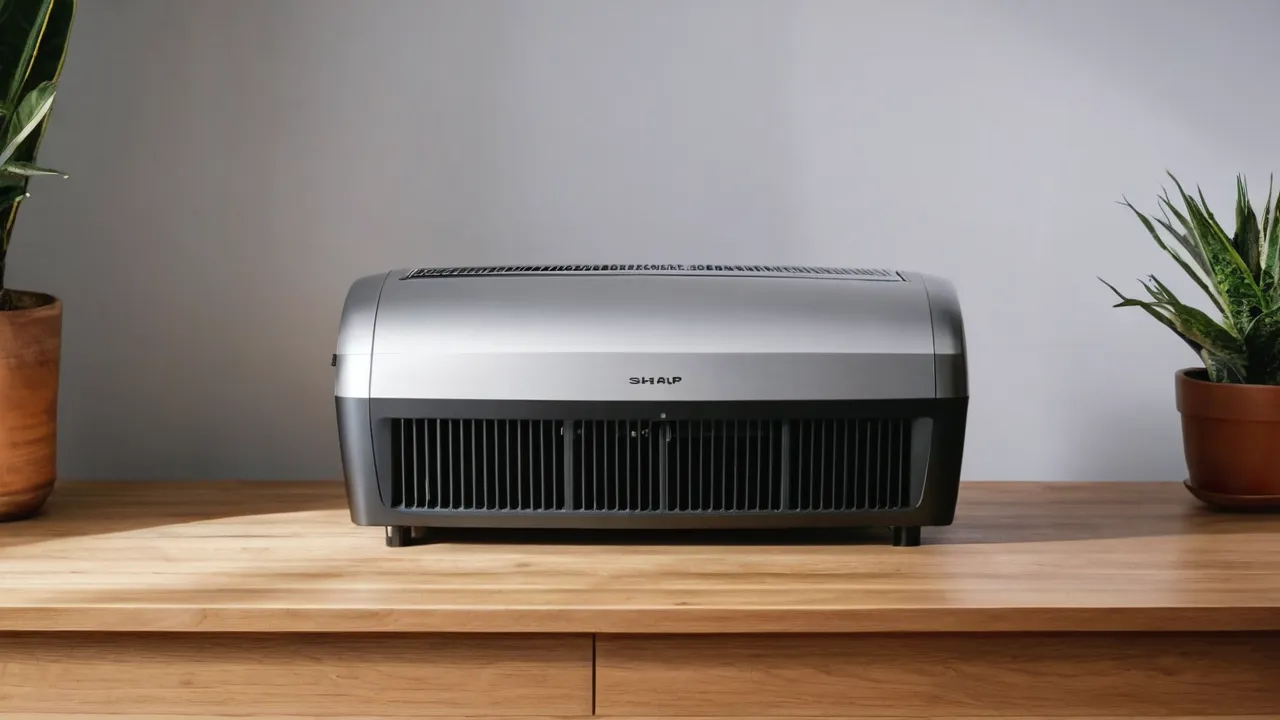
To clean a dehumidifier, unplug it, empty and wash the bucket, rinse or replace the air filter, gently vacuum the coils, and flush the drain hose or pump path. Do the filter often during heavy use and the coil and drain once or twice a season. Always follow the manual for your model.
Before You Start: Power Off and Dry Hands
Water and electricity share this job, so the first step is the only one that is not optional. Unplug the unit from the wall, not just the power button, and let it sit for a few minutes if it has been running. Work on a towel or a tray so spilled water does not reach the outlet. Do not spray cleaners into vents or onto the control panel, and never run the unit while a panel is open.
Gather a soft brush or vacuum with a brush head, a bottle of mild dish soap, white vinegar, a microfiber cloth, and a small flexible brush for the drain port. Skip bleach on plastic parts and coils unless the manual allows it, because it can degrade seals and leave fumes in a closed room.
The Four Parts That Matter
Air filter: every few weeks in heavy use
The filter protects the coil from dust. Slide it out, vacuum off loose dust, then rinse under lukewarm water if the manual says it is washable. Let it dry fully before replacing it, since a damp filter grows mildew quickly. If the mesh is torn or the frame is warped, replace it with the maker’s part.
Bucket: empty often, wash monthly
Standing water develops a slimy film. Wash the bucket with warm water and dish soap, rinse, and wipe dry. For odors, use a mix of one part white vinegar to a few parts water, let it sit briefly, then rinse. Check the float, the plastic piece that tells the unit the bucket is full. If it sticks, the machine may stop for no reason or fail to stop when full.
Coil: once or twice a season
The evaporator coil behind the filter is where moisture condenses. With the unit unplugged, use a soft brush or vacuum with a brush attachment to remove lint along the fins, brushing in the direction of the fins to avoid bending them. Bent fins reduce airflow, and a gentle fin comb is the only safe fix. A dirty coil forces longer run times and can cause frosting in cooler rooms.
Drain path: flush before heavy seasons
If you use a continuous drain hose, detach it and run warm soapy water through it, then rinse. Check for kinks and for sag that could trap water. If your unit has a pump, run the vinegar mixture through the reservoir per the manual, then flush with clear water. Mineral scale from hard water is a common cause of slow drainage and pump failure.
Before each humid season, check the drain path by pouring a small amount of clean water into the reservoir path the manual names and watching that it leaves through the hose or pump at a steady rate. If it dribbles or backs up, flush it again before the first heavy week. This takes a few minutes and finds a clog while it is still a minor chore.
A Simple Seasonal Schedule
| When | What to do |
|---|---|
| — | — |
| Start of season | Wipe exterior, wash filter and bucket, vacuum coil, flush drain |
| During heavy use | Check filter every few weeks, empty or inspect the drain weekly |
| Mid season | Wash bucket, wipe intake grille, check hose slope |
| End of season | Drain fully, dry all parts, coil and filter clean, store upright |
Adjust frequency to your environment. Pet hair, workshop dust, or a laundry room add lint and call for a shorter filter interval. A clean, finished basement may stretch it.
Cleaning Walkthrough, Step by Step
Here is the order that works for most portable units, because it moves from dirty to clean without recontaminating anything.
- Unplug the unit and move it to a spot where you can tip water safely, such as a utility sink, a tub, or outdoors.
- Remove the bucket and empty it. Set it aside to wash later.
- Pull the filter and vacuum or rinse it. Hang it to dry.
- Look at the coil with a flashlight. If you see a gray mat of dust, vacuum it with a soft brush head. Do not press hard.
- Wipe the intake and exhaust grilles with a damp cloth, then dry them.
- Wash the bucket, the float, and any splash guard. Rinse and dry.
- Reassemble when everything is dry, and plug the unit back in. Run it for a short cycle and watch for normal collection and no odd noises.
The whole job takes under half an hour for most machines. The reward is steady water collection and a lower electric draw, because a clean coil lets the compressor reach the humidity setpoint faster and shut off sooner.
As a check on your own cleaning, note how much water the bucket collects in a day before and after you wash the filter and vacuum the coil under similar room conditions. A clear increase tells you the chores were worth doing, and no change tells you to look at the room or the machine instead.
Check the manual for parts that should not get wet, such as certain sensors near the humidistat. If the manual shows a service panel, leave it closed unless a qualified technician is involved.
Mold, Odors, and What They Mean
A musty smell from the unit usually points to damp parts, stagnant water, or a dirty coil. Clean the bucket and filter first. If the odor persists, wipe interior surfaces accessible without disassembly, and make sure the drain path is not holding water. If you see visible mold on the machine, wear gloves, clean it with a mild solution, and consider whether the room itself has a moisture problem that a dehumidifier alone cannot solve. Large patches of mold on walls or flooring are a reason to talk to a moisture or remediation professional rather than scrub them yourself.
Remember also that a unit can spread mildew spores if allowed to run with a clogged coil, so cleaning protects the air as well as the machine. For a view on how often to expect parts to wear out, read our guide to how long a dehumidifier lasts, then browse the dehumidifier guides for models with easy-clean features.
Mistakes That Shorten Life
- Running with no filter or a wet filter, which lets dust coat the coil.
- Pressure washing or soaking the unit, which can reach electrical parts.
- Bending coil fins while brushing, which blocks airflow.
- Leaving water in the bucket during storage, which breeds odor and scale.
- Placing the unit tight against a wall, which starves the intake. Most makers ask for several inches of clearance, and the manual gives the exact figure.
- Using harsh solvents that craze plastic and make it brittle.
Consider keeping a small log on the side of the unit with a marker or a phone note: the date of each filter wash, the date of each coil clean, and any change in how fast the bucket fills. A drop in daily collection under steady conditions is the earliest sign that something needs attention, and a log makes the pattern obvious. If the bucket fills more slowly after you have cleaned everything, think about the room conditions first, since a cold or dry room legitimately reduces collection. Our overview of home appliances shows how this kind of upkeep fits into long-term ownership.
Who Should Clean Often and Who Can Relax
- Basement or crawl space users running the unit daily: weekly drain check, filter every few weeks.
- Seasonal use in a bedroom or office: filter monthly and coil at season change.
- Homes with shedding pets or dusty hobby work: shorten every interval.
- Owners who rely on a pump: flush it before each humid season, since a failed pump can flood a floor.
If you notice reduced water collection after thorough cleaning, move on to the signs in a repair-or-replace review rather than scrubbing again. See the How We Review page for how we judge upkeep claims on product pages.
Frequently Asked Questions
How often should I clean a dehumidifier?
Check the air filter every few weeks in heavy use, empty the bucket often and wash it monthly, vacuum the coil once or twice a season and flush the drain path before the heavy season. Dusty homes and pet owners should shorten each interval. Always follow the manual for your model.
Can I wash a dehumidifier filter?
Yes if the manual says it is washable. Vacuum off loose dust, rinse under lukewarm water and let it dry fully before replacing it, because a damp filter grows mildew quickly. If the mesh is torn or the frame is warped, replace it with the maker part rather than running without a filter.
How do I get the smell out of a dehumidifier?
Wash the bucket and filter first, then clean the float and wipe the accessible interior surfaces. A mix of one part white vinegar to a few parts water helps with odor, followed by thorough rinsing. If the smell persists, check the drain path for standing water and the room for a moisture source.
Can I clean the coils with water?
Avoid it. Moisture can reach electrical parts. With the unit unplugged, use a soft brush or a vacuum with a brush attachment along the direction of the fins, and use a fin comb if fins are bent. Do not pressure wash or soak the unit, and follow the manual for the coil.
Final Thoughts: Short Chores Keep the Coil Working
The routine is small: unplug, wash the filter and bucket, vacuum the coil, flush the drain, and dry everything before storage. Doing it at the season’s start and checking mid-season keeps airflow strong and prevents most odor and shutoff problems. Always defer to the manual for your model.
Related buying guides
- What Size Dehumidifier Do You Need: Pint Sizing Guide
- Whole House vs Portable Dehumidifiers: Cost and Fit
- Basement Humidity Levels: Target Range and Dehumidifier Fit
About the author

The BuyOnceChoice Editorial Team researches durable products worth buying once. Our guides compare published specifications, warranty terms, expert review consensus, and verified owner feedback. We do not conduct our own product trials. See How We Review and our Editorial Policy for our standards.