How Long Does a Dehumidifier Last and When to Replace
How long does a dehumidifier last? See the failure signs for compressor, coil, and humidistat, plus a simple rule for repair versus replace.
 By BuyOnceChoice Editorial Team
Updated November 16, 2026
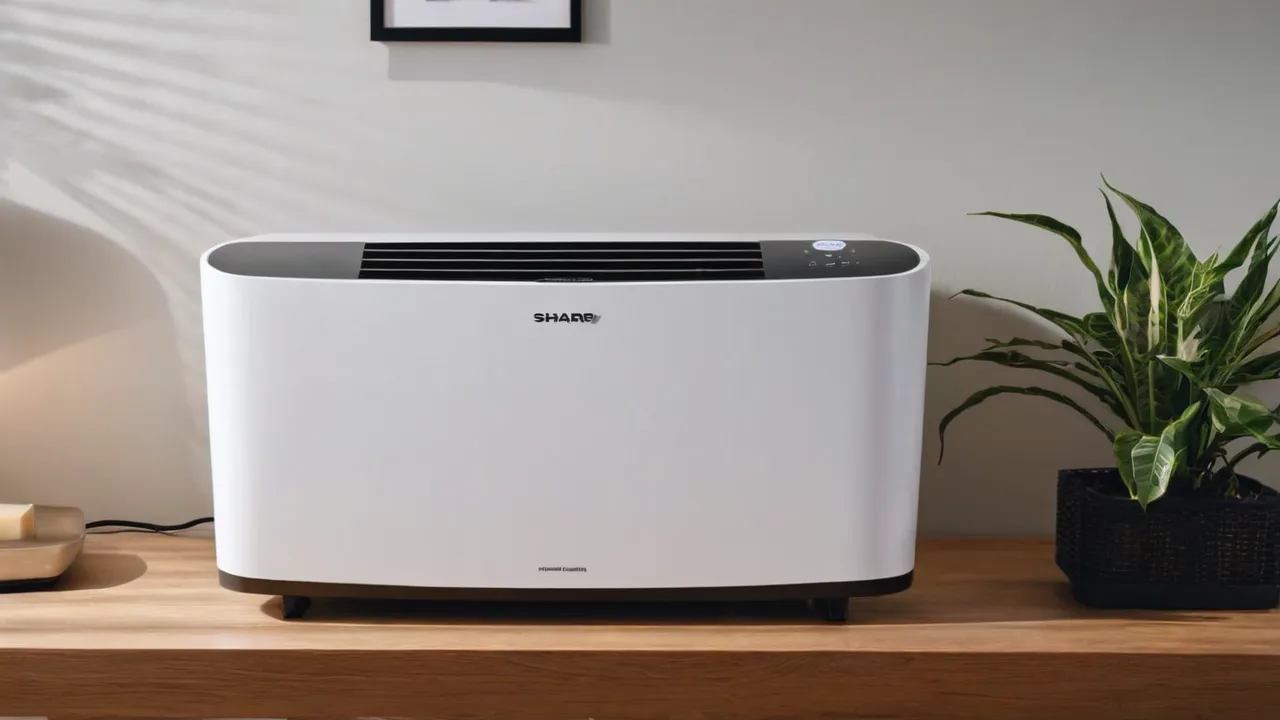
How long does a dehumidifier last? Many compressor-based units serve for several years of seasonal use, and heavy basement duty, dirty coils, and poor drainage shorten that. Manufacturers state warranty terms rather than lifespan, so use the signs below and your repair costs to decide when to replace.
What Decides Lifespan
No honest number applies to every machine, because use pattern drives wear more than age. A unit that runs a few months a year in a modest room has a very different life from one that runs nonstop in a damp basement.
- Run hours: compressors and fans wear with use, not calendar time.
- Coil condition: dust and mildew on the evaporator coil force longer runs and higher temperatures.
- Room temperature: compressor units struggle in cold spaces, where coils can frost and the machine cycles hard.
- Drainage: a bucket that overflows or a pump that clogs causes shutoffs and shortens component life.
- Power quality: voltage drops from long or shared extension cords strain motors.
Treat any lifespan range you read online as a general expectation, not a promise. For the model you own, check the manual and warranty documentation for what the maker covers.
To see why run hours matter, picture a unit that runs about 12 hours a day for four damp months. That is roughly 1,440 hours in a single season. A unit that runs only a few hours a week in a small room might not reach that total in several years. Two machines of the same age can therefore be at very different points in their lives.
Failure Signs Worth Knowing
Compressor trouble
Signs include a unit that runs but the bucket barely fills, an unusually hot exhaust side, loud humming that cuts out, or repeated breaker trips. Weak water collection with clean filters and coils suggests the sealed system has lost capacity. Sealed system repair is rarely economical on a consumer unit.
Coil problems
A dirty coil reduces collection. A coil that ices up in cold rooms is behaving as designed, but if it ices in a warm room, suspect low airflow, a dirty filter, or low refrigerant. Cleaning is cheap and worth doing first. Persistent frost in warm conditions after cleaning points to a deeper fault.
Humidistat and sensor faults
If the unit shuts off at the wrong humidity, never shuts off, or will not start, the humidistat or control board may be the issue. Compare its reading with a separate hygrometer before blaming the machine, since a cheap hygrometer helps you separate a sensor fault from a room problem.
Fan and drain issues
A fan that rattles, slows, or stops causes poor airflow and rapid freezing. A blocked drain hose or failing pump causes water in the wrong place. These are often fixable parts.
Repair or Replace: A Simple Rule
Use a three-step rule.
- Clean first. Unplug the unit, clean the filter and coil, empty the bucket, and check the drain. Many “dead” units recover.
- Price the part. A fan, float switch, or hose is cheap to swap. A compressor or sealed system fault usually is not.
- Compare the repair quote to a new unit that fits your space. If the repair is close to half the price of a comparable new machine, replace it, particularly when the unit is old or its warranty has ended.
A unit still under warranty should go back to the manufacturer for service. Keep the receipt and registration.
Keep the receipt and the registration confirmation in one folder with the manual. If a fault appears in the first seasons, that paperwork decides whether the repair is covered, and it saves a long search for proof of purchase.
Extending Life with Habits
- Clean the filter on a schedule. Every few weeks in heavy use is common advice, but follow the manual.
- Vacuum the coil gently at the start of each season.
- Give the machine breathing room, since blocked intakes cause overheating.
- Use a continuous drain hose or a pump in basements to avoid overflow stops.
- Use the humidistat setting that keeps humidity in a healthy range instead of running at the lowest setting around the clock.
Our dehumidifier guides list the features that make upkeep easier, and a basement dehumidifier with pump round-up covers drainage designs.
Seasonal Care, Storage and Warranty
Most dehumidifiers spend their lives in a repeating cycle, and each stage affects the next. In spring the machine comes out of storage, often with dust on the intake and stale water in the bucket. Cleaning at this point removes the biggest early stressor. In summer the unit runs hardest, so the filter, coil, and drain path decide whether it stays reliable. In autumn, humidity falls and the machine may run less, but cold basements can cause coil frosting if the room drops into the lower range stated in the manual. In winter many owners store it or turn it off.
Storage matters. Drain the bucket and any internal water, let the coil dry, wrap the cord loosely without kinks, and store upright in a dry place. Machines left with standing water can grow mildew in the bucket and on the coil, and that reduces capture and leaves odors the next season.
Warranty and Parts Availability
Warranty length varies by maker and by part, and sealed system coverage may differ from the general term. Read the warranty to see what is covered, whether labor is included, and whether the registration step is required. Parts for common consumer units, such as buckets, float switches, and filters, are often available from the maker, but control boards and compressors may not be offered to consumers at all. That affects the repair-or-replace decision because a part you cannot buy turns a fault into a replacement. Also see our appliance guides for how we think about long-term ownership.
What Different Environments Do to a Unit
A finished basement with steady 60 to 70 degree air is easy duty, so the machine cycles on and off and lasts longer. An unfinished basement or garage that drops cold forces a compressor model to defrost often, and every defrost cycle adds wear. A damp crawl space with poor access is worse, since you cannot clean it easily and water may pool. Laundry rooms add lint, which clogs filters fast. Match the machine to the place, and if the room is regularly cold, look at designs the maker says can handle low temperatures rather than forcing a standard model to cope.
Size matters here as well. An undersized unit runs nonstop to reach the setpoint and wears out sooner, while a unit sized for the room cycles normally. Check the room’s square footage and dampness against the capacity the maker states, and leave a margin rather than buying the smallest unit that technically qualifies.
Finally, think about the water itself. Hard or mineral-heavy condensate can leave scale in drain lines and on float switches, so flush the hose occasionally and check that the float moves freely. A sticky float is a common cause of a unit that stops with a full-bucket light on an empty bucket.
Electrical Safety
Dehumidifiers draw real current on a continuous cycle. Confirm the circuit and outlet rating before use, avoid thin extension cords, and never run a damaged cord. If a breaker trips repeatedly, stop using the unit and have a licensed electrician check the circuit.
Decision Rules by Situation
- Seasonal use, clean filter, runs fine: keep it and maintain it.
- Collects little water despite cleaning: suspect sealed system loss and plan to replace.
- Under warranty with any fault: use the warranty route first.
- Old unit with a cheap part fault: repair it.
- Old unit with a compressor fault: replace it, preferably with a model rated for your actual room size and temperature.
Frequently Asked Questions
How long does a dehumidifier last?
Many compressor based units serve for several years of seasonal use, and heavy basement duty, dirty coils and poor drainage shorten that. Makers state warranty terms rather than lifespan, so use the failure signs and the repair quote to decide, and plan around the condition of the unit rather than a fixed number.
Why is my dehumidifier running but not collecting water?
Check the basics first: a clogged filter, a dirty coil, a room that is too cold or already dry, or blocked airflow. If the filter and coil are clean, the room is in range and the bucket still barely fills, the sealed system may have lost capacity, which is rarely worth repairing on a consumer unit.
Is it worth repairing a dehumidifier?
Only for cheap parts such as a fan, float switch, hose or bucket. A compressor or sealed system fault usually is not worth it. If the quote is close to half the price of a comparable new unit, replace it, especially when the unit is old or its warranty has ended.
Does cleaning a dehumidifier make it last longer?
Yes. A clean filter and coil reduce run time and heat, and a clear drain path prevents overflow shutoffs. Clean the filter on the schedule in the manual, vacuum the coil gently at the start of each season, and drain and dry the unit before storing it for winter.
Final Thoughts: Maintenance Buys Years, Faults Decide the Exit
Expect several seasons from a well-kept compressor unit, but plan around signs rather than a number. Clean first, price the part, and replace when the repair approaches half the cost of a new machine.
Related buying guides
- How to Clean and Maintain a Dehumidifier
- What Size Dehumidifier Do You Need: Pint Sizing Guide
- Whole House vs Portable Dehumidifiers: Cost and Fit
About the author

The BuyOnceChoice Editorial Team researches durable products worth buying once. Our guides compare published specifications, warranty terms, expert review consensus, and verified owner feedback. We do not conduct our own product trials. See How We Review and our Editorial Policy for our standards.