Whole House vs Portable Dehumidifiers: Cost and Fit
Whole house vs portable dehumidifier compared on install cost, upkeep, lifespan, coverage, and noise, with a verdict for each home.
 By BuyOnceChoice Editorial Team
Updated November 16, 2026
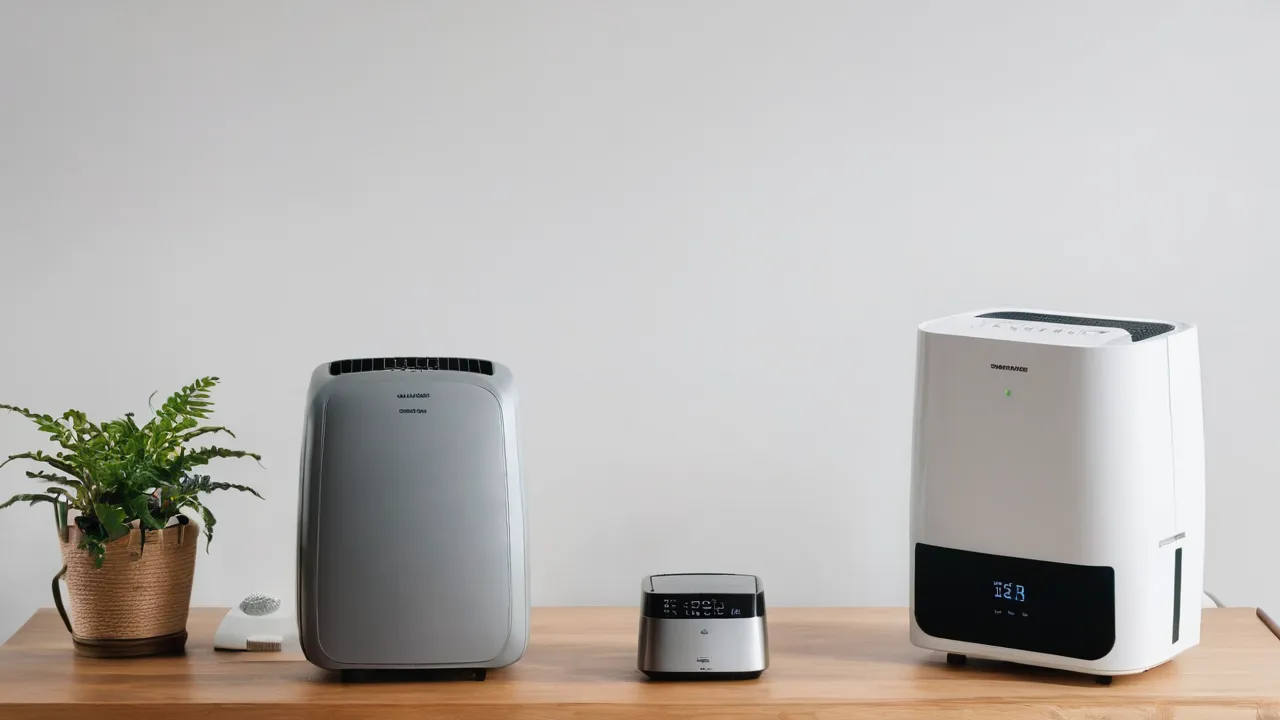
A whole house vs portable dehumidifier choice is about coverage versus flexibility. A whole-house unit ties into the home’s ductwork, treats all rooms, drains automatically, and needs professional installation. A portable unit sits in one room, costs less, and can be moved, but you service it, and it only treats nearby air.
How Each Works
A portable dehumidifier draws room air across a cold coil, collects moisture in a bucket or drains it by hose or pump, and returns drier air. It handles the air in its room and spills over into open areas nearby.
A whole-house dehumidifier is installed in a basement, crawl space, attic, or utility room and connects to the supply and return ducts of the HVAC system, or runs as a standalone ducted unit. It treats air as it circulates through the home, so humidity is controlled everywhere the system reaches. It drains to a floor drain, sump, or a condensate pump.
Coverage and Comfort
Portable units are strongest in a single damp room such as a basement or laundry. They do little for rooms on the other side of closed doors. A whole-house system keeps the entire home within a target humidity range, which helps in humid climates, in tightly sealed homes, and in homes with several problem areas. It also reduces musty odors that drift through the house.
Capacity matters in both. Capacity is stated in pints per day under standard conditions, and your actual removal depends on temperature and humidity. For portables, size to the room and its dampness, and give margin. For whole-house units, size to the home’s volume and the climate, and have a professional calculate the load. Our dehumidifier guides explain capacity ratings.
Target humidity is the goal behind every choice. The EPA suggests keeping indoor relative humidity between about 30 and 50 percent, and below 60 percent at the very least, to limit mold and dust mites. A small hygrometer costs little, and a week of readings in each room tells you whether the problem is one damp room or the whole house. That one piece of data often decides the portable versus whole-house question before any contractor visits.
Install and Upkeep
Portable
Placement is simple, and you plug it in. You then empty the bucket or run a hose, and clean the filter. Several units in several rooms multiply the chores. Many owners use a hose or a pump to avoid emptying.
Whole house
Installation needs a professional to connect ducts, power, and drains. Once running, upkeep is mostly filter changes and a periodic check of the drain and coil, often with the HVAC system’s yearly service. A whole-house unit with a humidistat runs automatically, which many owners prefer. Before you sign, confirm there is clearance in the utility space for the unit and service access, a clear path for the condensate drain, and a circuit that matches the nameplate. A drain line that runs uphill or ends in a clogged trap is the most common installation headache, so ask how the installer plans to handle it.
Cost and Lifespan
Whole-house units have a higher purchase and installation cost. They also have a single compressor and long service life when maintained, although makers rarely state a lifespan, so check the warranty on the compressor and the controls. Portables cost much less per unit, but the total cost grows if you need several, and they are often replaced sooner because of heavy use and handling. Our guide to how long a dehumidifier lasts covers failure signs.
Compare the cost with the savings in comfort and in protecting your home. A whole-house unit is an investment tied to the house, and it adds value for a buyer in a humid area. If you may move soon, a portable avoids the install cost.
Noise, Heat, and Efficiency
Portables make fan and compressor noise in the room where you live or sleep. Whole-house units sit in a utility space and send quiet dry air through ducts, so noise is rarely a problem in living areas. Both give off some heat, and whole-house units release it into the system or the mechanical room. Efficiency depends on design, and stated energy factor figures are useful to compare units of similar capacity.
Comparison at a Glance
| Factor | Portable | Whole house |
|---|---|---|
| Coverage | One room | Entire home |
| Install | None | Professional |
| Upkeep | Frequent | Low |
| Noise in living area | Present | Low |
| Upfront cost | Low | High |
| Flexibility | Moves with you | Fixed |
See also the home appliances hub and the How We Review page.
Sizing and Planning
Sizing a portable unit is a matter of room area and dampness. Describe the room honestly: slightly damp with a musty smell, very damp with wet spots, or wet with visible water seeping. Makers publish pint ratings and suggest square footage for each dampness level. Choose a capacity at least one step above the minimum for a damp space, since a unit that is too small runs constantly and wears out sooner. For a basement with an open floor plan, use the total area.
Sizing a whole-house unit is more involved. The load depends on home volume, climate, air leakage, and occupants. Installers use a load calculation, and some units are rated for a stated square footage in a given climate. Ask the installer for a written estimate with the capacity, the duct layout, the drain plan, and the control. Ask where the unit will sit, how the drain will run, and how the condensate will leave the home. Also ask how the unit interacts with the air conditioner, since both remove moisture, and a properly set humidistat avoids wasted energy.
Where Portables Still Make Sense in a Whole-House Home
Even a home with a whole-house system may use a portable in a spot that the ducts do not reach, such as a finished basement bedroom or a bathroom with heavy steam. A portable can also serve as a backup if the main unit is being serviced. In that way the two types complement each other, rather than compete.
Questions to Ask a Contractor
- What size do you recommend, and what load calculation supports it?
- Where will the unit be installed, and how will it be serviced?
- How will condensate drain, and what happens if the drain clogs?
- What warranty applies to the compressor and the controls?
- Will the system need a dedicated circuit, and who will wire it?
- How will humidity be controlled and monitored?
A clear answer to each question is a good sign. Vague answers suggest that you should get a second quote.
Electrical and Water Safety
Both types use electricity, and a whole-house unit also connects to ducts and drains. Confirm the circuit and outlet rating before use, and hire a licensed HVAC professional or electrician for permanent installation and any wiring. Shut off power before servicing, route the drain safely, and follow the manual. Water in the wrong place causes mold and damage, so check drain lines and pans regularly.
Verdict by Situation
- One damp basement room: portable with a hose drain.
- Whole home humid all summer, ducted HVAC: whole-house unit.
- Rental home: portable.
- Several problem rooms in a house you plan to keep: whole-house.
- Tight budget: portable now, and revisit if humidity persists.
- Crawl space moisture: fix vapor and drainage first, then choose equipment.
Consider the long view before signing a contract. A portable unit is easy to try, and if humidity improves enough in the damp room, you may never need more. If you find yourself running three or four portables, emptying buckets, and still smelling dampness in other rooms, that is the moment to price a whole-house system. Keep notes of your hygrometer readings through a full humid season, since they show whether the problem is a single room or the whole house, and they give any contractor useful data to size a system correctly.
Frequently Asked Questions
Is a whole-house dehumidifier worth it?
It can be if humidity is a problem across the home, you have ducted HVAC, and you plan to stay for years. It gives steady control and little daily work. If only one room is damp, or you may move soon, a portable with a hose drain usually costs less and does the job.
Can I use a portable dehumidifier to dry the whole house?
Not well. A portable treats the air near it and does little for rooms behind closed doors. Several units can work, but you multiply the filter cleaning and drain chores. If you need three or four portables, price a whole-house system and compare.
Where is a whole-house dehumidifier installed?
Usually in a basement, crawl space, attic, or utility room, connected to the home’s ducts and a drain. Placement depends on the model and the manual. A licensed HVAC professional should handle ductwork, power, and condensate routing, and confirm that the circuit matches the nameplate.
How long does a dehumidifier last?
Makers rarely promise a lifespan, and it depends on use, maintenance, and conditions. Portables that run constantly in cool, damp rooms tend to wear sooner. Compare the warranty on the compressor and controls, keep filters and coils clean, and check drain lines each season.
Final Thoughts: Coverage Costs, Flexibility Costs Time
Whole-house units give steady humidity with little effort and a higher price. Portables are cheap and flexible but need chores and cover less. Choose by how much of your home needs help and how long you will stay.
Related buying guides
- Basement Humidity Levels: Target Range and Dehumidifier Fit
- Compressor vs Desiccant Dehumidifiers: Which Fits
- Crawl Space vs Basement Dehumidifiers: What Changes
About the author

The BuyOnceChoice Editorial Team researches durable products worth buying once. Our guides compare published specifications, warranty terms, expert review consensus, and verified owner feedback. We do not conduct our own product trials. See How We Review and our Editorial Policy for our standards.