Compressor vs Desiccant Dehumidifiers: Which Fits
Compare a compressor vs desiccant dehumidifier on cold-garage performance, energy use, noise, and capacity, with a clear verdict for each room.
 By BuyOnceChoice Editorial Team
Updated November 16, 2026
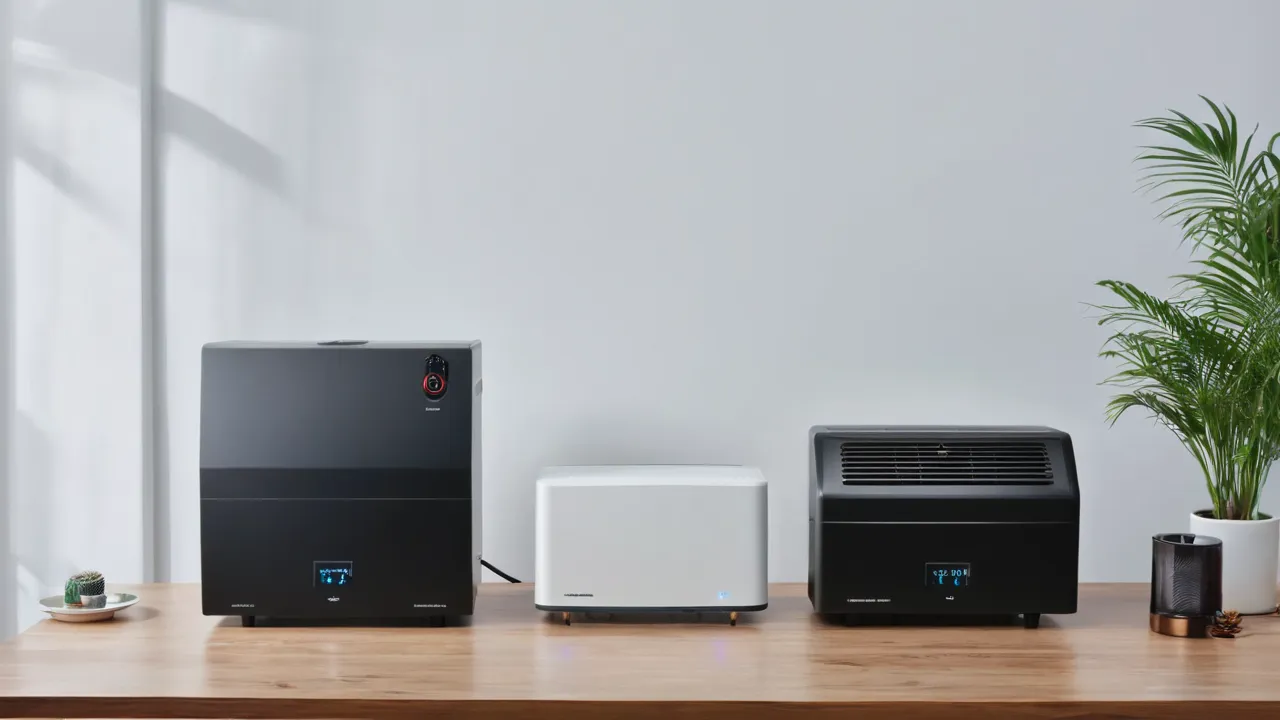
Compressor vs desiccant dehumidifier: choose a compressor model for warm, humid spaces such as most basements in summer, because it removes more water per watt of electricity. Choose a desiccant model for cool spaces, such as unheated garages, crawl spaces, and basements in cold weather, where compressor units lose efficiency and may ice up. Many homes need only a compressor unit, and cold spaces benefit from desiccant.
How Each Type Works
A compressor dehumidifier works like a small refrigerator. A fan draws humid air over cold coils, water condenses on the coils and drips into a bucket or drain, and the now drier air passes over a warm coil before returning to the room. It relies on a refrigerant cycle, so it has a compressor.
A desiccant dehumidifier uses a material that absorbs moisture, usually a wheel coated with a desiccant. Room air passes through part of the wheel and loses moisture. A heater dries the wheel by passing warm air through another part, and that moist air is condensed and drained. The wheel keeps rotating, so the process is continuous. It does not rely on cold coils, so it works at low temperatures.
Both machines remove water. The difference is in the temperature range where they work best, the energy they use, the heat they release, the weight, and the noise.
Temperature Range: The Deciding Factor
Compressor units work well in warm rooms, where the coils can cool the air enough to condense moisture. As the room cools, the coils can frost, and the unit must stop and defrost, which reduces output. Many compressor models state a minimum operating temperature, often in the range of the low 40s to mid 60s degrees F, depending on the model, and some include an automatic defrost. Check the manual for the stated range.
Desiccant units keep working at low temperatures, since they do not freeze coils, and many state operating ranges down to low temperatures. That makes them useful for unheated garages, cold basements, crawl spaces, and winter storage. In warm rooms, they use more energy than compressor units and add heat to the room.
If your space stays above roughly 65 degrees F most of the year, a compressor model is usually the better pick. If it often drops below that, look at desiccant or at compressor models designed for low temperature operation.
Energy Use and Running Cost
| Factor | Compressor | Desiccant |
|---|---|---|
| Efficiency in warm, humid rooms | High | Lower |
| Efficiency in cold rooms | Drops, may frost | Holds up |
| Heat output | Slight warming | Notable warming |
| Typical use | Basements, living spaces | Garages, crawl spaces, cold storage |
| Weight | Heavier | Often lighter |
| Noise | Compressor hum | Fan noise, often steady |
| Cost | Generally lower | Often higher |
Efficiency for dehumidifiers is shown as the energy factor, in liters per kilowatt-hour, on ENERGY STAR labeled models. A higher number means more water removed per unit of electricity. Compare energy factor and capacity at the same rating conditions. Capacity is stated in pints per day, and the rating conditions have changed over time, so check the conditions on the label before comparing two models.
Capacity and Sizing
Match capacity to room size and dampness. A damp basement needs more capacity than a slightly humid bedroom. Manufacturer charts suggest capacities by square footage and condition, and many sellers list a recommended room size. Use the chart and favor a unit with a drain hose or pump option for large rooms, since a bucket may fill quickly. If you are between sizes, choose the larger one for a damp space, since a bigger unit cycles less.
Do not forget that a desiccant unit’s capacity changes with temperature. Check the capacity at the temperatures where you will use it.
Noise, Size, and Convenience
Compressor units hum and may click on and off, and desiccant units run a steady fan. Check the stated decibel levels, and place the unit away from bedrooms if noise matters. Desiccant units tend to be lighter and easier to move, and compressor units are heavier because of the compressor. Both come with a bucket, and many allow continuous drainage through a hose, and some include a built-in pump. Our best dehumidifier for basement with pump roundup covers models for continuous draining.
Safety and Maintenance
- Place the unit on a level surface with clearance on all sides, as the manual states, and keep it away from walls and curtains.
- Use a grounded outlet, avoid extension cords, and unplug before cleaning.
- Empty the bucket regularly and clean it, since standing water breeds bacteria and mold. Do not drink the water.
- Clean the air filter on schedule, and clean coils as the manual says.
- Never block the air outlet, and never place the unit in a flooded area while plugged in.
- For electrical concerns, contact a licensed electrician, and for repairs, use a qualified technician.
Our dehumidifier guides explain sizing and features in more detail. Our How We Review page explains how we evaluate products using research and specifications rather than claims of our own trials.
Heat, Humidity, and Where the Water Goes
Every dehumidifier that runs in a closed space releases heat. A compressor model adds a modest amount of warmth from the compressor and fan. A desiccant model adds more, because it heats air to regenerate the wheel, and that warm, moist exhaust may be vented back into the room as part of the cycle, or condensed and drained. In a hot summer room that extra warmth is unwelcome, and in a cold garage it is helpful. Do not expect any dehumidifier to cool a room. If you run one in a small, closed space, check that the room temperature does not climb uncomfortably.
The water collected goes to a bucket or a drain. A gravity drain hose works when the unit sits above a floor drain or a sink. A built-in pump lifts water up and out through a small hose to a sink or window. Check hose length and lift height in the manual, and secure the hose so it cannot kink or pull loose. A hose that comes loose can flood a basement, so inspect it periodically and consider a leak alarm.
Reading the Specifications
Look for the capacity in pints per day and the conditions behind it, the energy factor, the stated operating temperature and humidity range, the noise level, the drain options, and the humidistat range. Check whether the unit has an auto-restart feature after a power outage, a bucket-full shutoff, a filter reminder, and a defrost function. Also check the cord length and the handle design, since moving the unit is part of using it. A model with clear published specifications is easier to compare than one that hides them. If the operating range is not published, assume it is limited and ask the maker.
Mistakes to Avoid
- Putting a compressor unit in a cold space and expecting full output.
- Choosing a desiccant unit for a warm basement where a compressor unit would cost less to run.
- Setting the humidistat too low.
- Forgetting to drain or empty the bucket.
- Buying a small unit for a large damp space.
- Blocking the intake with boxes or furniture.
- Ignoring leaks and moisture sources that the machine cannot fix.
Which Should You Choose?
1. Warm basement, living space, or humid climate: compressor. 2. Unheated garage, shed, or workshop: desiccant, or a low temperature compressor model. 3. Crawl space in cold weather: desiccant, subject to the maker’s guidance. 4. Small room where heat is welcome: desiccant. 5. Tight budget: compressor, since the price is generally lower. 6. Quiet bedroom use: compare the stated decibel levels of specific models. 7. Occasional use in a cool room: check the minimum operating temperature of a compressor model before ruling it out.
Worked Example
A homeowner has a basement that stays near 70 degrees F in summer, and humidity climbs to about 65 percent. A compressor unit sized for the basement handles it, and she runs it with a drain hose. Another owner has an unheated garage workshop where tools rust in winter. The temperature falls to the 40s, so a compressor unit would frost, and he chooses a desiccant model rated for low temperatures.
Frequently Asked Questions
Which is better, a compressor or a desiccant dehumidifier?
Neither is better for every space. Compressor models are more efficient in warm, humid rooms, and desiccant models work in cold spaces where compressor models lose output. Choose by the temperature range of the space, and check the maker’s stated operating range.
Do desiccant dehumidifiers use more electricity?
Often yes in warm rooms, since they use a heater to dry the wheel. In cold rooms they can be more effective than a compressor model, which struggles or ices up. Compare energy factor and capacity at the temperatures you will use, since ratings change with conditions.
Can a compressor dehumidifier work in a cold basement?
Only down to its stated minimum operating temperature. Below that, coils may frost and output drops. Some models have auto defrost and low temperature ratings. Check the manual, or choose a desiccant model for very cold spaces.
What humidity should I set my dehumidifier to?
About 45 to 50 percent is a common target, with levels below 60 percent at all times. Use a separate hygrometer to confirm the reading, and avoid setting it to the lowest value, which wastes energy and can over-dry the air.
Final Thoughts: Choose by Temperature
Compressor dehumidifiers fit warm, humid spaces and are generally cheaper to run. Desiccant models fit cold spaces and run steadily at low temperatures. Check the operating range, size the unit to the room, and keep the bucket and filters clean.
Related buying guides
- Crawl Space vs Basement Dehumidifiers: What Changes
- Dehumidifier Pint Ratings Explained: Old vs New Standard
- Dehumidifier with Pump vs Gravity Drain: Which to Choose
About the author

The BuyOnceChoice Editorial Team researches durable products worth buying once. Our guides compare published specifications, warranty terms, expert review consensus, and verified owner feedback. We do not conduct our own product trials. See How We Review and our Editorial Policy for our standards.