Wide Feet and Work Boots: Width Sizing Explained
Width letters, last shape and toe cap volume all change how a boot fits a broad foot. This guide shows how to measure, read the labels and avoid the wrong fix.
 By BuyOnceChoice Editorial Team
Updated November 16, 2026
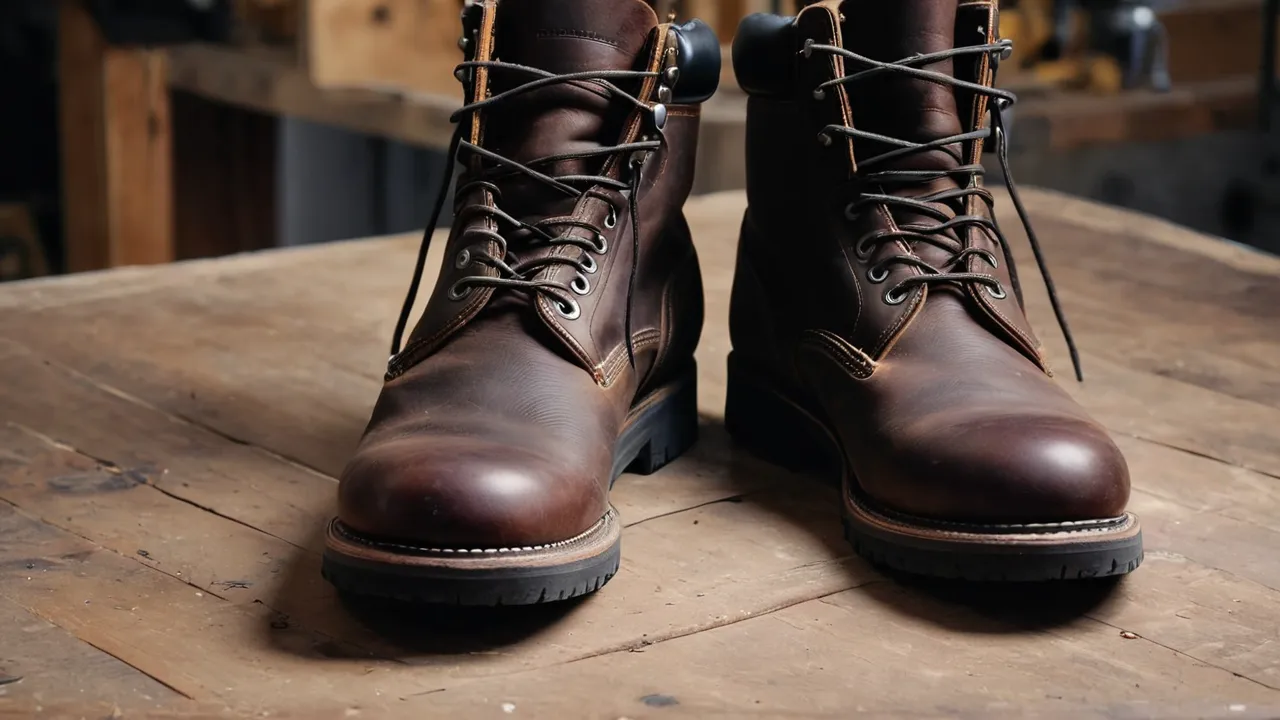
For work boots for wide feet, look for a boot offered in a wide width (usually marked E or EE for men), built on a last with a roomy forefoot, and size it on the widest part of your foot, not by simply adding length. Going up a full size can fix a tight toe box but often leaves the heel loose, so use length only when a wide width is unavailable. This guide explains the labels, a measuring method you can follow at home and the point where a different brand beats any adjustment.
What width letters mean
Boot makers use letters to describe the width of a size. In men’s footwear, D is generally treated as the standard medium width, E and EE as wide and extra wide, and EEE or 4E as extra wide beyond that. Women’s sizing starts from B as the medium, with D and wider used for wide fits. The scale is not identical across brands, and a wide boot from one maker can feel like a medium from another, so treat the letter as a starting point.
Width also scales with length. A size 12 EE is wider than a size 8 EE in absolute terms, so a person with a long, narrow foot and a person with a short, broad foot may both need a wide, but in very different boots. The width letter alone does not describe the shape of the forefoot, instep height or heel width.
Measure your foot before you shop
A method you can follow at home
- Stand on a sheet of paper with your usual work socks on and your weight evenly distributed.
- Trace around each foot, holding the pen upright, and repeat for both feet.
- Measure the longest line from heel to longest toe, and the widest line across the ball of the foot.
- Measure in the late afternoon, since feet swell during the day.
- Use the larger foot as your fitting reference, since most people have a slight difference.
Compare your measurements with the manufacturer’s size chart, which usually lists length and width in inches. Some brands publish a width table by size, and a few offer a printable gauge. If a chart is missing, contact the seller and ask. A boot is a durable purchase, and a few minutes of measurement avoid a return shipment.
Fit checks when the boots arrive
- Toe room: you should be able to move your toes freely without touching the cap, with about a thumb’s width in front of the longest toe.
- Ball of the foot: the widest part of your foot should sit at the widest part of the boot, with no pressure on the sides.
- Heel: when you walk up a ramp, the heel should lift only slightly.
- Instep: laces should snug without crushing the top of the foot.
- Time: wear the boots indoors for an hour with work socks before committing.
A worked example
Suppose your traced right foot measures a certain length and a broad width across the ball, and the maker’s chart lists your length at a size 10 with a medium width that is narrower than your trace. Move across the width columns until the listed width at the ball is at or just above your measurement, and note the letter. That letter, at your length, is the boot to try first.
If the chart lists only one width, compare it with your trace directly. A boot that is narrower than your foot at the ball will pinch, even in a larger size. If the widest listed option still falls short, look at another brand or last instead of buying length.
When two sizes bracket your length, choose the shorter one with the wider width if your heel is narrow, and the longer one with the same width if your toes touch the cap on a ramp. Always confirm with the heel lift and toe room checks above, and keep the return window open until you have worn the boots indoors.
Last shape matters as much as width
The last is the form around which the boot is built. It determines the forefoot volume, the heel pocket, the instep height and the toe shape. Two boots labeled EE can fit very differently if one uses a tapered last and the other uses a broad, round last. If your forefoot is wide but your heel is narrow, look for boots known for a roomy toe box with a snug heel pocket. If your whole foot is broad, choose a boot with a straight last and a generous toe box.
Safety toe caps add another variable. A cap defines the shape of the front of the boot and cannot stretch. A wide foot paired with a narrow cap leads to pinching at the sides. Some manufacturers use wider cap shapes or oval profiles, and composite caps often have a slightly higher profile. Ask which cap shape is used and read the rating label, since a good fit never replaces the required protection. For the cap choice itself, see our work boots guides.
When to go up a size instead
Going up in length is a fallback, not a first choice. A longer boot gives you more room across the forefoot because larger sizes are built slightly wider, but the heel pocket and instep length grow too. That can cause heel slip, a flexing point that falls in the wrong place and a toe that bends under on stairs.
Use the longer size when no wide width exists in the model you like, and manage the extra volume with a thicker sock, a snug insole and heel lock lacing. If the heel still lifts, the boot is wrong for your foot. Switching to a brand that offers true wide widths is better than living with a loose boot.
Decision rules by foot shape
- Broad forefoot, normal heel: choose a wide width on a roomy last, and keep your usual length.
- Broad overall, thick instep: look for straight lasts, adjustable closures and padding that compresses, not stiff leather.
- Bunions or hammer toes: prioritize toe box height and a soft toe if no hazard requires protection, and see a clinician for persistent pain.
- Swollen feet at day’s end: size for afternoon fit and avoid very tight collars.
- Narrow heel with wide forefoot: use heel lock lacing and consider a boot with a softer heel counter.
If you wear orthotics or aftermarket insoles, bring them to the fitting. They fill volume that a wide width may already provide, so you may need a larger boot volume than a wide measurement suggests. If your employer requires specific safety markings, confirm them before you choose a wide model. We explain how we evaluate fit claims in how we review, and the clothing and footwear section lists more fit guides.
Common mistakes with wide fits
The first mistake is buying by length only. Many wide footed buyers go up a size, feel relief across the forefoot and then fight heel slip for weeks. The second is trusting the width letter across brands. A maker that offers a single wide width may run narrower than another maker’s medium, so compare the actual width measurements in inches whenever they are published.
The third mistake is stretching a boot that cannot stretch. Leather uppers give a little over time, particularly across the ball of the foot, but rigid toe caps, stiff counters and synthetic linings do not. A cobbler can widen certain leather areas with a stretcher, but that is a repair for leather panels, not for the structure of the boot. Plan for a fit that works on arrival, with only small adjustments needed.
The fourth mistake is ignoring socks. A thick wool work sock can add noticeable volume, and a thin liner sock can remove it. If you fit boots with the socks you will wear, you remove the guesswork.
Using lacing and insoles to fine tune
Even a well chosen wide boot may need small adjustments. Skip an eyelet pair across the widest part of the foot to relieve pressure, or use a window lacing pattern to open a pressure point. A removable insole lets you compare fits, and a thinner insole can free room above the foot in a boot with a low toe box. Keep in mind that insole changes can also affect heel hold and the boot’s rated performance, so check the manufacturer’s guidance when your boot has safety ratings.
Frequently Asked Questions
What does EE mean on work boots?
EE is extra wide for men’s sizing, one step wider than E, with D treated as medium. Width scales differ between brands, so treat the letter as a starting point and compare the maker’s width measurements in inches when they are published.
Should I size up if my work boots are too narrow?
Only if no wide width exists. A longer size adds forefoot room but also lengthens the heel pocket and instep, which can cause heel slip. A wide width on a roomy last is the better fix. Use a thicker sock and heel lock lacing if you must size up.
Can wide steel toe boots be stretched?
The leather around the toe cap can sometimes be widened a little by a cobbler, but the cap cannot stretch. If the cap pinches the sides of your foot, choose a boot with a wider cap shape or a different last, and keep the required safety rating.
How do I measure my foot width at home?
Stand on paper in your work socks, late in the day, with weight evenly distributed. Trace each foot, then measure the widest line across the ball and the longest line from heel to toe. Compare with the maker’s chart and use the larger foot.
Final Thoughts
A wide foot needs width, last shape and toe cap room working together. Measure both feet, read the width letter as a starting point, and size up in length only when no true wide option exists. If a boot pinches after an hour of indoor wear, return it and try another last. Fit is the one feature that decides whether you wear the boot for a decade or leave it in the closet.
Related buying guides
- Women’s vs Men’s Work Boots: Sizing and Last Differences
- Work Boot Buying Mistakes That Cost You Twice
- Work Boot Fitting Checklist: 12 Checks Before You Buy
About the author

The BuyOnceChoice Editorial Team researches durable products worth buying once. Our guides compare published specifications, warranty terms, expert review consensus, and verified owner feedback. We do not conduct our own product trials. See How We Review and our Editorial Policy for our standards.