Rubber Boots vs Leather Work Boots for Wet Jobs
Rubber sheds water, chemicals and mud, while leather breathes and can be rebuilt. Compare both for wet job sites, washdown work and daily wear.
 By BuyOnceChoice Editorial Team
Updated November 16, 2026
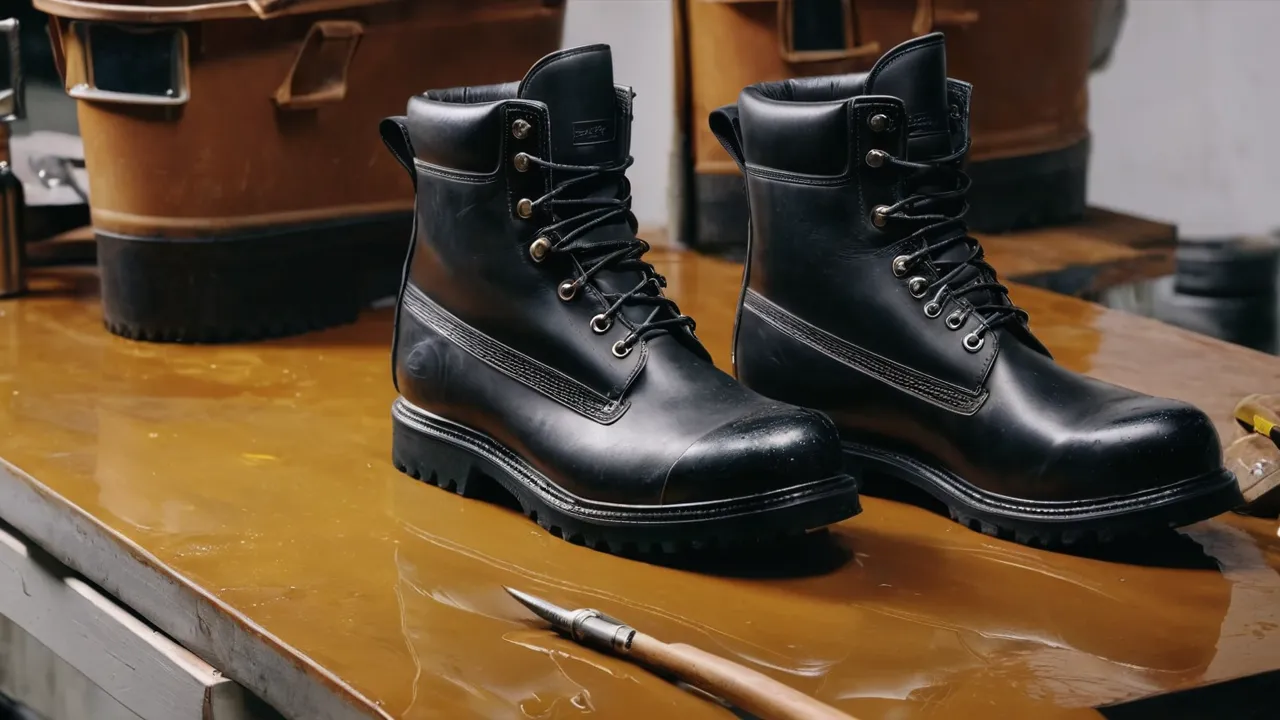
For wet jobs, rubber vs leather work boots comes down to exposure. Choose rubber boots for standing water, mud, washdown and chemical splash, where a one piece waterproof shell beats any stitched seam. Choose leather boots for work that is damp but not soaking, where breathability, support and repair matter. Many wet trades keep both, using rubber for the worst days and leather for the rest.
What each boot is good at
Rubber boots are made from molded rubber or similar compounds. With few or no seams below the shaft, they block water completely up to the top edge. They are easy to rinse and sanitize, which is why they dominate farming, dairy, food processing and washdown work.
Leather boots are stitched from hides, with a sole attached by welt, cement or stitching. They breathe, mold to the foot and support the ankle better, but they absorb water unless treated, and they dry slowly. Our waterproof work boots guide explains membranes and treatments that make leather more water tolerant.
Standing water, mud and washdown
Rubber wins in deep mud and standing water. It does not soak up water, and mud rinses off. A tall rubber boot protects the lower leg from splash. For daily washdown, rubber can be hosed and sanitized between shifts.
Leather struggles with long exposure. Even treated leather darkens, stiffens and can fail at seams when soaked repeatedly. If you work in wet conditions and choose leather, plan for a membrane, careful drying and rotation.
Shaft height, fit and getting in and out
Rubber boots come in ankle, mid calf and knee heights. A taller shaft keeps splash and water out, and a snug shaft keeps it from slipping down. A shaft that is too wide lets water in over the top and rubs the calf. Choose the height that matches your water depth, and check calf fit. Rubber boots are often pull on, and a tight fit is hard to pull on when wet while a loose fit blisters. Try them with the socks you will wear, and walk up and down stairs to check heel lift.
Chemicals, oils and cleaning
Rubber and synthetic compounds resist many chemicals, oils and cleaners, though not all. Different rubber types resist different substances, and some chemicals degrade rubber. Check the maker’s chemical resistance information for your site, and consult your safety officer. Leather absorbs chemicals and oils, which can weaken it, and cleaning chemicals can strip finishes.
For food and dairy work, rubber is easy to sanitize. For oil heavy shops, oil resistant outsoles matter more than the upper material. This guide is general information, and your employer or safety officer can tell you what applies to your site.
Comfort, breathability and support
Rubber does not breathe, so feet sweat. Moisture wicking socks and a spare pair help. Rubber boots are often loose and flexible, with less ankle support and less cushioning, though insulated and insoled versions exist. Leather boots mold to the foot and offer support and structure, especially with a shank and a lace closure.
Weight varies. Tall rubber boots can be heavy, and the stiff shaft can rub the calf. Check fit at the shaft and the heel, since a loose rubber boot can cause blisters.
Socks and insulation for cold and wet
Rubber traps heat and moisture, so socks matter. Moisture wicking merino or synthetic socks keep the skin drier and warmer. Cotton holds sweat and cools the foot. In cold water, a thicker sock adds warmth, but it needs room. Change socks at breaks when you can, and keep a spare pair in a dry bag.
Insulated rubber boots with neoprene or foam linings are common in cold wet work. They keep the foot warm even when the shell is wet, at the cost of weight and bulk. Check temperature ratings with the usual caution, since conditions and activity vary. Remove removable liners at night and dry them at room temperature. For winter specific guidance, see our winter boots guides.
Safety, repair and care
- Rubber boots with safety toes and puncture plates exist, so check the label for the markings you need.
- Leather boots with safety markings are more common in the trades.
- Rubber cannot be resoled the way a welted boot can, and a cut or split usually ends the boot.
- Leather can be conditioned, repaired and resoled by a cobbler.
- Rubber needs rinsing and drying, and protection from sun and heat.
- Leather needs conditioning and slow drying.
Rubber can cut, crack or split, especially at flex points and in cold. Small cuts can sometimes be repaired with rubber cement or patch kits, but a split at a flex point or seam often ends the boot’s waterproof life. Keep rubber boots out of direct sun and heat when not in use, since UV and heat age rubber. Clean off oil, fuel and chemicals promptly, and inspect the boots regularly for cracks.
Even rubber boots need to dry inside. Open them, remove liners and insoles and let them air out at room temperature. Moisture left inside breeds odor and breaks down linings. Rotating two pairs gives each time to dry. Never dry rubber near a heater, which can warp it. The clothing and footwear section has related care guides.
Worked examples by trade
A dairy worker hoses floors twice a shift and handles cleaning chemicals. Rubber is the clear choice: it rinses and sanitizes easily, and the one piece shell keeps water out. The worker should confirm chemical resistance with the maker and the employer, and keep two pairs so one dries.
A utility crew digs trenches after rain, then walks on pavement and climbs in and out of a truck. Mud is the main enemy, but support on ladders and uneven ground matters too. A leather boot with a membrane, plus a rubber overboot or a separate rubber pair for the worst mud, covers both needs.
A landscaper works on lawns in morning dew and light rain. Leather with a waterproof treatment is usually enough, with a spare pair of socks for soaked days. Rubber is overkill and runs hot in summer.
A commercial fisherman or irrigation worker stands in water for hours. Tall rubber is the standard, with insulation in cold climates. For both, replace boots at the first split, since a leak in a wet job is not a small problem.
In each case, ask how long your feet are actually in water, and write down the answer before you shop, since it settles most of the decision. Minutes of damp ground favor leather. Hours of standing water favor rubber.
Comparison at a glance
| Factor | Rubber | Leather |
|---|---|---|
| Standing water | Excellent | Poor unless membrane |
| Mud | Easy to rinse | Needs cleaning and care |
| Chemicals and washdown | Often suited, check resistance | Often unsuited |
| Breathability | Low | Higher |
| Support | Variable | Higher with lace up and shank |
| Repair | Limited | Resolable when welted |
When to use both
A common approach is a rubber boot for washdown, flooding and mud, and a leather boot for the rest. Keep both ready, and change at the right moment. A leather boot worn in standing water for hours is a short term loss, and a rubber boot worn on a hot dry day is uncomfortable. Two tools, each used correctly, tend to last longer than one boot stretched across every job. Check local rules too, since some workplaces specify rubber boots for certain tasks.
Decision rules
- Dairy, food processing, washdown, hog and poultry barns: rubber.
- Irrigation, drainage, deep mud: rubber.
- Construction in damp weather: leather with a membrane or a treated boot.
- Mixed wet and dry days: leather boots for the day and rubber for the worst conditions.
- Chemical exposure: confirm resistance with the maker and your safety officer.
See how we review for how we judge such claims.
Frequently Asked Questions
Are rubber boots better than leather for wet work?
For standing water, mud and washdown, yes, since a molded shell blocks water and rinses clean. Leather is better for support, breathability and repair when conditions are damp rather than soaking. Many wet trades keep both and choose by the day’s exposure.
Can leather work boots be fully waterproof?
Treated leather with a membrane can handle damp conditions, but long soaking still stresses leather and seams. For standing water or constant washdown, rubber is more reliable. Plan for conditioning, careful drying and rotation if you choose leather, and expect to replace the membrane or boot sooner under heavy exposure.
Do rubber work boots have safety toes?
Some do, including models with puncture plates, but not all. Check the marking inside the boot against the standard your employer requires. Do not assume a rubber boot is rated just because it looks heavy duty, and ask the maker if the marking is missing.
Are rubber boots bad for your feet?
They are not bad by themselves, but they do not breathe, so feet sweat and cool when wet. Use moisture wicking socks, carry spares, dry the boots between shifts, and check the fit at the heel and shaft. See a clinician for ongoing foot pain.
Final Thoughts
Rubber is the better tool for water, mud, washdown and many chemicals, and leather is the better tool for support, breathability and repair. If you work wet every day, use rubber and keep a leather pair for drier days. Match the boot to the exposure, and follow your site’s rules.
Related buying guides
- Safety Toe vs Soft Toe Boots: When Each One Is Enough
- Side Zipper vs Lace Work Boots: Durability Trade Offs
- Slip Resistant Work Boots: SR vs SRO Ratings Explained
About the author

The BuyOnceChoice Editorial Team researches durable products worth buying once. Our guides compare published specifications, warranty terms, expert review consensus, and verified owner feedback. We do not conduct our own product trials. See How We Review and our Editorial Policy for our standards.