Slip Resistant Work Boots: SR vs SRO Ratings Explained
Slip ratings describe what an outsole can do when new, on a specific surface. Learn how to read the claims and how wear changes everything.
 By BuyOnceChoice Editorial Team
Updated November 16, 2026
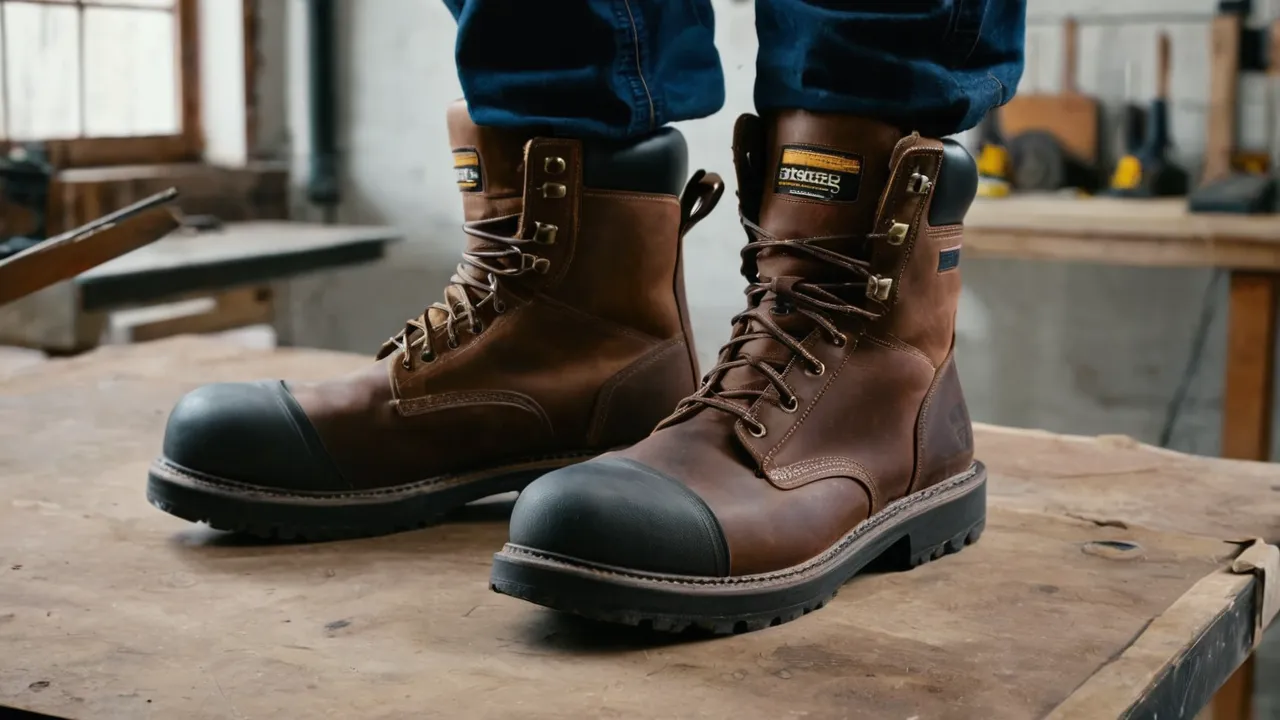
Slip resistant work boot ratings tell you how an outsole performed on a particular surface under specific conditions, so a boot rated for wet tile may still skate on oily steel or worn ramps. SR generally means slip resistant, and SRO is a label some brands use for slip and oil resistant, but neither is one universal badge. Read the claim for the surface you actually walk on, then replace or resole the boot when the tread wears down, because grip fades long before the upper fails.
Why one badge does not cover every floor
Surfaces differ in friction, contamination and texture. A dry, rough concrete floor, a wet kitchen tile floor, a floor with a thin film of oil and a muddy slope all act differently on the same outsole. A rubber compound that grips well on wet tile may be too hard for cold steel decking, and a deep lug designed for mud can feel unstable on smooth polished floors.
This is why a single slip resistant label cannot guarantee traction everywhere. The claim describes a rated condition, not your workplace. Our site does not run its own product trials, so we rely on published standards and maker statements, and we advise buyers to read the surface named in the claim before they trust it.
SR, SRO and the other labels you will see
Terms such as SR, SRO, slip resistant, oil resistant and non marking appear on many boots, but they are not always tied to a single universal standard. Some are manufacturer designations, some reference a published measurement method, and some come from European standards that use letter codes for surface types.
- SR: generally means the outsole is designed for improved grip on a stated surface, often wet tile or a similar surface. Check which method the maker names.
- SRO: not one universal standard. Some brands use it to signal slip resistance plus oil resistance. Ask the maker what the letters reference and what surfaces the claim covers.
- Oil resistant: describes how the sole material holds up when exposed to oil, not how much grip it has on oily floors.
- Non marking: refers to the outsole not leaving scuffs, which has nothing to do with traction.
- European codes SRA, SRB and SRC: European labels tied to wet ceramic tile, oily steel or both. Newer editions of that European standard changed the marking, so read the code against the edition on the label.
In the United States, ASTM publishes a measurement method for slip resistance and a separate document that sets minimum requirements. Ask whether the claim references one of them. Electrical or static markings are separate protections that do not affect traction.
When the product page does not name the method or surface, ask the manufacturer. A reputable maker will describe the condition it rates for. If it cannot, treat the claim as marketing rather than as a specification.
What really shapes traction
Outsole compound
Softer rubber compounds usually grip better on smooth wet surfaces but wear faster. Harder compounds last longer but may feel slick on tile. Nitrile rubber is commonly used for oil resistance and heat tolerance, but the exact formulation varies.
Tread pattern
A pattern with channels and sipes moves liquid away from the contact patch. Deep, widely spaced lugs bite into soft ground but give less contact on smooth floors. Smooth, flat soles can slip when worn, so check the tread depth on a new pair.
Heel shape
A heel with a defined edge helps with stairs and ladders, and a beveled heel helps a smooth transition on flat floors. Some wedge soles give more contact area but behave differently on ladder rungs.
Surface by surface notes
On wet tile, contact area and compound softness matter most, so a flat, finely siped sole generally behaves better than a deep lugged one. On oily concrete, a nitrile based compound with channels tends to grip better, but all contaminated floors remain a hazard and cleaning discipline matters. On ladders and stairs, a defined heel and a clean, flexible sole help the boot seat on a rung. On gravel and soft ground, deeper lugs add bite but trade off stability on smooth floors.
Snow and ice are a different category. Most work boot outsoles are not designed for ice, and a slip claim for wet floors does not carry over. Some winter boots use special compounds or traction elements, and some people add removable traction devices. Follow the manufacturer’s manual for any add on.
Wear erases grip
The most important fact about slip resistance is that it is temporary. As the tread wears, the channels get shallower, the pattern flattens and the compound hardens with age and heat. A boot that grips well on day one may be a hazard after months of daily use.
Check the outsole regularly. Replace or resole the boots when the pattern is smooth across the ball and heel, when channels are filled with embedded debris or when the sole is cracking. A resole affects the safety rating and the slip claim in ways that depend on the repair method, so ask the maker or cobbler before you commit. Our guide to resoling costs explains how this decision fits a buy once approach.
Keeping soles gripping
- Clean mud, grease and debris from the tread with a stiff brush and mild soap.
- Avoid leaving boots in hot vehicles, since high heat can harden rubber.
- Rotate pairs so the sole recovers between shifts.
- Walk slowly on new floors and watch wet or oily patches.
- Replace the boots when the tread depth is visibly gone.
Keep in mind that clean soles on a clean floor are safer than any rating on a dirty one. Floor maintenance and mats matter as much as the boot.
In a workplace with a written policy, treat the policy as the starting point and ask the safety officer which claim they accept before you shop, since a boot that looks right on paper may not match the wording the policy uses.
Questions to ask before you buy
- What surface and condition does the slip claim describe, and which standard or method does it reference?
- Does the claim apply to the whole boot or to a specific outsole version, and does it cover a resoled boot?
- How deep is the tread when new, and is there a stated wear limit?
- What compound is the sole made from, and how does it perform in cold or heat?
- Is the heel shaped for stairs and ladders?
- What do owners in my trade say about wear life?
The answers tell you more than a badge ever will. Many people in wet jobs keep a dedicated pair for wet shifts and another for dry days, so the soles last longer and each pair stays in good shape.
Decision rules by workplace
- Commercial kitchens, bars and food plants: favor soles built for wet and oily tile, replace them often, and follow your employer’s footwear policy.
- Construction and roofing: choose lugged soles with defined heels, and verify safety markings for the hazards present.
- Warehouses with smooth concrete: look for moderate tread with a compound suited to dry and occasionally wet floors.
- Farm and mud: deep lugs and self cleaning channels beat flat patterns.
- Winter outdoor work: pick compounds that stay flexible in cold, and see our winter boots guides.
A safety rated toe, a puncture plate and slip resistance are independent features. A boot can have one without the others. Read the label for each one. Our clothing and footwear section and how we review show how we judge these claims.
Slip resistance is a safety feature, so follow the manual, replace worn soles and follow your employer’s footwear policy. If your workplace requires a specific standard, a safety officer can tell you which claim to look for. If you have balance concerns or a medical condition, talk with a licensed clinician. This guide is general information, not occupational or medical advice.
Frequently Asked Questions
What is the difference between SR and SRO work boots?
SR generally means the outsole is designed for slip resistance on a stated surface. SRO is a label some brands use for slip and oil resistance, but it is not one universal standard. Ask the maker what method and surfaces the claim covers.
Are slip resistant boots good on oily floors?
Only if the claim covers oily surfaces. Oil resistant describes how the sole material holds up, not how much grip it has. Look for a stated oily surface in the claim, a suitable compound and channels, and keep floors and soles clean.
How long does slip resistance last on work boots?
It fades as the tread wears and the compound hardens, long before the upper fails. There is no fixed time. Check the outsole often and replace or resole the boots when the pattern is smooth, the channels are filled or the sole is cracking, and wear new boots in carefully on slick floors.
Does resoling keep the slip resistance rating?
Not necessarily. A new sole changes the compound and pattern, and the original claim may not apply. Ask the maker or the cobbler what they can state in writing, especially if your employer requires a specific slip standard, and keep that reply with your records.
Final Thoughts
A slip resistant label describes a surface and a moment in the boot’s life, not a promise for every floor and every month. Match the claim to your surface, favor an outsole compound and pattern designed for it, and replace the sole when the tread wears out. If your workplace has a footwear policy, follow it first and check the markings against what the policy requires.
Related buying guides
- Steel Toe Boots Too Tight? Fit Fixes That Work
- Steel Toe vs Composite Toe vs Alloy Toe Boots
- Vibram vs Rubber vs Polyurethane Work Boot Soles
About the author

The BuyOnceChoice Editorial Team researches durable products worth buying once. Our guides compare published specifications, warranty terms, expert review consensus, and verified owner feedback. We do not conduct our own product trials. See How We Review and our Editorial Policy for our standards.