Vibram vs Rubber vs Polyurethane Work Boot Soles
Match sole material to your floor, oil exposure, heat and repair plans. Includes a heat warning for some rubber compounds and a verdict by job.
 By BuyOnceChoice Editorial Team
Updated November 16, 2026
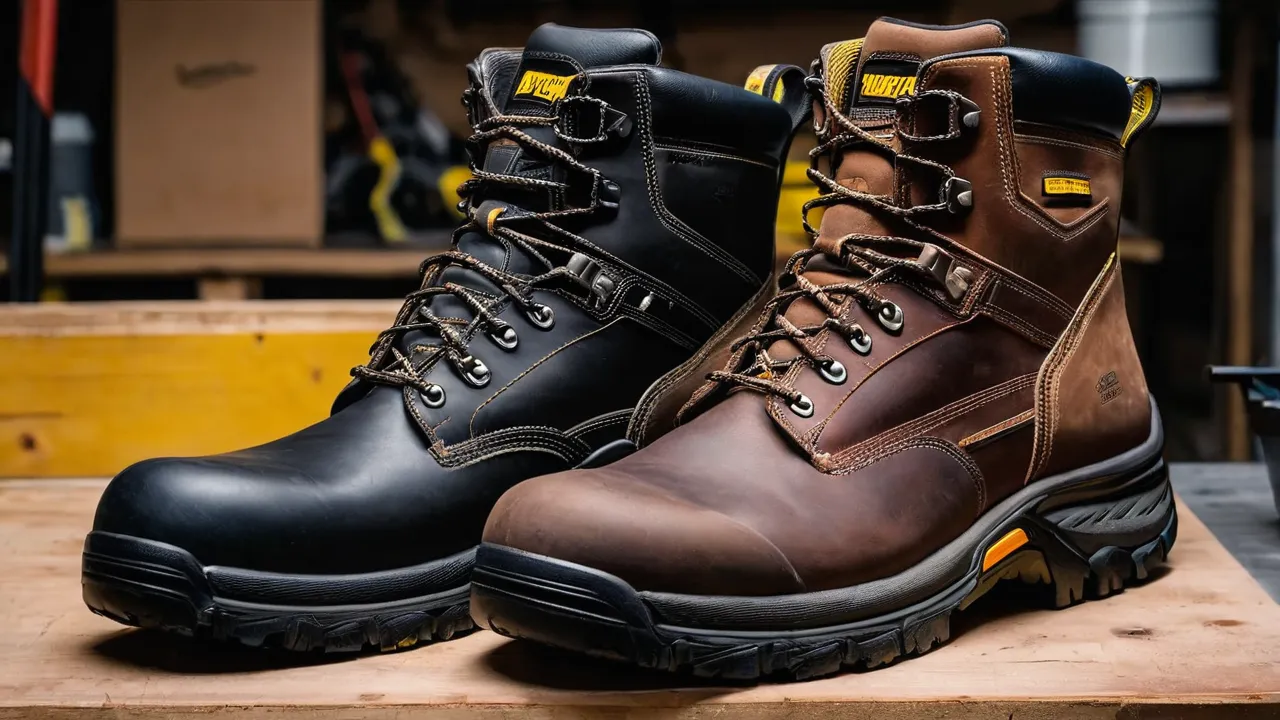
Work boot sole types fall into three common families: Vibram branded rubber, other rubber compounds and polyurethane. Rubber soles generally grip better and tolerate rough ground. Polyurethane soles are lighter and resist oils and abrasion. Vibram is a brand that makes many different soles, not a single material. Match the sole to your surface, oil exposure, heat and resoling plans.
Why the sole decides how a boot behaves
The outsole is the part of the boot that meets the ground, so it controls grip, wear and how the boot feels underfoot. It also decides whether you can resole the boot, how it handles heat and chemicals, and how much weight you carry. Two boots with the same upper can behave very differently with different soles.
Check the sole description on the product page for the material, the tread, and whether it is rated for slip resistance, oil or heat. Where the page is vague, treat the claim cautiously and ask the maker.
Rubber soles
Rubber soles use natural or synthetic rubber in a range of compounds. Soft compounds grip well on smooth and wet surfaces, and harder compounds last longer on abrasive ground. Rubber tends to be flexible, supports deep lugs and is available in many tread patterns.
Strengths: good traction on a wide range of surfaces, often good on wet floors, handles uneven terrain, and many options exist. Weaknesses: heavier than polyurethane, can wear faster in soft compounds, and some compounds degrade with exposure to oils or solvents unless formulated for them.
Heat warning: some rubber compounds can soften on hot surfaces, such as fresh asphalt or hot metal, and may be damaged by sustained contact. If you work around heat, check the maker’s guidance for the sole’s heat tolerance, and ask whether a heat resistant compound is available.
Vibram: a brand, not a material
Vibram is a company that makes outsoles for many boot brands. Its soles come in many compounds and designs, from hard wearing lugs to slip resistant work patterns. A Vibram label tells you who made the sole, not which compound or tread it uses.
What to check: the specific model or compound name, whether it is designed for work, oil or slip resistance, and whether it can be replaced or resoled. Some Vibram soles are designed for replacement, which helps if you plan to resole. A branded sole does not guarantee a better boot, but it often signals that the maker chose a known design. Read the product details rather than relying on the name alone.
Polyurethane soles
Polyurethane, often shortened to PU, is a lightweight, cushioned material that can be molded directly onto the boot or used as a midsole. It tends to resist abrasion and oils well and does not break down in the same way as some rubbers.
Strengths: lighter weight, good cushioning, resistance to many oils and chemicals, and long wear on smooth floors. Weaknesses: traction on wet or slippery surfaces can be weaker than rubber unless the tread is designed for it, it can stiffen in the cold, and it may break down over time through a process called hydrolysis, especially if boots sit unused in damp storage. Repair options are more limited, and many direct attach PU soles cannot be replaced.
Matching sole to surface and hazards
| Condition | What to look for |
|---|---|
| Oily or greasy floors | Oil resistant, slip resistant outsole designed for it |
| Wet, smooth floors | Soft rubber or a tread designed for wet traction |
| Gravel, mud, uneven ground | Deeper lugs in durable rubber |
| Concrete all day | Cushioned PU midsole with a durable outsole |
| Hot surfaces, asphalt | Heat resistant compound; confirm with the maker |
| Cold weather | A compound that stays flexible in the cold |
| Chemicals or solvents | A sole rated for the chemical, confirmed by the maker |
For safety, check workplace rules. Some sites require slip resistant soles or specific markings, and your employer or safety officer decides which ones apply. This guide is general information. Some rubber compounds can soften on hot surfaces, so check the maker guidance for heat exposure work, and follow the manual.
Reading a sole spec on a product page
Product pages use short phrases that are easy to misread. “Slip resistant” describes a design goal and may or may not point to a standard, so look for a named rating or a statement of the surfaces it was designed for. “Oil resistant” usually means the compound resists swelling or softening when exposed to certain oils, but it does not say which oils or how long. “Non marking” means the sole will not leave streaks on floors, which matters in kitchens and gyms, not in factories. “Lightweight” often means PU or a foam midsole, and it tells you nothing about grip. If a page lists only a trade name for the sole, search the sole maker’s site for that name and read what it says about use cases. If the answer is unclear, ask the seller or maker in writing, and keep the reply with your receipt.
Weight matters over a shift. A heavier rubber sole adds fatigue, especially in tall boots. A lighter PU sole reduces weight but may need replacing sooner if your floor is rough. Midsole cushioning, which may be PU, EVA foam or cork, is a separate layer from the outsole, and many boots combine a PU midsole with a rubber outsole to get the benefits of both.
Stiffness is another variable. A firm sole and shank resist flexing under the arch, which helps on ladders and when standing on narrow supports, but feels stiff on long walks. A flexible sole feels natural on flat ground but offers less support on rungs. Think about the part of your day when your feet hurt most, and choose the sole to relieve that moment.
Worked examples
A roofer works on hot decking and walks on gravel and shingle. Heat tolerance and lug depth matter most, so a rubber outsole with a stated heat resistant compound and a defined heel fits, and a molded PU sole would be a poor match if the maker does not state a heat limit.
A line cook stands on a greasy tile floor. Oil resistance and slip resistance on wet tile matter, and a soft rubber or oil resistant compound with a tread designed for liquids fits. Weight matters less than traction, and the owner should replace the boots when the tread flattens.
A warehouse worker stands on dry concrete for ten hours. Cushioning and weight matter most, so a PU midsole with a durable rubber outsole is a common combination. Resoling is secondary, since the boots are replaced on a schedule.
A lineman or utility worker climbs and walks on mixed ground and wants to resole. A welted boot with a replaceable Vibram or similar rubber sole fits, and the worker should confirm which replacement soles the maker or cobbler can supply and whether markings survive.
Each case begins with the surface and the hazard, and the sole follows from them, not from the brand name.
Resoling and construction
Sole choice affects repair. Welted boots, where the sole is stitched to a welt, can usually take a new sole from a maker or cobbler. Cemented soles are glued and are harder to replace. PU soles molded directly to the upper are often not replaceable. If you want to resole, ask which sole options the maker supports and whether the replacement keeps the original ratings. Our guide to work boots covers construction in more detail, and our buying guides cover resoling decisions.
Wear, care and replacing
Check the tread regularly. When lugs wear flat or the heel slants, traction drops and so does support. Clean grit and debris from the tread, store boots in a dry place, and avoid leaving them on hot surfaces or in a hot car. Replace or resole before the tread is gone, since worn soles raise slip risk. Soles that have cracked, separated or hardened should be replaced.
Who should choose which
Choose rubber if you work on wet, uneven or varied surfaces and want traction. Choose PU if you stand on concrete all day, want lighter weight, and your floors are dry or oily but not slick. Choose a Vibram sole if you want a known design and plan to resole, and confirm the model. Skip soft rubber for heavy heat exposure unless the maker confirms its heat rating. Skip direct attach PU if you want to resole. For how we weigh sole claims, see our review approach.
Frequently Asked Questions
Is Vibram a type of rubber?
Vibram is a brand that makes many outsoles, mostly rubber compounds, in many designs. The name tells you who made the sole, not which compound, tread or rating it has. Check the specific model and what the maker says about work use, oil or slip resistance.
Are polyurethane soles better than rubber?
Not always. PU is lighter, cushioned and resists oils and abrasion, but it can be less grippy on wet floors, stiffen in cold and break down in damp storage. Rubber grips more broadly but is heavier. Choose by surface, weight and whether you want to resole.
Can I resole boots with polyurethane soles?
Often not if the sole is molded directly to the upper. Some PU midsole constructions can be rebuilt, but many cannot. Ask the maker about replacement options before you buy if resoling is part of your plan, and get the answer in writing.
Do rubber soles melt on hot surfaces?
Some rubber compounds soften on hot surfaces such as fresh asphalt or hot metal, and sustained contact can damage them. If you work around heat, check the maker’s guidance, follow the manual and ask whether a heat resistant compound is available.
Final Thoughts
Pick the sole for the floor you actually work on, check heat and oil limits with the maker, and decide up front whether you want to resole. A brand name like Vibram identifies the maker, not the compound, so read the model details before you pay.
Related buying guides
- Waterproof Work Boots: Membrane vs Leather Treatment
- Wedge vs Heeled Work Boots: Sole Shape and Your Back
- Goodyear Welt vs Blake Stitch vs Stitchdown Boots
About the author

The BuyOnceChoice Editorial Team researches durable products worth buying once. Our guides compare published specifications, warranty terms, expert review consensus, and verified owner feedback. We do not conduct our own product trials. See How We Review and our Editorial Policy for our standards.