Goodyear Welt vs Blake Stitch vs Stitchdown Boots
Three ways to join a boot upper to its sole decide how it handles water, how often a cobbler can rebuild it, and how it feels on day one. Here is the breakdown.
 By BuyOnceChoice Editorial Team
Updated November 16, 2026
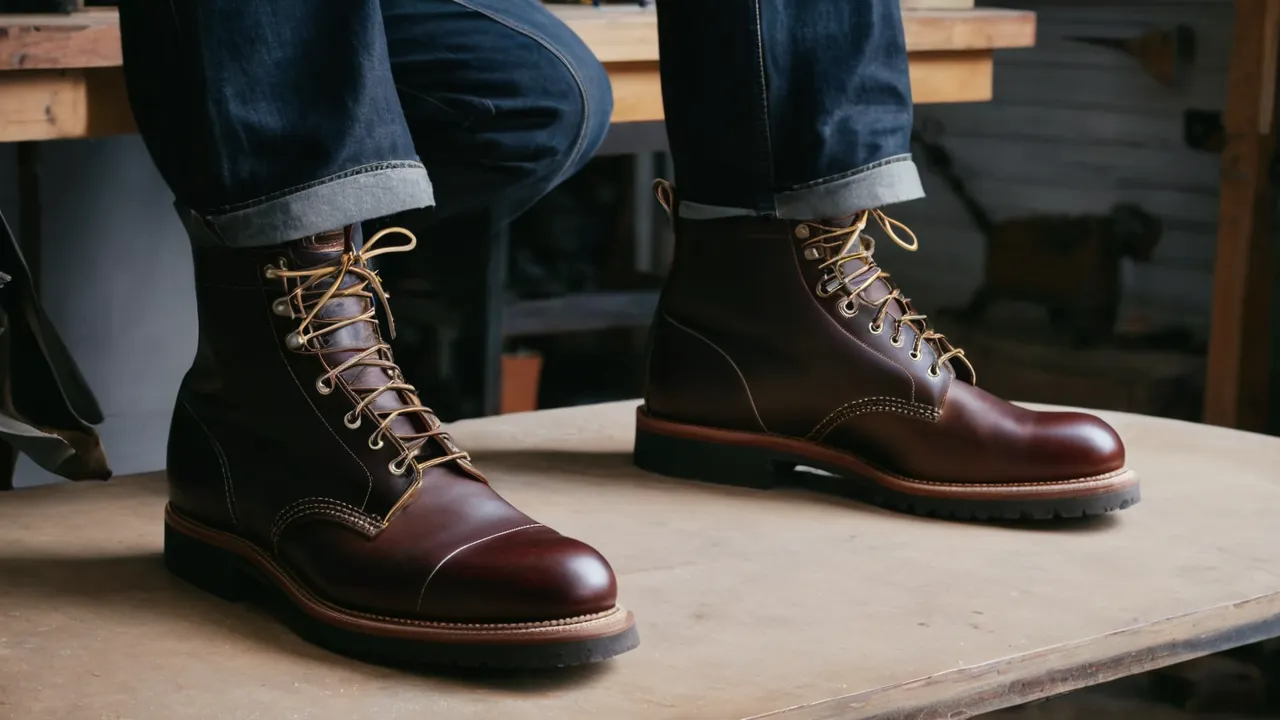
Welt vs Blake stitch vs stitchdown comes down to repair, weight and water. Goodyear welt is the safest default for most work boots because a cobbler can replace the sole many times. Blake stitch gives a closer, lighter fit but offers fewer repair options. Stitchdown can keep water away from the foot better when the seams are sealed. Which one suits you depends on how wet your site is and how close your nearest cobbler is. This guide skips the dress shoe talk and looks at construction the way a tradesperson, farmer or warehouse worker would.
What the sole attachment actually does
Every boot has the same basic problem: a flexible leather or synthetic upper has to be joined to a thick, abrasive sole that will wear out long before the upper does. The method of joining decides three practical things. First, where water can enter, because every stitch hole is a potential path. Second, how much of the boot can be rebuilt, because a sole that is glued only cannot be removed cleanly. Third, how the boot flexes, because stitching through several layers changes stiffness.
Construction matters across the whole clothing and footwear section, and the same logic applies to cold weather footwear in our winter boots guides. Construction is separate from the safety toe, the shank and the outsole compound. A welted boot can have a composite toe, and a Blake stitched boot can have a steel toe. Treat construction as the frame of the boot and the other parts as components bolted onto it. If you are still sorting out the rest of the spec, the work boots category lays out the main choices side by side.
Goodyear welt: the repair friendly standard
In a Goodyear welt, a narrow strip of leather or synthetic material called the welt is stitched to the upper and to a rib on the insole. The outsole is then stitched, or cemented and stitched, to the welt. Because the outsole is attached to the welt and not to the upper itself, a cobbler can cut the outsole stitching, remove the old sole and attach a new one without disturbing the upper or the insole.
That is why welted boots are the usual answer when the goal is buying once. The sole is the part that wears out, and the welt design treats it as a replaceable item. A welted boot with a sound upper can often go through several soles, though the number depends on how the boots are used and the cobbler doing the work.
The trade-offs are real. Welted boots tend to be heavier and stiffer at first, with a longer break-in period. There is also a gap between the insole and the outsole, normally filled with cork or a similar material, that can compress over time. Water can wick along the welt stitching in persistent wet conditions unless the seam is sealed or the leather is kept treated.
Blake stitch: closer to the ground and lighter
A Blake stitch runs one line of stitching straight through the outsole, the upper and the insole. There is no welt and no cork filler, so the boot sits lower and tends to feel more flexible. Fewer layers also mean a slimmer profile, which some wearers prefer for driving, ladder work or tight spaces.
The weakness shows up in the wet and at resole time. The stitch passes through the interior of the boot, so the stitching can contact the insole and, in some builds, the foot side. Moisture entering through a worn sole has a shorter path inward. Resoling is possible, but the same stitch channel is reused, which limits how many times the work can be repeated, and not every cobbler offers it.
Blake construction is more common in dress and lighter duty footwear. Where it appears in work footwear, treat it as a choice for dry indoor trades or light use, not for sites with standing water.
Stitchdown: the water minded option
In stitchdown construction, the upper is flared outward and stitched directly to the midsole, with the stitching visible around the perimeter. There is no welt strip. The result is a wide, stable platform with a continuous line of stitching sitting outside the foot cavity, which can keep the interior path for water longer and more protected.
Stitchdown boots are associated with farm, ranch and rugged outdoor use for that reason. They tend to be wider through the forefoot and heavier, and the flared edge can catch on obstacles. Repair options exist, but fewer shops handle them, so check availability before you commit to the style.
One practical note on all three methods: manufacturers sometimes label a boot as stitched when the sole is mainly cemented with decorative stitching added. Look for a clear statement of the construction in the product description, and when it is missing, treat the boot as a cemented build.
Side by side: water, repair and weight
| Factor | Goodyear welt | Blake stitch | Stitchdown |
|---|---|---|---|
| Water entry | Moderate, seam can wick | Higher, stitch reaches interior | Lower, seam sits outside the foot cavity |
| Resole options | Widest, many cobblers | Limited, specialist shops | Limited, but straightforward when available |
| Break in | Longest | Shortest | Long |
| Weight | Heavier | Lighter | Heavier |
| Profile | Standard | Low and close | Wide and stable |
Read the table as tendencies, not guarantees. Sealed seams and sound tongue design matter as much as the join itself. Leather quality, seam sealing, tongue design and your own care routine will move a boot in either direction. A well maintained welted boot will outlast a neglected stitchdown, and the reverse is true too.
Which construction suits which worker
Choose Goodyear welt if
You want a boot that can be rebuilt, you have a cobbler within reasonable reach, and your work mixes wet and dry conditions. This is the safest pick for general construction, utility, warehouse and trades work.
Choose stitchdown if
You work in mud, irrigation, livestock or wet grass for much of the day and you value a stable platform more than light weight. Ask the seller how the boot is resoled before you buy.
Choose Blake stitch if
You work mostly indoors on dry floors, you value flexibility and low weight, and you accept that the boot may have fewer resole cycles. Confirm that a local or mail in cobbler will actually handle Blake work.
Skip all three if
Your site involves chemicals, standing water or washdown. In that case a molded rubber or fully sealed boot is a better fit, as covered in our comparison of rubber versus leather boots for wet jobs.
Questions to ask before you buy
- Is the sole stitched, cemented, or both, and is the stitching structural or decorative?
- Can the manufacturer or a named service resole it, and what is the turnaround?
- Is the tongue gusseted to keep debris and water out of the eyelet area?
- Does a resole affect the safety rating? Ask the maker for a written answer.
- Is there a local cobbler who already works on this style?
A resole can change how a boot behaves under a safety standard, so it is worth reading the manufacturer’s guidance. For the broader picture of how we judge construction claims, see how we review.
A worked example
Imagine three workers. A utility technician works outside in all weather, climbs poles and wants one pair to last. A welted boot with a gusseted tongue and a nearby cobbler fits, and the technician plans a resole when the heel slants. A cattle rancher works in mud and irrigation water daily. A stitchdown boot with treated leather suits the water, and the rancher confirms where the boots can be resoled before buying. A fabricator works indoors on a dry shop floor and wants a light, flexible boot. A Blake stitched boot may suit, and the fabricator accepts that resole options are limited and replaces the boots when the sole wears.
Frequently Asked Questions
Which boot construction is best for work boots?
Goodyear welt is the safest default for most work boots because the sole can be replaced many times. Stitchdown suits wet outdoor trades, and Blake stitch suits dry, light duty work. Choose by where you work and whether a cobbler near you handles the style.
Is Blake stitch good for work boots?
It can be, for dry indoor trades where flexibility and low weight matter. The stitch passes through the interior, so water has a shorter path in, and resoling is more limited. For wet or heavy work, welt or stitchdown is usually better.
Are stitchdown boots waterproof?
Not by themselves. The stitching sits outside the foot cavity, which can help keep water away from the interior, but waterproofing depends on sealed seams, the tongue and the leather treatment. Check how the maker describes the boot, and look for sealed seams and a gusseted tongue.
Can all welted boots be resoled?
Most can, but the number of resoles depends on the welt, the upper and the cobbler. Some cemented boots are labeled as stitched, so check that the stitching is structural. Ask the maker or a cobbler about resoling before you buy.
Final Thoughts
Goodyear welt wins on repairability, stitchdown wins on keeping water away from the foot, and Blake stitch wins on lightness and flexibility. For most buyers who plan to keep a pair for a long time, welt is the sensible default, with stitchdown as the specialist upgrade for wet outdoor trades. Make the decision on where you work and who can repair the boot, not on the label alone.
Related buying guides
- When to Resole Work Boots and When to Replace Them
- Wide Feet and Work Boots: Width Sizing Explained
- Women’s vs Men’s Work Boots: Sizing and Last Differences
About the author

The BuyOnceChoice Editorial Team researches durable products worth buying once. Our guides compare published specifications, warranty terms, expert review consensus, and verified owner feedback. We do not conduct our own product trials. See How We Review and our Editorial Policy for our standards.