Steel Toe Boots Too Tight? Fit Fixes That Work
A steel cap holds its shape, so only some tightness can be fixed. Sort out what is cap, what is leather and when a different size or last is the answer.
 By BuyOnceChoice Editorial Team
Updated November 16, 2026
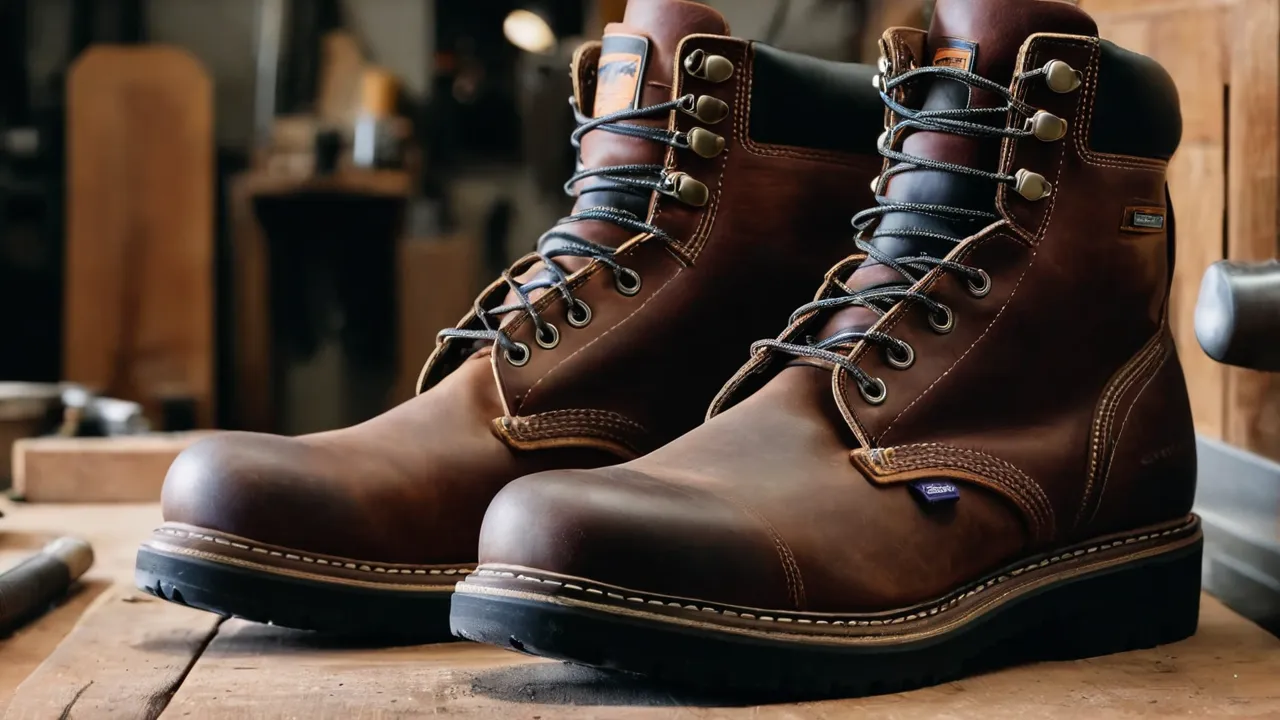
Steel toe boots that feel too tight can sometimes be eased at the leather around the ball and instep, using lacing changes, thinner socks or a professional stretch. The steel cap itself cannot stretch, so if the cap squeezes your toes or touches them, the fix is a longer size or a different last. Know exactly where the pressure is before you try anything.
Find out where the tightness is
Put the boots on with your work socks and stand. Note where you feel pressure. Pressure on the tips of the toes means the boot is too short or the cap sits too low. Pressure across the ball of the foot or on the sides of the little toe may come from a narrow forefoot, and some of that is the leather, which can give a little. Pressure on top of the foot points to the instep, tongue or laces.
Each area has a different fix. The cap area has none, apart from changing boots. The leather areas have several options. Spending a few minutes on this check prevents wasted effort on a stretch that cannot work.
A number based check
Stand on a flat floor with your weight evenly on both feet. Press down on the front of the boot and find the end of your longest toe. You want about a thumb’s width, roughly half an inch, between the toe and the front of the cap. Less than that means the boot is too short for you. More than about three quarters of an inch can mean the boot is too long and your heel will slip.
Next, walk down a ramp or a few stairs. Your toes should not touch the cap. Then check the widest part of your foot against the widest part of the boot. If the side of your foot bulges over the sole edge, the boot is too narrow, and the leather behind the cap may help, but only a little.
What the cap can and cannot do
A steel or composite cap is a rigid shell shaped at the factory. It does not stretch, and trying to hammer or heat it can damage the boot and its safety rating. A cap sets the length and height of the toe box. If your toes brush the cap when you walk downhill, the boot is too short for you.
Width is partly cap and partly leather. The cap has a fixed width at the front. The leather panels behind it may stretch slightly, which can relieve pressure at the ball of the foot but not at the very front. Our safety toe versus soft toe guide explains cap shapes and ratings.
Fixes that can work
- Lace differently: skip eyelets over a tight instep, or use a window lacing pattern.
- Switch to thinner or flatter socks while you break in the boot.
- Replace a thick insole with a thinner one, which frees volume above the foot.
- Wear the boots indoors for short periods to let leather flex.
- Have a cobbler stretch the leather at the ball and sides with a controlled stretcher.
- Try a wider width of the same model.
A cobbler can often widen leather panels by a small amount, but the amount depends on the leather and construction. Synthetic panels and heavily lined boots stretch less. Ask for an honest assessment before paying.
How a cobbler stretches leather
A cobbler uses a stretcher, a metal or wooden tool that expands inside the boot with a controlled screw. Sometimes a stretching liquid is applied to relax the leather first. The cobbler targets the problem area, such as the ball or the side of the little toe, using small adjustments. Thick, stiff leather and boots with heavy linings stretch less. Some safety boots limit what can be done near the cap line. A good cobbler will tell you what is realistic and may decline the job if the boot is not suited to it.
Allow a day or two for the leather to settle, then wear the boots with your work socks to check the result. Do not push the leather beyond its limit, since overstretched leather can crack or lose shape.
Socks and insoles in a tight boot
Thin, flat socks give you room and still wick moisture. Merino blends in light weight are a good choice. A thick sock that feels fine in a roomy shoe can make a safety toe boot unwearable. The insole also takes volume. A thin, flat insole frees headroom, while a thick, cushioned one can push the toes up into the cap. Fit the boot with the combination you plan to wear.
Fixes that do not work or cause harm
Soaking the boots, using heat guns and hair dryers, freezing water in bags inside the boots and pounding the cap are common internet suggestions. They can crack leather, weaken glue and distort the cap, and they do not change the cap size. A damaged cap can reduce the boot’s protection, so avoid anything that modifies it.
Do not cut or drill the cap or the boot to relieve pressure. Treat rated footwear as a safety device and follow the manual. If you need a different fit, change the boot, and ask your employer or safety officer if you are unsure which markings you need to keep.
When to change size or last
If your toes touch the cap, if the pressure is at the tip, if the boot pinches after a week of careful wear or if you have numbness or pain, change the boot. Try a half size longer, a wider width or a brand whose last suits your foot. Composite caps often have more volume, so some people find them roomier than steel. Return policies matter, so keep the boots in clean condition for the return window.
Reading the signs of a size problem
- Your toes touch the cap when you walk down a ramp.
- Your toenails feel pressure or bruise after a shift.
- You feel numbness or tingling in the toes.
- The cap line digs into the top of the foot when you flex.
- The boot flexes in front of the ball of your foot.
- Your foot slides forward in the boot on slopes.
These signs point to length or last problems, not stiff leather. Break-in will not fix them.
Planning the next purchase
Once you know what went wrong, note it for next time. Record the size, width, brand and the area that pinched. Measure your foot late in the day with the socks you wear at work, and check each brand’s size chart, since lasts differ. If the return policy allows, order two sizes and keep the one that fits.
A short routine at purchase saves money. Try the boots on in the afternoon, lace them as you would for work, stand on a slope or ramp, and walk for a few minutes. If you feel pressure at the toe tips, reject the boot. If you feel pressure only across the leather at the ball, ask whether a wider width exists before you consider a stretch. Keep the box and the tags until you have worn the boots indoors for a day, and photograph the label inside the boot so you can match it to the requirement your employer gave you.
Remember too that feet change. Swelling after long shifts, weight changes and age can alter the fit, so a boot that fit last year may need a new size this year. Measure again each time you buy.
Decision rules
- Tight at the ball with room at the tip: try lacing changes and a cobbler stretch.
- Toes touch the cap: size up in length.
- Wide foot: look for a wide width or a roomier cap shape.
- Tight instep: change lacing, tongue padding and insole.
- Persistent pain: see a clinician.
- Safety rating required: avoid any modification to the cap.
See the clothing and footwear section and how we review for related guidance.
Frequently Asked Questions
Can you stretch steel toe boots?
You can sometimes ease the leather around the ball and sides, but not the steel cap. A cobbler can use a controlled stretcher, and lacing and sock changes help. If the cap squeezes your toes or touches them, the boot is the wrong size or last.
Will steel toe boots loosen up with wear?
The leather behind the cap often softens over a couple of weeks, which can relieve pressure at the ball and instep. The cap does not change. Pain at the toe tips, numbness or toes touching the cap after a week signals a fit problem.
What is the quickest fix for tight steel toe boots?
Start with thinner socks, a thinner insole and lacing changes, since they cost nothing. If pressure is at the ball or sides, a cobbler stretch may help. If it is at the toe tip, go up half a size or try a different last.
Are composite toe boots roomier than steel toe boots?
Often, because composite caps can be taller and rounder, which gives more headroom for some feet. Cap shape varies by model, so compare the toe box and check the rating label. Try boots with your work socks on, and keep the return window open.
Final Thoughts
A cap cannot stretch, but the leather around it sometimes can. Find where the pressure is, try the safe fixes and know when to stop. If the cap squeezes your toes, a different size or last is the real answer, and it protects both your feet and the boot’s rating.
Related buying guides
- Steel Toe vs Composite Toe vs Alloy Toe Boots
- Vibram vs Rubber vs Polyurethane Work Boot Soles
- Waterproof Work Boots: Membrane vs Leather Treatment
About the author

The BuyOnceChoice Editorial Team researches durable products worth buying once. Our guides compare published specifications, warranty terms, expert review consensus, and verified owner feedback. We do not conduct our own product trials. See How We Review and our Editorial Policy for our standards.