Speaker Break In: What It Does and Does Not Do
Some suspensions loosen slightly with use, but dramatic changes are often your ears adapting. Follow the manual and judge over time without fixed hour counts.
 By BuyOnceChoice Editorial Team
Updated November 16, 2026
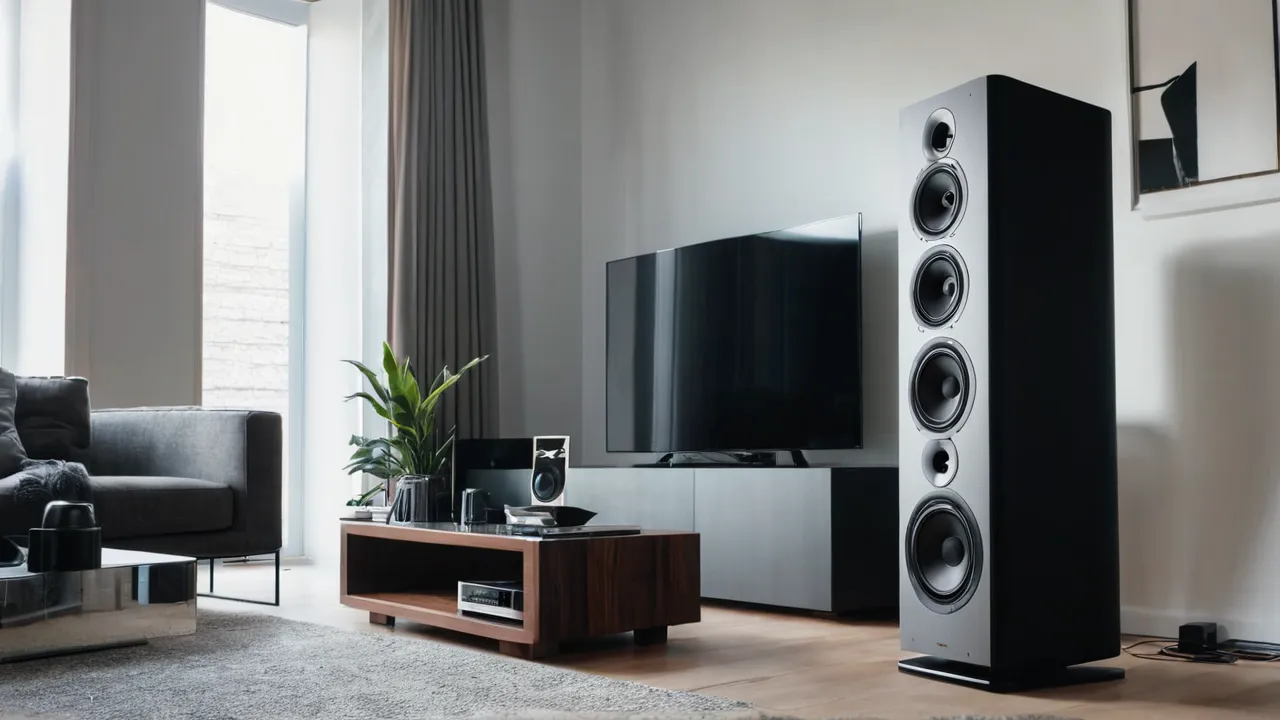
Speaker break in is the idea that new speakers sound different after a period of use, because the driver suspension loosens. Some change is physically plausible and small, while much of what owners report comes from changed listening habits and placement. Play new speakers at moderate volume for the first days, judge them over weeks, and ignore claims of dramatic transformation.
What people mean by break in
The term covers a few separate claims. One is that the moving parts of a driver, the cone surround and the spider that holds it in place, are stiff when new and relax with use. Another is that the sound improves a lot over many hours. A third is that you must run special signals through the speakers to speed this up.
These claims differ in strength, and mixing them causes most of the arguments online. The first has a physical basis, the second varies from speaker to speaker and from listener to listener, and the third has little support in manuals. Treat them separately.
What manufacturers say
Makers do not agree. Some manuals say nothing about break in. Some recommend a period of ordinary use at moderate volume before you judge the sound. A few mention a figure in hours, and that figure differs by brand and model. Read the manual that came with your speakers and follow it, since that is the one source with direct knowledge of the product.
If the manual says to avoid high volume in the first period, follow that for a different reason: new drivers and crossovers have not shown their limits, and loud passages in the first hour are an unnecessary risk. Do not rely on a number from a forum thread when the manual says something else.
What is physically plausible
Driver suspensions are made from materials such as foam, rubber or cloth. These can be a little stiff at first and become more compliant after being flexed. That can shift the resonant frequency of the driver by a small amount, which affects bass behavior slightly. The change is greater for some designs than others, and it levels off as the material settles.
The effect is generally small compared with the differences between speakers, and it is usually most noticeable in the low frequencies of a woofer. Tweeters and crossovers are less often cited as changing, and electronic parts in the crossover do not need a long period to settle, though conclusions differ among designers. If you hear a difference, it is more likely a gradual change in bass than a transformation of the whole sound.
What is perception
Human hearing adapts. When you first put new speakers in a room, you compare them against what you remember from the old ones, and you listen with more attention than usual. After a few weeks, you stop comparing and start enjoying. The speakers feel more natural because you adjusted, not only because they did.
Other factors also change in the same period. You move the speakers a few inches. You adjust the room, fix the toe in, change the sub level, or rerun room correction. You listen at a different volume. Any of these can change the sound as much as the speaker itself.
Expectation also plays a part. If you believe the speakers will improve, you will hear improvement. Reviewers and owners are not immune, and this is why claims of a dramatic transformation call for caution.
Break in mistakes and how to fix them
Mistake 1: Running noise for a set number of hours
Many owners play white noise or pink noise for days to speed things up. Manuals rarely call for it, and long runs at high level stress drivers and amplifiers. The fix is ordinary listening at moderate volume.
Mistake 2: Expecting break in to rescue a poor match
Break in does not turn a speaker you dislike into one you love. If the tone, size or style does not suit your room, a few weeks will not change that. The fix is to decide inside the return window and compare against your own music.
Mistake 3: Treating one number of hours as universal
Designs differ, and any change levels off at different points. A figure from a forum thread is not a rule. The fix is to read your own manual and, if it gives no figure, to judge by weeks of normal use.
Mistake 4: Believing cables and electronics need long burn in
Claims that cables or amplifiers need hundreds of hours lack support in manuals. The fix is to confirm the connections, use sensible wire and spend the money on placement and room setup.
Mistake 5: Changing several things at once
Moving the speaker, changing the volume and rerunning room correction all alter the sound. Then you credit break in for the result. The fix is to change one setting at a time and keep brief notes. If a seller suggests that a speaker only sounds right after a precise run time, ask which part changes and by how much, and treat vague answers with skepticism. Our How We Review page explains why we do not publish break in claims.
A sensible approach
Use a short checklist and do not overthink it.
1. Read the manual for any break in advice.
2. Set the speakers up properly: placement, distance from walls, toe in, crossover and levels.
3. Play normal music and movies at moderate volume for the first days.
4. Judge the sound in the same seat with the same music over several weeks.
5. Change one setting at a time, so that you know what caused any difference.
6. Use the return window to decide, not break in speculation.
If the speakers sound wrong on the first day, a long wait rarely fixes a fundamental mismatch, but placement and settings often do.
If a speaker still sounds wrong after weeks
Check placement before you blame the speaker. Move it away from the wall, try a different toe in, and confirm that the crossover and subwoofer level are sensible. Listen to the same track in another position. If one speaker of a pair sounds different from the other, check the wiring, polarity and the balance setting. If everything is right and one speaker still sounds off, contact the seller about a defect.
Used speakers
Used speakers are already broken in, so you will not need to wait. Inspect them for old foam surrounds, which can crumble over the years, and for cone damage, loose terminals and a dull or crackling tweeter. Ask the seller about the age of the speakers and whether any repair was made. Old foam can often be replaced by a technician.
Who should care
If you are a casual listener, break in is not worth worrying about. If you are a careful listener comparing two pairs, plan your comparison with placement and time in mind, and keep notes. If you plan to return the speakers, make the decision inside the window.
Digital and amplified products are different
Powered speakers, soundbars and wireless speakers include electronics and drivers that follow similar logic, but the system is tuned as a whole by the maker. Software settings and firmware updates change the sound more than any amount of use. Check for updates, and check the manual before you set levels.
A fair way to compare early and later impressions
Pick two or three tracks you know well and write a few lines about what you hear on day one. Repeat the same listening after a few weeks, with the speakers in the same place and at the same volume. If you notice no difference, the effect is small. If you notice a change, you have a record rather than a memory, and you can decide whether it matters.
Where break in meets return windows
Return windows are limited, and break in talk can push buyers to keep speakers they dislike. Decide with the speaker in your own room, using your own music, in the time you have. A speaker that does not suit your taste on day one often will not suit it later. Check the return policy for restocking and shipping costs before you buy.
Protecting the speakers in the early period
Keep the volume moderate, avoid clipping and make sure the receiver is not distorting. Do not use the first days to find the loudest level the speaker can take. This protects the driver and the crossover while you learn how the speaker behaves. Check home theater speakers for guidance on matching power, and see our AV receivers category for models that suit your speakers.
Frequently Asked Questions
Do speakers need to be broken in?
Not in any way that you have to manage. Driver suspensions may loosen a little with use, and the change is generally small. Play new speakers at moderate volume, judge them over a few weeks, and follow the manual if it gives advice. Do not rely on special noise tracks.
How long does speaker break in take?
There is no universal figure. Some manuals mention a period of use and many say nothing. Any change is usually small and levels off. Treat a number you read online with caution, and use the maker’s guidance for your model. A few weeks of normal listening is a sensible time to form an opinion.
Can I break in speakers with white noise?
You can, but you do not need to, and the risk is not zero. Long runs at high volume can stress drivers and amplifiers, and there is no strong support for the practice in manuals. Normal listening at moderate volume achieves what is plausible, with less chance of harm.
Does break in matter for a soundbar or powered speaker?
Much less. The maker tunes the whole system with electronics and software, so firmware settings affect the sound more than use does. Check for updates, adjust the sound modes, and judge the product with the settings you will actually use.
Final Thoughts
Break in has a small physical basis and a large perception effect. Follow the manual, keep the volume moderate at first, and judge speakers over weeks in the same seat. Use the return window to decide, and set aside claims of dramatic change. Good placement and settings do more than any break in routine.
Related buying guides
- Speaker Size by Room Size: A Sizing Guide
- Spikes, Isolation Pads and Decoupling: Do They Help?
- Speaker Stand Height and Weight Guide
About the author

The BuyOnceChoice Editorial Team researches durable products worth buying once. Our guides compare published specifications, warranty terms, expert review consensus, and verified owner feedback. We do not conduct our own product trials. See How We Review and our Editorial Policy for our standards.