Speaker Warranty and Parts Support: Buy Once Checklist
A long warranty means little without parts and service. Check what is covered, who can fix it, whether it transfers, and how drivers are replaced.
 By BuyOnceChoice Editorial Team
Updated November 16, 2026
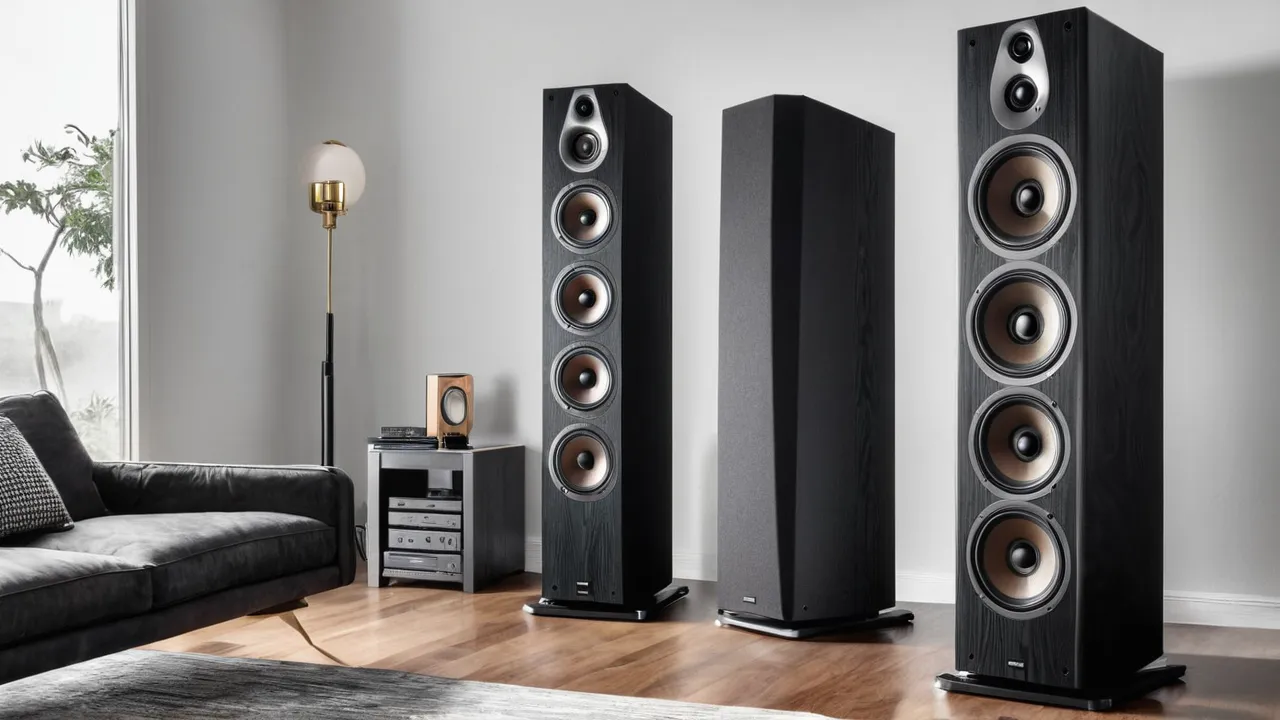
A speaker warranty is the maker’s written commitment to repair or replace a product within a stated period if it fails from a defect. Before you buy, check the length and start date, what is covered, whether it transfers to a second owner, whether replacement drivers exist, and how service works. This checklist walks through each item.
Why the warranty is not the whole story
A long warranty looks reassuring, yet the paper alone does not tell you how a claim will go. Two brands with the same length can differ in what they cover, who pays shipping, how long repairs take and whether parts exist at all. A shorter warranty from a maker with a good service network can serve you better than a long one from a company that is hard to reach.
Speakers are simple products, so most failures come from a few places: a blown driver after clipping or overdrive, a damaged surround, a failed crossover part or a bad terminal. Powered speakers and subwoofers add amplifiers and power supplies, which fail more often than passive parts. Match your checks to the product you are buying.
Read the actual warranty document, not just the headline on a product page. Makers usually publish it on their support site. Terms differ by country and by seller, so confirm the version that applies to the US.
Checklist: length and start date
- How long does the warranty last for the whole speaker?
- Are drivers, crossovers and electronics covered for the same time, or does coverage differ by part?
- Does coverage start on the purchase date, the shipping date or the registration date?
- Do you need to register the product, and by when?
- Is the period shorter if the speaker is used in a commercial setting?
Keep in mind that periods differ by maker and by product line. Do not rely on a figure you saw for a different model.
Checklist: what is covered and excluded
Warranties cover defects in materials and workmanship. They usually exclude damage from misuse, such as running an underpowered amplifier into clipping, dropping the speaker, or exposing it to moisture. Look for exclusions that matter to you.
- Is damage from power overload excluded, and how do they define it?
- Are cosmetic issues, such as scratches or veneer chips, covered?
- Are outdoor or garage uses covered?
- Does opening or modifying the speaker void the coverage?
- Does the warranty cover labor and parts, or parts only?
- Who pays for shipping both ways?
If a term is unclear, ask the maker in writing and save the reply.
Checklist: transferability
Some warranties follow the original buyer, and others pass to a second owner. This matters when you resell the speakers or buy used. A transferable warranty adds resale value, since the next buyer inherits protection. If the warranty is for the original purchaser only, you may need the receipt or a registration in your name to make a claim.
Ask whether transfer needs a form, a fee or a notification to the maker. When buying used, ask the seller for proof of purchase and the original manual, which sometimes carry details needed for a claim.
Checklist: parts and driver replacement
A speaker is only repairable if parts exist. Check the following before you buy.
- Does the maker sell replacement drivers, crossovers or grilles, and for how long after the model ends?
- Are parts sold to owners, or only through authorized service centers?
- Can a local technician replace a driver, or must it return to the maker?
- Is the cabinet designed for service, with accessible screws, or sealed in a way that makes repair costly?
A blown tweeter or woofer is the most likely repair. If a driver is not available, a repair may mean replacing the whole speaker. Smaller makers sometimes stock drivers for a long time, and larger ones may drop parts when the model retires.
Checklist: service network and logistics
- Is there a US service address, or does a claim go overseas?
- Is there a phone or email contact with documented response times?
- Do you ship the speaker yourself, and does the maker supply a prepaid label?
- Is the original packaging required, and what happens if you discard it?
- Does the maker offer advance replacement, or must you wait for the repair?
- Does a local dealer handle claims, and is that dealer authorized?
Heavy speakers cost real money to ship, so ask who pays for freight and what the packing requirements are. Keep the box for the first few months at least, since many claims go smoother with it.
Powered speakers and subwoofers
Models with built in amplifiers have more parts that can fail, so look closely at the coverage of electronics. Ask whether the amplifier module is replaceable by the owner, and whether the maker stocks modules. Check the power requirements and use a surge protector as the manual states. Our AV receivers category covers separate amplification if you prefer passive speakers with a separate amplifier, which can make repairs simpler.
Keep records
Save the receipt, the serial number, the model name and a photo of the speaker. Register the product if the maker allows it. Store these in a folder or a cloud note. A claim goes faster when you can supply the purchase date and serial number in one message.
How to compare two brands
Write a short table with the length, covered parts, transferability, parts availability and service location for each brand. Give weight to the items that match your risk. If you play loud, overload exclusions matter. If you plan to resell, transferability matters. If you live far from a service center, shipping terms matter.
Who should care most
Buyers of expensive speakers, used speaker shoppers, buyers of powered models and anyone who plans to keep the speakers for many years benefit most from this checklist. If you buy an inexpensive pair that you will replace in a few years, a quick look at length and coverage is enough. For the speakers themselves, see our home theater speakers category, and read our How We Review page to see how we weigh support information.
Questions people forget to ask
- What happens if the model is discontinued before my speaker fails?
- Is a speaker bought from a third party seller covered by the maker?
- Does the warranty apply to a speaker I bought as open box or refurbished?
- Does damage from a power surge count, and is a surge protector required?
Typical failure points to keep in mind
Drivers blow when an amplifier clips at high volume. Foam surrounds on older speakers can rot with age. Binding posts loosen and strip. Crossover parts can drift or fail. Subwoofer amplifiers overheat when ventilation is blocked. Knowing these points helps you read the coverage and see which exclusions apply to you.
Retailer policies are separate from the maker
A retailer’s return window and extended plan are different from the maker’s warranty. A return window lets you send the speaker back for a refund in a short period. An extended plan, which costs extra, may cover accidental damage or add years. Compare what the plan covers with what the maker already covers before paying for it, and read the exclusions.
A short worked comparison
Imagine two floorstanding pairs. Brand A offers a longer warranty on paper, covers only the original owner, sells no replacement drivers and sends claims to an overseas address. Brand B offers a shorter period, transfers to a second owner, sells drivers to owners and has a US service contact with a prepaid shipping label. If you plan to keep the speakers for a decade and might resell them, Brand B is the safer choice despite the shorter number. If you plan to replace the pair in a few years and rarely play loud, either works. The comparison shows why the table of items matters more than a single figure.
What to do when a speaker fails
Stop using the speaker as soon as you hear buzzing, rattling or distortion, since continued use can damage the amplifier or other parts. Photograph the problem, note the date and gather your receipt and serial number. Contact the maker or seller using the route the warranty names, and describe the symptom clearly. Ask for a written claim number and keep every message. If the maker asks you to ship the speaker, pack it as they direct. Following the process exactly avoids delays that come from a missing form or a wrong address.
Frequently Asked Questions
How long is a typical speaker warranty?
It varies widely by maker and product, and some brands cover drivers and electronics for different periods. Check the document for your exact model, and confirm the US terms. Do not assume a figure from another model or another brand applies to the one you are buying.
Does a speaker warranty transfer to a second owner?
Some do and some do not. Check the written terms for transferability and any forms or fees. If you buy used, ask the seller for the receipt and manual, and ask the maker whether it will honor a claim for a second owner.
Does blowing a speaker void the warranty?
Often, damage from overdriving the speaker or running an amplifier into clipping is excluded, though some makers treat it case by case. Read the exclusion language, and avoid very high volume with an underpowered amplifier, which is a common cause of blown drivers.
Can I replace a speaker driver myself?
Sometimes, if the maker sells the driver and the cabinet is serviceable. Opening a speaker may void coverage, so ask first. For powered speakers, do not open the amplifier section, since it contains electrical parts that call for a qualified technician.
Final Thoughts
Read the warranty itself, then check length, coverage, transfer terms, parts and service logistics. Weigh the items that match how you use the speakers, and keep your records in one place. A clear warranty from a maker with parts and support is worth more than a long number with fine print.
Related buying guides
- Speaker Wire Gauge Chart: Match AWG to Run Length
- Speakers for a Turntable: What Else You Need
- Subwoofer Placement and Crossover Setup Checklist
About the author

The BuyOnceChoice Editorial Team researches durable products worth buying once. Our guides compare published specifications, warranty terms, expert review consensus, and verified owner feedback. We do not conduct our own product trials. See How We Review and our Editorial Policy for our standards.